
TL;DR

Get the latest gadgets delivered free with Prime
- Fast, free delivery on millions of items
- Prime Video, Amazon Music and more included
- Member-only deals all year
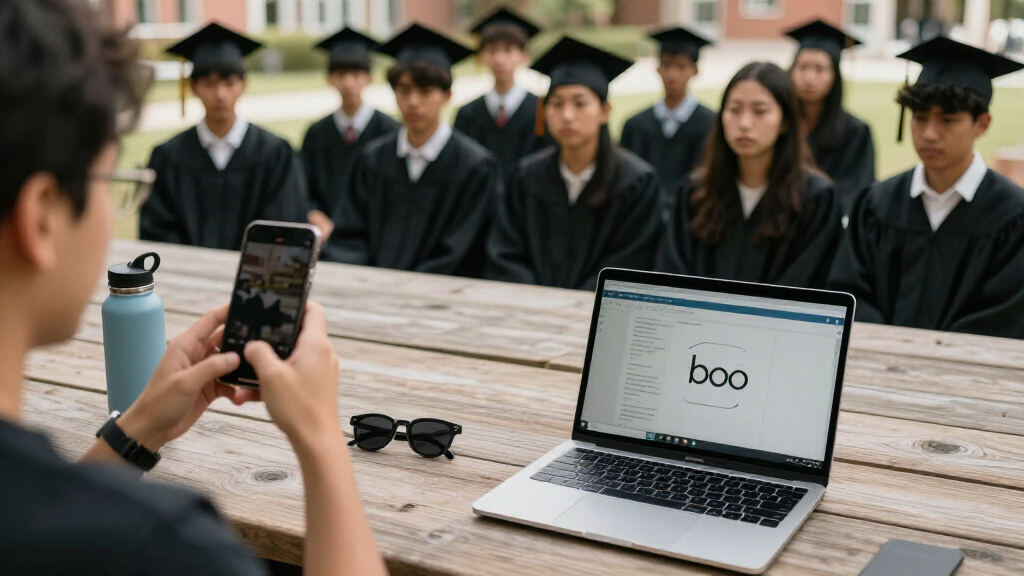
During recent commencement ceremonies across the U.S., students loudly booed speakers who praised artificial intelligence, signaling widespread apprehension about AI’s societal effects. The event highlights tensions between technological optimism and youth skepticism.
Students at several U.S. universities booed and jeered during commencement speeches that praised artificial intelligence, signaling widespread skepticism and concern among graduates about AI’s societal and economic impacts.
At the University of Arizona, former Google CEO Eric Schmidt faced a hostile reception when he spoke about AI’s influence, with students booing and shouting as he emphasized AI’s role in shaping the future. Schmidt acknowledged student fears, describing them as ‘rational,’ but maintained that AI will significantly influence the world and that graduates must guide its development. Similar scenes unfolded at the University of Central Florida and Middle Tennessee State University, where speakers including Gloria Caulfield and Scott Borchetta received jeers after praising AI as a transformative force. The opposition was characterized by loud boos and heckling, indicating a strong undercurrent of apprehension among the graduating classes about the rapid advances and societal implications of AI technology.
Why It Matters
This incident underscores a growing skepticism among young people regarding the promises and risks of artificial intelligence. As AI increasingly impacts jobs, education, and daily life, the rejection of positive speeches at commencements highlights a broader societal debate about the pace of technological change and its consequences. The protests reflect concerns that AI may threaten employment opportunities, privacy, and social stability, making this a significant marker of generational attitudes towards emerging technologies.
As an affiliate, we earn on qualifying purchases.
Background
Recent weeks have seen multiple high-profile commencement speeches where speakers praised AI as the ‘next industrial revolution.’ Notably, Eric Schmidt’s speech at the University of Arizona was among the most publicly visible, but similar reactions occurred at other universities, indicating a pattern of student resistance. Historically, commencement speeches often include optimistic visions of the future; however, the current wave of protests suggests a disconnect between institutional optimism and youth apprehension about AI’s rapid development and societal impact. This reflects ongoing debates about AI regulation, job displacement, and ethical concerns, which have intensified as AI tools become more integrated into everyday life.
“I know what many of you are feeling about that. I can hear you. There is a fear.”
— Eric Schmidt
“We don’t want to hear more about how AI is going to shape our future; we’re worried about what it’s going to take away from us.”
— Unspecified student
AI job displacement educational kits
As an affiliate, we earn on qualifying purchases.
As an affiliate, we earn on qualifying purchases.
What Remains Unclear
It is not yet clear whether this pattern of protests will continue at future commencements or if it reflects a broader shift in youth attitudes toward AI. The specific motivations behind individual students’ reactions remain unconfirmed, and the long-term impact on university traditions or speeches is uncertain.
As an affiliate, we earn on qualifying purchases.
What’s Next
Institutions may reconsider the tone of future commencement speeches regarding AI, and speakers might address student concerns more directly. Additionally, ongoing societal debates about AI regulation and impact are likely to influence future student protests and public discourse.
As an affiliate, we earn on qualifying purchases.
Key Questions
Why did students boo the speakers praising AI?
Students booed because many are concerned about AI’s potential to disrupt jobs, privacy, and social stability, and they felt the speeches were overly optimistic about the technology’s benefits.
Is this a widespread phenomenon or limited to certain universities?
While most reports come from recent university commencements, the pattern suggests a growing trend of youth skepticism toward AI, though it is unclear how widespread it will become.
Will future speeches address these student concerns?
It remains to be seen; institutions may adapt their messaging or engage more with student worries about AI’s societal effects.
What does this mean for the future of AI development and public perception?
The protests highlight a disconnect between technological optimism and public apprehension, which could influence policy, regulation, and how AI is integrated into society.
Source: Hacker News
Fall Picks
fall essentials
As an affiliate, we earn on qualifying purchases.