
TL;DR
Get ready for Prime Big Deal Days — try Prime free
Exclusive member deals on October 6–7, plus fast free delivery. Cancel anytime.
As an affiliate, we earn on qualifying purchases.
The Flipper One project is developing a highly open, Linux-based ARM computer with extensive community involvement. The team urges help to improve support for the Rockchip RK3576 and advance open-source hardware goals.
The Flipper One project has publicly appealed for community help to complete the development of its open Linux hardware platform, emphasizing ongoing efforts to support the Rockchip RK3576 SoC and improve overall openness. This call for assistance highlights both technical challenges and the project’s broader goal of advancing open-source ARM devices.
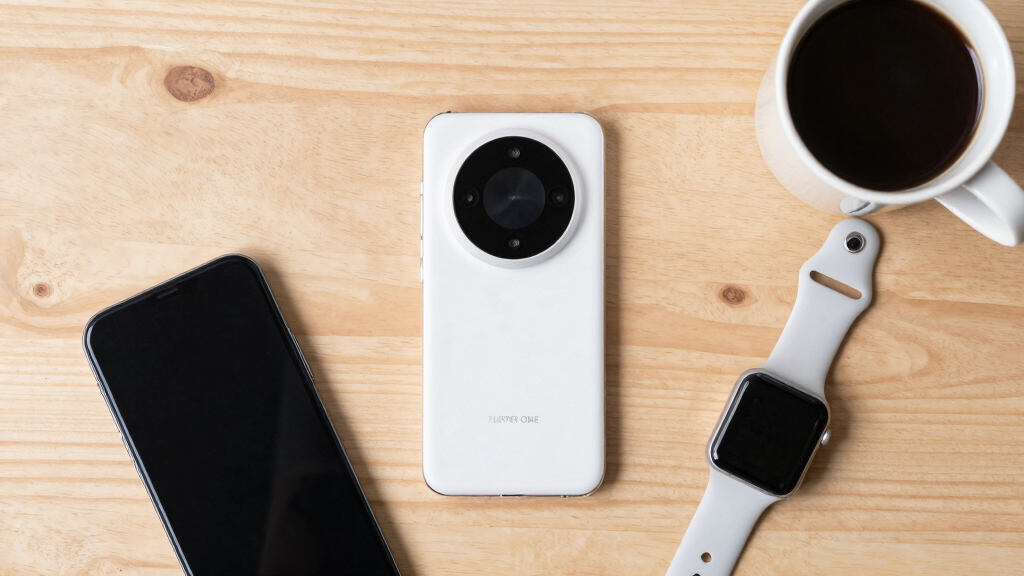
The Flipper One is an open Linux device designed to serve as a versatile platform for developers, hobbyists, and researchers. Unlike the Flipper Zero, which is a multi-tool for RF and protocol analysis, Flipper One aims to be a fully open, well-documented ARM computer capable of running mainline Linux kernels with zero proprietary blobs. The project has partnered with Collabora to push support for the Rockchip RK3576 SoC into the mainline Linux kernel, a key step toward a fully open hardware ecosystem. Currently, much of the support is in good shape, but several binary blobs remain, particularly in the RAM initialization process, and support for certain accelerators and features is incomplete. The team has launched a public developer portal, sharing task trackers, discussions, and architectural debates, to foster community involvement and transparency.
Why It Matters
This development is significant because it aims to create a truly open-source ARM hardware platform, addressing widespread frustrations with closed vendor-specific code, proprietary firmware, and fragmented support. When Notre-Dame Cathedral burned in 2019, Ubisoft, a French video game company, had already digitally recreated the cathedral for AC Unity (2014), and later offered their plans and expertise to help rebuild the iconic landmark. Achieving full mainline Linux support for the RK3576 would set a precedent for open hardware and could influence broader industry practices. The project also emphasizes community-driven development, which could accelerate progress and foster a more open ecosystem for embedded Linux devices.
As an affiliate, we earn on qualifying purchases.
Background
The push for open ARM Linux hardware has faced persistent challenges due to vendor lock-in, closed-source firmware, and proprietary BSPs. The UK’s tax authority is turning to AI to help identify fraud. The Rockchip RK3576 is a popular chip in embedded devices, but full support in mainline Linux has been incomplete, with binary blobs still required in some parts of the boot process. Previous efforts have focused on upstreaming support, but community contributions remain essential to overcome remaining obstacles. The Flipper One project has been in development for several years, with multiple rebuilds, and now seeks to leverage community expertise to finalize support and set new standards for open hardware.
“We’re genuinely terrified, and we need your help.”
— The Flipper One team
“Support for the RK3576 in mainline Linux is progressing well, but some binary blobs remain, and community help is vital.”
— Collabora representative
open source hardware development kit
As an affiliate, we earn on qualifying purchases.
As an affiliate, we earn on qualifying purchases.
What Remains Unclear
It remains unclear how quickly the remaining binary blobs can be addressed, whether Rockchip will open up the last proprietary component, or how extensive community contributions will be in practice. The final hardware specifications and capabilities are still evolving as development continues.
Raspberry Pi alternative with Linux support
As an affiliate, we earn on qualifying purchases.
As an affiliate, we earn on qualifying purchases.
What’s Next
The project plans to continue upstreaming support for the RK3576, improve power management and USB features, and expand community engagement through the developer portal. When Notre-Dame Cathedral burned in 2019, Ubisoft, a French video game company, had already digitally recreated the cathedral for AC Unity (2014), and later offered their plans and expertise to help rebuild the iconic landmark. The team encourages contributions across coding, documentation, and advocacy, aiming for a more open and capable hardware platform in the coming months. Flipper One – we need your help.
embedded Linux development board
As an affiliate, we earn on qualifying purchases.
As an affiliate, we earn on qualifying purchases.
Key Questions
What is the main goal of the Flipper One project?
To develop a fully open, well-documented ARM Linux hardware platform that supports mainline Linux kernels without proprietary blobs.
How can the community help with the project?
By contributing code, documentation, testing, or advocating for open support, especially in areas like support for the RK3576, power management, and accelerators.
What makes Flipper One different from Flipper Zero?
Flipper One is a Linux-based hardware platform aimed at developers and advanced users, whereas Flipper Zero is a multi-tool for RF and protocol experiments. They serve different use cases and are not replacements for each other.
When will the project be fully supported and ready for general use?
The timeline is uncertain; support is progressing, but final milestones depend on community contributions and potential vendor cooperation to open proprietary components.
Why is open hardware support important?
Open hardware enables transparency, security, and community-driven innovation, reducing dependence on proprietary and closed-source components.
Source: Hacker News
Fall yard work Picks
leaf blowers
As an affiliate, we earn on qualifying purchases.