📊 Full opportunity report: How A Promising Pill Is Shaping The Pancreatic Cancer Conversation on IdeaNavigator AI — validation score, market gap, and execution plan.

Get the latest gadgets delivered free with Prime
- Fast, free delivery on millions of items
- Prime Video, Amazon Music and more included
- Member-only deals all year
TL;DR

A business-idea brief proposes monitoring health and safety news for consumer-brand compliance teams, using a headline about a pancreatic cancer pill as an example. It gives no drug name, study, clinical-trial results, or medical source, so the reported cancer-treatment breakthrough cannot be verified from the material provided.
IdeaNavigator AI’s brief proposes a subscription news-monitoring service for safety and compliance staff at consumer-health and food companies. The brief uses the headline “Pill to treat pancreatic cancer hailed as ‘biggest breakthrough in decades’” as an example of a development the service might track. It supplies no drug name, clinical-trial information, medical institution, or supporting evidence to confirm that a new pill exists or has produced a breakthrough in pancreatic cancer treatment.
According to the IdeaNavigator AI brief, the proposed product would monitor Hacker News and similar feeds for health, safety, and contaminant findings, then filter stories for relevance to a particular buyer: a safety or compliance lead at a consumer-health or food brand. The brief says each selected item would be turned into a short summary explaining what changed, why it matters, and what the reader might do. It positions the idea as an early-warning and decision-support service, not as a medical information product for patients.
The brief says Hacker News surfaced the pancreatic-cancer headline with an 88/100 signal. It does not explain how that score was calculated, what it measures, when the item appeared, or whether the headline links to a clinical study or credible medical report. The number is therefore a signal score reported by IdeaNavigator AI, not evidence about a treatment’s safety or effectiveness.
To test demand, IdeaNavigator AI recommends delivering the proposed brief alongside two other health, safety, or contaminant findings to five people matching the target buyer profile. The brief proposes measuring whether recipients change a decision or forward the information to a colleague. It reports no test results, customer responses, paying subscribers, or product launch.
A headline raises questions about a proposed monitor
The brief describes a news-monitoring service for consumer-brand compliance teams. It does not verify the pancreatic cancer pill headline as a medical advance.
A monitoring idea, not a treatment update
The headline is an example in a business proposal, not evidence of a confirmed cancer treatment.
- A monitor would filter health and safety news for compliance staff.
- Short summaries would explain relevance and possible actions.
- No drug name, clinical study, or medical source is provided.
- No treatment benefit, safety, or regulatory status can be assessed.
How the proposed service works
The concept targets safety and compliance leads at consumer-health and food brands.
Collect health, safety, and contaminant findings from Hacker News and similar feeds.
Select stories that may matter to a particular professional audience.
Explain what changed, why it matters, and what a reader might do.
The score needs context
The 88/100 figure is a signal score reported in the brief. Its method and meaning are not explained, and it says nothing about a drug’s effectiveness.
A pilot is proposed
IdeaNavigator AI suggests sharing three findings with five prospective users and watching for practical responses.
A Monitoring Idea, Not a Medical Advance
The immediate development described in the IdeaNavigator AI brief is a product concept for compliance monitoring, rather than a confirmed cancer-treatment announcement. That distinction matters because the headline invokes a serious disease and a major therapeutic claim, while the supplied details do not identify a medicine or provide evidence that patients, clinicians, or regulators could evaluate.
For the proposed buyer, the underlying business problem identified in the brief is the volume and dispersion of health and safety information. A role-filtered service could be useful if it reliably separates relevant developments from general online discussion and gives readers enough sourcing to act responsibly. But the brief does not establish that the proposed service can verify claims, reduce missed alerts, or improve decisions. Those are questions for a pilot, not demonstrated benefits.
For readers following pancreatic cancer research, the headline alone should not be treated as evidence of a new treatment or a change in clinical practice. The brief provides no trial phase, patient results, risks, or regulatory status; no medical conclusion can be drawn from the claim as presented.
Products Worth Considering
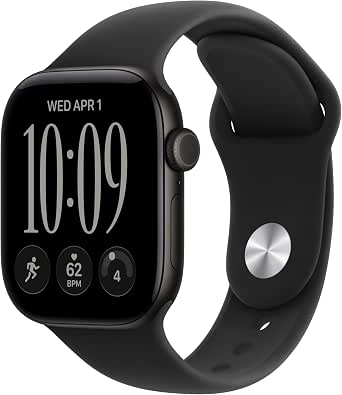
Apple Watch Series 12 GPS Smartwatch, 42 mm

Jackery Fridge Guard 1024Wh Backup Power Station with Mount

Apple AirPods Pro
As an affiliate, we earn on qualifying purchases.
How the Proposed Monitor Would Work
The IdeaNavigator AI brief targets a specific professional audience: safety or compliance leads at consumer-health and food brands. It identifies the problem as relevant health, safety, and contaminant findings appearing across news sites, online forums, and filings, leaving teams to identify what affects their work. Its suggested response is a feed that filters items by role and presents concise, action-oriented summaries.
The pancreatic-cancer pill headline functions in the brief as an example of a potentially attention-grabbing health item. IdeaNavigator AI proposes monitoring Hacker News and similar feeds, but the brief does not describe a verification process, editorial standards, alert thresholds, or how the service would distinguish a credible clinical report from an unverified post. It also provides no evidence that the headline originated in a medical journal, hospital announcement, regulator notice, or other primary source.
The brief proposes a subscription model for professionals seeking an early, tailored read. Its suggested five-person test would assess whether the summaries prompt a decision or are shared internally. That would offer an initial indication of usefulness, but would not by itself establish broad market demand or show that the system catches important developments accurately.
The Drug and Evidence Are Unidentified
The supplied IdeaNavigator AI brief does not say what the pill is called, who developed it, where the “biggest breakthrough in decades” wording originated, or whether the claim refers to laboratory research, a clinical trial, or an approved therapy. It includes no trial size, patient outcomes, comparison group, safety findings, publication, or regulator assessment. The cancer-treatment claim therefore remains unverified in the information provided.
The brief also does not explain what the 88/100 signal represents or how the proposed monitor would check the accuracy and relevance of items it collects. It describes a suggested pilot, not a completed one; it reports no feedback from the five prospective users or evidence of a launched subscription service. Whether the concept can deliver dependable, decision-relevant alerts remains open.
A Five-User Pilot Is Proposed
IdeaNavigator AI’s brief proposes hand-delivering a summary about this item and two additional health, safety, or contaminant findings to five prospective users matching its target role. The proposed test would look for evidence that a recipient changes a decision or forwards a summary to a colleague. The brief does not say that this outreach has taken place; it describes the test as something to run “this week” without providing a calendar date.
For the pancreatic-cancer claim to be assessed as medical news, the next useful information would be an identifiable drug and a traceable report from researchers, a clinical-trial registry, a medical journal, or a regulator. Until such evidence is supplied, the headline should not be read as confirmation of a treatment advance.
Source: IdeaNavigator AI brief
Key Questions
Has a new pancreatic cancer pill been confirmed?
Not by the information provided. The IdeaNavigator AI brief gives a headline but no drug name, study, clinical-trial results, or medical institution that would allow the claim to be checked.
What is IdeaNavigator AI proposing?
Its brief proposes a subscription monitor that filters health, safety, and contaminant news for consumer-health and food-company safety or compliance staff, then produces short summaries focused on relevance and possible actions.
What does the 88/100 score mean?
The IdeaNavigator AI brief reports that Hacker News surfaced the headline with an 88/100 signal, but does not explain the score’s method, time window, or meaning. It is not a measure of a drug’s effectiveness.
Has the monitoring service been tested with customers?
The IdeaNavigator AI brief reports no test results. It proposes sharing three items with five potential users and observing whether they change a decision or pass the information to a colleague.
Source: IdeaNavigator AI