
TL;DR

Get the latest gadgets delivered free with Prime
- Fast, free delivery on millions of items
- Prime Video, Amazon Music and more included
- Member-only deals all year
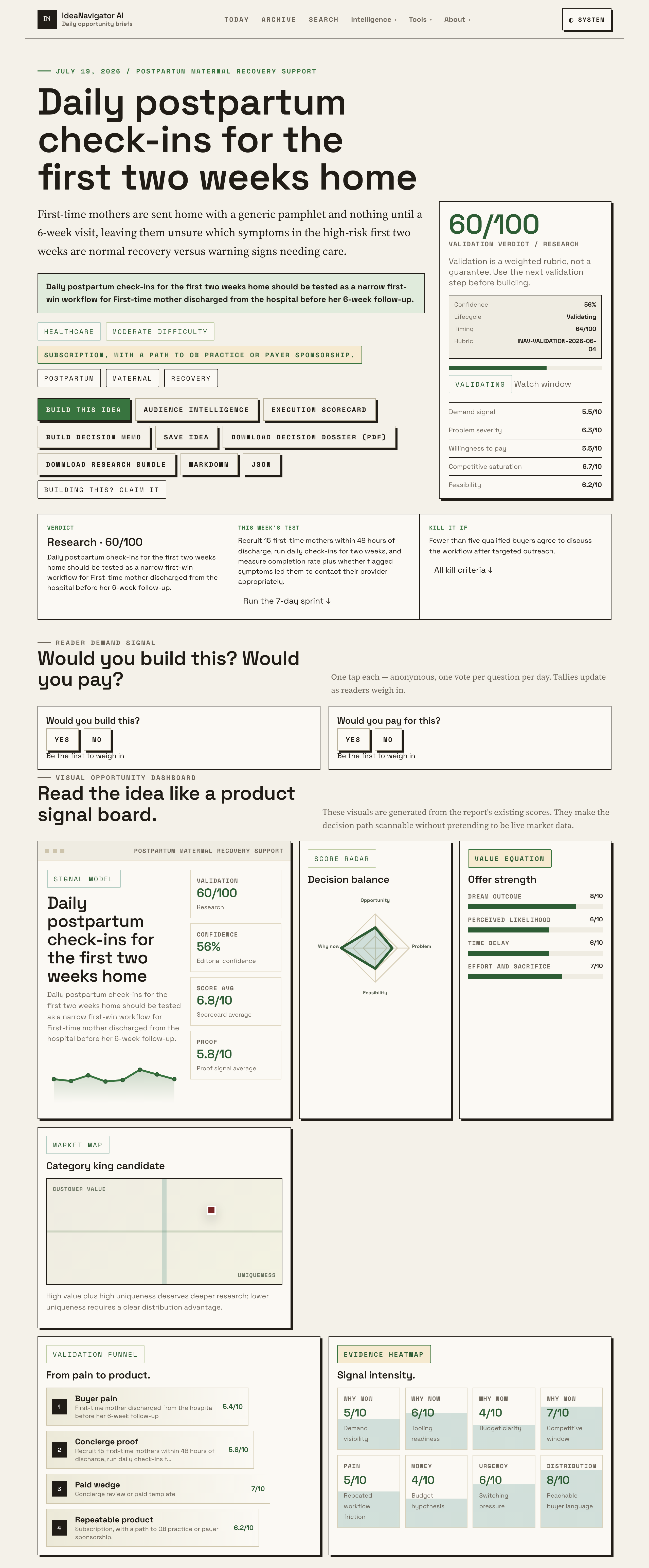
Implementing daily postpartum check-ins for first-time mothers during the first two weeks after hospital discharge shows promise for improving recovery and identifying warning signs. This approach could fill the critical postpartum care gap and reduce health risks.
Recent pilot efforts indicate that daily postpartum check-ins for the first two weeks after hospital discharge can improve maternal health outcomes for first-time mothers. This approach addresses a critical gap in postpartum care, where mothers often receive minimal guidance until their six-week follow-up, and could lead to more personalized, timely support during a high-risk recovery period.
Current postpartum care typically involves a single check-up at six weeks, leaving new mothers without structured support during the initial, most vulnerable weeks after delivery. Recognizing this gap, recent initiatives are testing daily check-ins via smartphone apps that gather recovery data, mental health status, and feeding information from new mothers shortly after discharge.
These pilot programs aim to build personalized recovery profiles based on delivery details, feeding methods, and mental health baselines. Daily check-ins deliver targeted advice and prompt mothers to contact healthcare providers if certain symptoms are flagged. The initial recruitment involves 15 first-time mothers within 48 hours of discharge, with outcomes measured by completion rates and appropriate healthcare contact prompted by flagged symptoms.
Experts suggest that this approach could significantly reduce postpartum complications by enabling early detection of warning signs, and improve maternal confidence and mental health during the critical early weeks.
Impact of Daily Check-ins on Postpartum Care
This initiative could transform postpartum care by providing continuous, personalized support during a period when mothers are most vulnerable. Early detection of complications such as infections, bleeding, or mental health issues could reduce hospital readmissions and improve long-term maternal health outcomes. It also addresses disparities by offering accessible, tailored guidance to new mothers who might otherwise lack immediate professional support.
As an affiliate, we earn on qualifying purchases.
Addressing the Postpartum Care Gap
Traditional postpartum care relies heavily on a single six-week follow-up, which many experts consider insufficient given the high-risk nature of the first two weeks after delivery. Maternal health campaigns have highlighted this gap, emphasizing the need for more immediate, ongoing support. With widespread smartphone use, daily digital check-ins are now feasible and could serve as a scalable solution to improve recovery monitoring.
Previous research has shown that many postpartum complications occur within the first two weeks, yet healthcare systems lack structured interventions during this window. Pilot programs like this one aim to test whether daily engagement can bridge this critical period effectively.
“Daily check-ins could provide the personalized, timely support that new mothers need during the most vulnerable period of postpartum recovery.”
— an anonymous researcher
As an affiliate, we earn on qualifying purchases.
Uncertainties in Pilot Outcomes and Scalability
It is not yet clear whether the pilot program’s positive early results will translate into long-term health benefits or scalable solutions. The small sample size and short duration limit definitive conclusions. Additionally, questions remain about how best to integrate such digital check-ins into existing healthcare workflows and whether mothers will consistently engage over the full two weeks.
As an affiliate, we earn on qualifying purchases.
Next Steps in Validating and Expanding the Approach
Researchers plan to expand the pilot to include more participants and longer follow-up periods to assess the impact on maternal health outcomes comprehensively. They will also evaluate the integration of these check-ins into routine postpartum care and explore potential funding or sponsorship models, such as insurance or healthcare providers. Results from this expanded pilot could inform broader implementation strategies and policy recommendations.
As an affiliate, we earn on qualifying purchases.
Key Questions
How do daily postpartum check-ins improve health outcomes?
They enable early detection of complications, provide personalized guidance, and prompt timely contact with healthcare providers, potentially reducing hospital readmissions and improving recovery.
Are these check-ins accessible to all new mothers?
While smartphone-based check-ins are widely accessible, disparities in technology access could limit reach. Future efforts aim to address such barriers and ensure equitable access.
What symptoms are typically flagged during these check-ins?
Common flagged symptoms include signs of infection, excessive bleeding, severe pain, or mental health concerns such as depression or anxiety.
Will this approach replace in-person postpartum visits?
No, it is intended as a supplement to existing care, providing additional support during the critical first two weeks rather than replacing scheduled in-person visits.
What are the costs associated with implementing daily check-ins?
Costs depend on the platform used, but initial models suggest a subscription-based approach that could be covered by insurance or healthcare systems, potentially reducing overall postpartum care costs.
Source: IdeaNavigator AI
Halloween Picks
halloween
As an affiliate, we earn on qualifying purchases.