
TL;DR

Get the latest gadgets delivered free — and shop member deals
- Fast, free delivery on millions of items
- Access to Prime Big Deal Days deals on October 6–7
- Prime Video, Amazon Music and more included
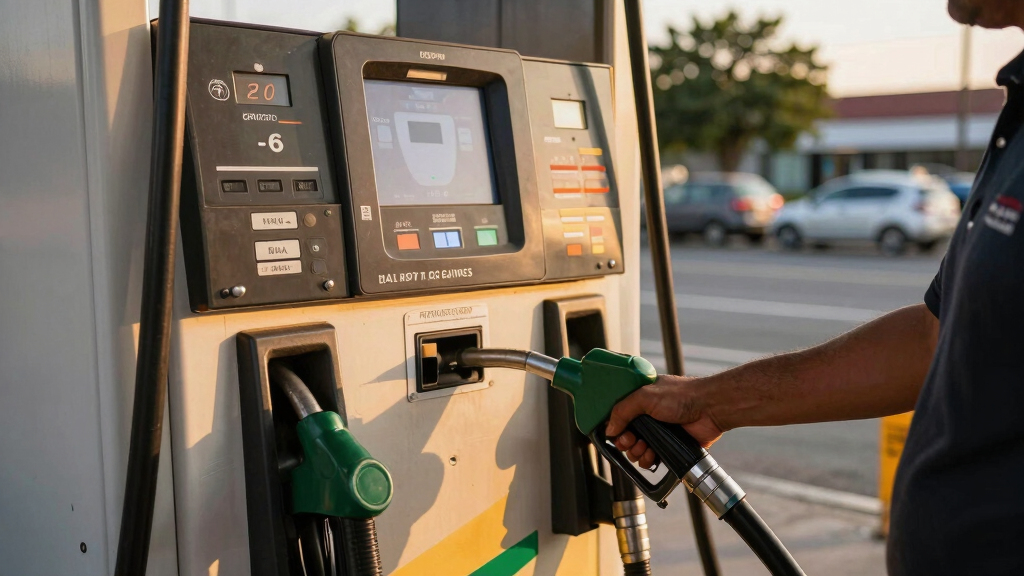
India has increased prices for gasoline and diesel for the first time in four years, driven by rising crude oil prices amid ongoing tensions related to Iran. The move marks a significant shift in India’s energy policy and affects consumers nationwide.
India has increased the prices of regular gasoline and diesel for the first time in four years, with government-owned oil retailers raising rates on May 15, 2026, citing rising crude oil costs linked to the Iran conflict. The move marks a significant shift in India’s energy pricing policy and is expected to impact millions of consumers nationwide.
The price hike was announced by Indian state-owned oil companies on May 15, 2026, and took effect immediately. This is the first upward adjustment since 2022, breaking a period of stable fuel prices despite global crude oil fluctuations. The increase is attributed to rising crude oil prices, which have been driven by geopolitical tensions surrounding Iran, a major oil producer. Officials from the Indian Oil Corporation confirmed the adjustment, stating that the rise in global crude prices has made it necessary to revise domestic fuel rates. The price of petrol was increased by approximately 2.5 rupees per liter, while diesel saw a similar increase, affecting consumers and commercial users alike.
Why It Matters
This development is significant because it signals a departure from India’s long-standing policy of maintaining stable fuel prices despite global oil market volatility. The price increase could influence inflation, transportation costs, and consumer spending across the country. It also reflects the broader impact of Middle East tensions, particularly related to Iran, on global energy markets. For India, which is heavily dependent on oil imports, rising fuel costs could have economic repercussions, including increased inflationary pressures and altered consumer behavior.
As an affiliate, we earn on qualifying purchases.
Background
India’s fuel prices have remained unchanged since 2022, despite fluctuations in global crude oil prices. The recent increase is linked to rising crude oil costs that have been influenced by geopolitical developments, notably tensions involving Iran, a key oil producer. The Iran conflict has led to concerns over supply disruptions and increased crude prices globally. India, as one of the world’s largest importers of oil, has historically managed fuel prices through government policies, but the recent rise indicates a shift towards passing on some costs to consumers. The move comes amid ongoing geopolitical tensions in the Middle East and fluctuating global energy markets.
“The rise in global crude oil prices has compelled us to adjust domestic fuel rates to reflect current market conditions.”
— Anil Kumar, Indian Oil Corporation spokesperson
“We are monitoring the situation closely, and any further adjustments will be made in line with market developments.”
— Finance Minister Nirmala Sitharaman
gasoline and diesel fuel additives
As an affiliate, we earn on qualifying purchases.
As an affiliate, we earn on qualifying purchases.
What Remains Unclear
It is still unclear whether this price increase will be temporary or if further adjustments will follow in the coming weeks. The precise impact on inflation and consumer behavior remains to be seen. Additionally, the extent to which global geopolitical developments, especially related to Iran, will influence future fuel prices is uncertain.
As an affiliate, we earn on qualifying purchases.
What’s Next
The government and oil companies are expected to monitor global crude oil markets closely. Future price adjustments may occur depending on geopolitical developments and crude oil price trends. Consumers and businesses will likely feel the impact of higher fuel costs in the short term, and policymakers may consider further measures to manage inflation and economic stability.
As an affiliate, we earn on qualifying purchases.
Key Questions
Why did India increase fuel prices now?
The increase was prompted by rising global crude oil prices driven by geopolitical tensions related to Iran, which have made it necessary for Indian oil companies to adjust domestic fuel rates.
Will fuel prices stay high or increase further?
It is uncertain. Prices could stabilize or rise further depending on global oil market developments and geopolitical tensions, particularly in the Middle East.
How will this affect Indian consumers?
Higher fuel prices are likely to increase transportation costs, impact inflation, and raise prices for goods and services across the economy.
Is this a permanent change?
Currently, it is a one-time adjustment, but future price changes will depend on global crude oil trends and geopolitical factors.
Halloween Picks
halloween
As an affiliate, we earn on qualifying purchases.