🔍 Read the full analysis: Interactive History Powered By AI: The La Citadelle Siege Of 1693 on ThorstenMeyerAI.com
TL;DR
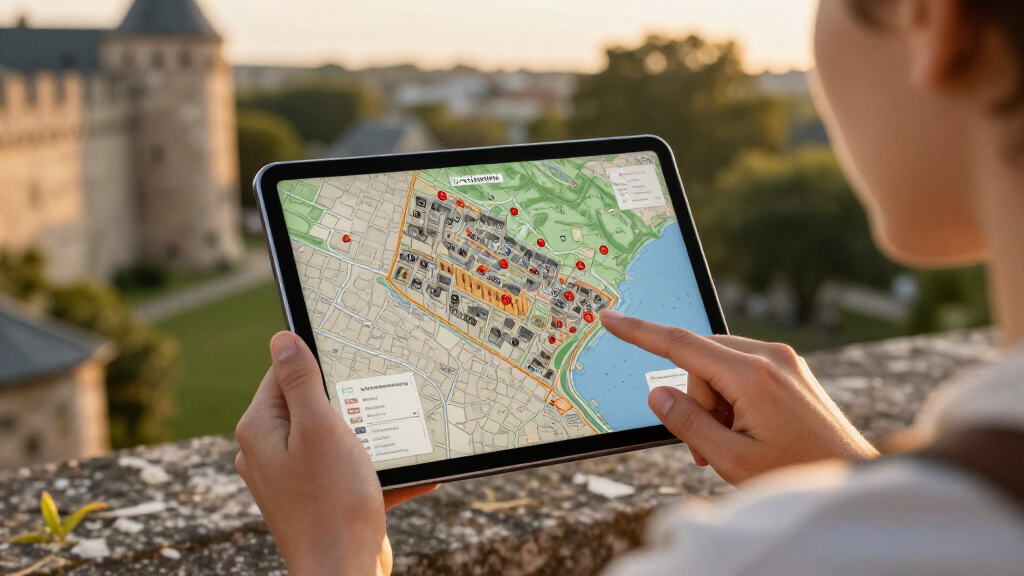
An AI-generated interactive exhibition now allows users to explore the 1693 La Citadelle siege through a cinematic, scroll-driven digital map. This innovative project combines layered SVGs, CSS, and AI analysis to create a highly detailed, explorable virtual reconstruction. It marks a significant advancement in digital history visualization, blending technology and education.
An AI-generated interactive exhibition now enables users to explore the 1693 siege of La Citadelle through a cinematic, scroll-driven digital map, as detailed in the original analysis. Developed by a team leveraging layered SVGs, CSS, and AI analysis, the project offers a detailed, explorable reconstruction of the historic event, blending educational content with artistic storytelling. This development represents a significant step in digital history visualization, making complex military history accessible and engaging for a broad audience.
The project, hosted on a dedicated site, uses a layered architecture of SVGs, CSS, and canvas elements to simulate the siege’s terrain, troop movements, and artillery fire without relying on static images. For more on digital reconstructions of historical sieges, see the original analysis. The site features a dynamic, scroll-driven diagram that transforms the terrain and military actions into a cinematic experience, allowing viewers to follow the progression of the siege day by day. The entire visualization is orchestrated by AI-powered site logic, which ensures high fidelity, responsiveness, and historical plausibility, reflecting the innovative use of AI in digital history projects.
According to the creators, the process involves an iterative critique phase driven by AI analysis, assessing visual coherence, responsiveness, and accuracy, followed by final approval from an art director. The design employs a restrained color palette, combining parchment, fortress ink, smoke grey, and vivid red accents to evoke an archival atmosphere. Typography blends monumental elegance with clarity, using fonts like Cinzel, EB Garamond, and Space Mono. The signature interaction features animated layers representing earthworks, artillery trajectories, and fortifications, all animated through JavaScript functions that simulate real-time activity. The entire exhibit is built with pure HTML, CSS, and JavaScript, with no external assets or frameworks, ensuring scalability and device compatibility.
Implications for Digital History and Education
This project demonstrates the potential of AI-driven digital exhibits to transform how history is presented and experienced. By creating a highly detailed, interactive, and cinematic reconstruction of a complex military event, it offers a new paradigm for engaging audiences with historical content. Such immersive visualizations can enhance educational outcomes, foster deeper understanding, and make history accessible beyond traditional textbooks or static images. Furthermore, the use of AI for iterative critique and refinement ensures high standards of accuracy and aesthetic quality, setting a new benchmark for digital storytelling in the humanities.
As an affiliate, we earn on qualifying purchases.
Historical and Technological Background of the 1693 Siege Reconstruction
The siege of La Citadelle in 1693 was a pivotal event during a period of frequent European conflicts, notably involving Vauban-style fortifications and military engineering. Historically, the event has been documented through engravings and textual accounts, but detailed visual reconstructions have been limited. This project builds on recent advances in AI and web technologies, aiming to bridge the gap between scholarly accuracy and engaging visualization. It follows a broader trend of using AI to generate digital exhibits, which can simulate complex historical scenarios with layered, explorable detail, without relying on static images or external assets.
The development process involved meticulous layering of terrain, fortifications, and troop movements, guided by historical maps and engineering principles. The project’s creators emphasize that AI analysis ensures the visual coherence and historical plausibility of each element, making the experience both educational and immersive. This approach reflects ongoing efforts to leverage AI for cultural preservation and public engagement, extending beyond traditional museum exhibits into interactive digital environments.
As an affiliate, we earn on qualifying purchases.
Remaining Questions About Accuracy and Accessibility
While the exhibit demonstrates impressive visual fidelity and responsiveness, it is not yet clear how closely the reconstruction aligns with all historical sources or whether it incorporates the full complexity of the event. The reliance on AI critique and artistic interpretation may introduce subjective elements, and the extent of scholarly validation remains to be confirmed. Additionally, questions about accessibility for users with disabilities or limited internet bandwidth have yet to be addressed, as the project emphasizes visual detail and cinematic effects.
digital reconstruction of military sieges
As an affiliate, we earn on qualifying purchases.
As an affiliate, we earn on qualifying purchases.
Future Developments and Potential Expansions
Developers plan to expand the exhibit by integrating more detailed narratives, including primary source documents and expert commentary. They also aim to improve accessibility features, such as audio descriptions and simplified modes. Further, the team intends to apply similar AI-driven reconstruction techniques to other historical events, creating a broader digital archive of immersive, interactive history exhibits. Ongoing feedback from users and scholars will shape future iterations, ensuring both accuracy and engagement are maintained.
As an affiliate, we earn on qualifying purchases.
Key Questions
How accurate is the reconstruction of the 1693 siege?
The reconstruction is based on historical maps, engineering principles, and AI analysis to ensure high fidelity, but some subjective artistic interpretation is involved, and full scholarly validation is ongoing.
Can I explore the exhibit on any device?
Yes, the exhibit is built with scalable web technologies that ensure responsiveness across devices, including desktops, tablets, and smartphones.
Does the exhibit include detailed explanations of military tactics?
Yes, the project features annotations and glossaries explaining fortification geometry, siege tactics, and key military concepts, enhancing educational value.
Are there plans to add more historical events?
Future plans include expanding to other significant battles and sieges, leveraging the same AI-driven visualization techniques to create a comprehensive digital history archive.
Source: ThorstenMeyerAI.com