TL;DR

Get the latest gadgets delivered free with Prime
- Fast, free delivery on millions of items
- Prime Video, Amazon Music and more included
- Member-only deals all year
Apple announced a suite of new accessibility features powered by Apple Intelligence, including improved VoiceOver, Magnifier, and generated subtitles. These updates aim to enhance usability for diverse users and will be available later this year.
Apple announced a suite of accessibility updates powered by Apple Intelligence, including enhancements to VoiceOver, Magnifier, and new features for generating subtitles, all scheduled for release later this year.
These updates include more detailed descriptions and natural language navigation for VoiceOver, expanded capabilities for Magnifier, and on-device generated subtitles for videos without captions. The subtitles will transcribe spoken audio automatically across the Apple ecosystem, including iPhone, iPad, Mac, Apple TV, and Vision Pro, with privacy maintained through on-device speech recognition.
Additional features announced comprise vehicle motion cues for Vision Pro to reduce motion sickness, eye-based controls for Vision Pro, and improvements to hearing aid pairing and sign language interpretation APIs. Larger text support will also be introduced for tvOS, aiding users with low vision.
Why It Matters
This development significantly advances accessibility technology by integrating artificial intelligence to provide more natural, private, and versatile support for users with disabilities. It broadens the range of assistive features available across Apple devices, potentially improving independence and user experience for millions worldwide.
Products Worth Considering
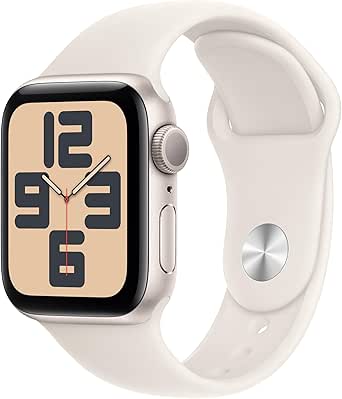
Apple Watch SE (2nd Gen) GPS 40mm with Starlight Aluminum Case and Sport Band (S/M)

Apple Watch Series 12 GPS 46mm Smartwatch

Apple Watch Series 8 GPS, 41mm, Midnight Aluminum Case with Midnight Sport Band (S/M)
As an affiliate, we earn on qualifying purchases.
Background
Apple has historically integrated accessibility features into its products, but the recent announcement marks a major step by leveraging artificial intelligence to enhance these capabilities. The company previously introduced features like VoiceOver and Magnifier, but the new AI-powered functionalities aim to make navigation and media consumption more intuitive and personalized. The announcement follows ongoing industry trends toward AI-driven assistive technology and reflects Apple’s commitment to inclusive design.
“These new features, powered by Apple Intelligence, will enable users to experience more detailed descriptions, natural language navigation, and personalized support across our ecosystem.”
— Apple spokesperson
“Our goal is to make technology more inclusive, and these updates represent a significant step forward in delivering intelligent, private, and versatile support for all users.”
— Apple Accessibility Team
What Remains Unclear
It is not yet clear how widely available these features will be upon launch, or if there will be regional restrictions. The full scope of supported languages and devices, as well as user adoption and feedback, remains to be seen.
What’s Next
Apple plans to release these features later this year, with beta testing available to developers and select users. Further details about specific rollout dates and region availability are expected in upcoming updates and developer announcements.
Key Questions
When will these accessibility features be available?
They are scheduled for release later this year, with initial availability likely through software updates and beta programs.
Will these features be available in all regions?
Availability may vary by region, depending on language support and device compatibility. Details will be announced closer to launch.
Are these features compatible with all Apple devices?
Most features will be available on recent models supporting the latest operating systems, but some advanced features like Vision Pro controls require specific hardware.
How does Apple Intelligence improve accessibility?
It enables more natural language understanding, private on-device processing, and personalized support, making assistive features more intuitive and effective.