
TL;DR

Get the latest gadgets delivered free with Prime
- Fast, free delivery on millions of items
- Prime Video, Amazon Music and more included
- Member-only deals all year
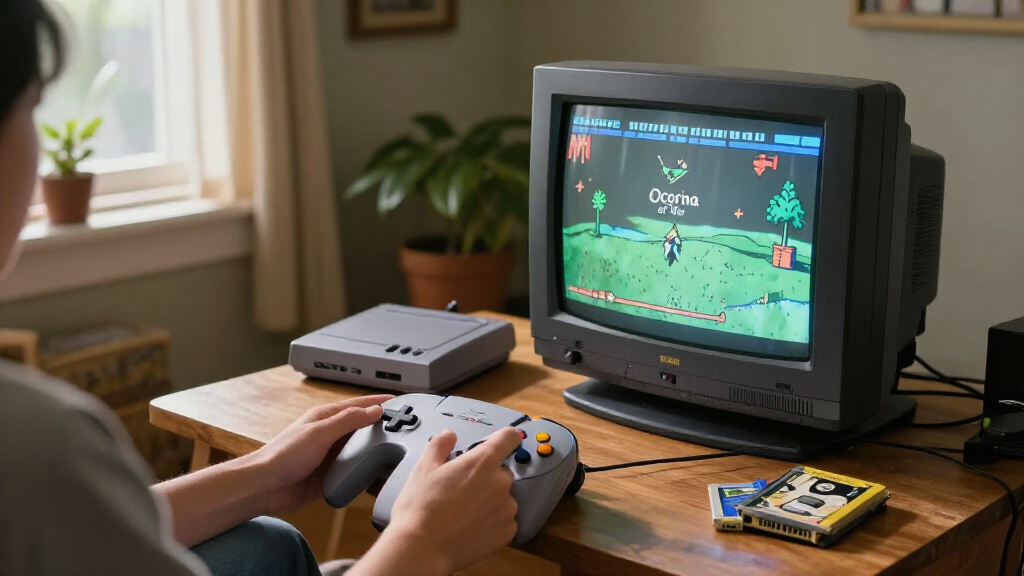
Nintendo producers Eiji Aonuma and Hidemaro Fujibayashi say the Switch 2 remake of Ocarina of Time aims to preserve what mattered in the 1998 game while adding carefully chosen updates. The changes include modernized graphics, full camera control, optional jumping and fewer Navi hints; Nintendo has not detailed the complete list of revisions.
Nintendo producers Eiji Aonuma and Hidemaro Fujibayashi say a younger development team helped shape the Switch 2 remake of The Legend of Zelda: Ocarina of Time around preserving the original’s defining qualities rather than adding novelty for its own sake. In an interview with The Verge ahead of launch, Fujibayashi described the team’s goal as “elegance,” with selected updates intended to make the 1998 game feel more at home alongside modern Zelda titles.
The remake retains much of the original Nintendo 64 game while updating its visuals and controls. The changes described in the interview include full camera control, the ability to jump freely, and a reduction in the frequency of Navi’s hints. The changes are intended to accommodate contemporary expectations without replacing the structure and identity of the original adventure.
Fujibayashi, known for directing Breath of the Wild and its sequel, said younger developers on the team approached the project carefully, including some who had never played the original. He said their perspective helped the team decide what not to change, and avoid adding features simply because they were new. Aonuma, who worked on both versions, said the production now involves more people and takes more time than development in the N64 era.
The control updates also required design changes. Aonuma said allowing players to jump freely meant the team had to adjust the world to account for the added movement options. He said the feature gives players another way to approach goals and creates a link with the greater freedom of Breath of the Wild and Tears of the Kingdom. Nintendo’s stated visual goal was to reveal details of the world that could not be shown with the original hardware.
How the remake bridges Zelda eras
The remake puts a classic game’s design in contact with expectations shaped by decades of 3D games and by Zelda’s more recent focus on player freedom. Camera control and free jumping address specific limitations that can feel dated to players accustomed to newer entries, while the team says it has kept the original’s core experience intact.
That balance matters because an update can change more than appearance: new movement options can affect how players traverse a level and reach objectives. Aonuma said the team adjusted the world to account for jumping, rather than treating the feature as a cosmetic addition. The example offers a glimpse into the work involved in modernizing a familiar game without discarding its underlying design.
The development account also highlights a difference in production scale. Aonuma recalled that the original could have a single person designing backgrounds; he said that would not be feasible for a project of this kind today. Larger teams and longer schedules can support more detail, but, in his account, make coordination more difficult. The remake therefore reflects both changing hardware and a changed way of making games.
Products Worth Considering
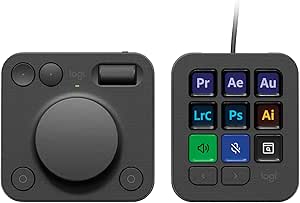
Logitech MX Creative Console with 9 Customizable Keys, Graphite

DJI Mini 5 Pro Fly More Combo with DJI RC 2

Apple iPad Pro 12.9-inch (2017), 512GB Wi-Fi, Space Gray
As an affiliate, we earn on qualifying purchases.
From N64 landmark to modern remake
Ocarina of Time first appeared on Nintendo 64 in 1998, when it brought the Zelda series into three dimensions. Fujibayashi said he was working at Capcom at the time, but remembers watching how Nintendo addressed problems associated with early large 3D worlds. He singled out Z-targeting, which lets players lock on to an enemy, as a solution that remains influential to his work on 3D games.
The remake’s approach reflects the contrast between that original design and later Zelda games. The N64 version did not let players control the camera freely or jump whenever they wanted, while recent entries give players substantially more freedom. The remake adds selected modern controls, but the interview does not suggest that it adopts the open-ended structure of those newer games.
Aonuma also described the remake as a chance to revisit decisions made under the constraints of the original hardware and development process. The updated visuals aim to show details that could not be rendered on the N64. The source report describes a visual style combining realism and fantasy art, but does not provide technical specifications for the Switch 2 version.
“They’re looking for elegance. Only what is needed, only what was important in the original, and how to carry that forward as their focus.”
— Hidemaro Fujibayashi, producer
The full change list remains unknown
The interview describes several updates but does not provide a complete account of everything changed, nor does the supplied material specify the remake’s launch date. It also gives no performance details, pricing, technical display targets or information about possible additional modes. Nintendo’s full plans for the release cannot be established from these remarks alone.
The developers describe the project’s goals and selected design decisions, but the report does not provide independent testing or player-response data. How the camera, jumping and quieter hints work across the full game—and how closely the experience matches the original beyond the features discussed—remains to be seen.
Players will judge the balance
The next clear milestone is the remake’s launch and players’ opportunity to experience its changes directly. The interview was conducted ahead of release, but the source material provided here does not establish a date or say when Nintendo will publish further details.
Once the game is available, reviews and player accounts can help show whether the new controls and visual updates fit the original’s level design, and whether the reduced Navi hints change how players follow the story. Until then, the clearest account of Nintendo’s intentions is the producers’ description of a selective remake: preserve what mattered, and update elements they believe can connect the game to present-day Zelda.
Key Questions
What did Nintendo mean by pursuing “elegance”?
Fujibayashi used the term to describe a restrained approach: keeping important parts of the original and avoiding additions made only for novelty. He said younger developers helped the team consider what not to change.
What gameplay changes are described?
The interview mentions full camera control, the ability to jump freely and fewer Navi hints. Aonuma said the team adjusted the world to account for free jumping.
Does the remake change the original game’s basic design?
The producers said the remake preserves much of the N64 experience while adding selected modern features. The interview does not describe a wholesale change to the game’s structure.
Why did Nintendo update the controls?
Aonuma said added freedom helps connect the remake with recent Zelda games, including Breath of the Wild and Tears of the Kingdom. He also said free jumping gives players another way to approach goals.
When will the remake launch?
The source material describes an interview conducted ahead of launch but does not give a release date. It also does not include a full release or technical details.
Source: theverge.com