
TL;DR
Odysseus version 1.0 has been released as a self-hosted AI workspace, allowing users to operate a local AI environment with features like chat, research, and automation. It aims to provide privacy and control over data, running on personal hardware.
Odysseus version 1.0, a self-hosted AI workspace platform, has been officially launched, offering users a local environment to run chatbots, research tools, and automation features without relying on third-party cloud services.
The platform enables users to host and manage AI models, including local models like llama.cpp and vLLM, along with tools for chat, deep research, model comparison, document editing, and email management. It supports deployment via Docker or manual installation on Linux, macOS, and Windows, with a focus on privacy and local data control.
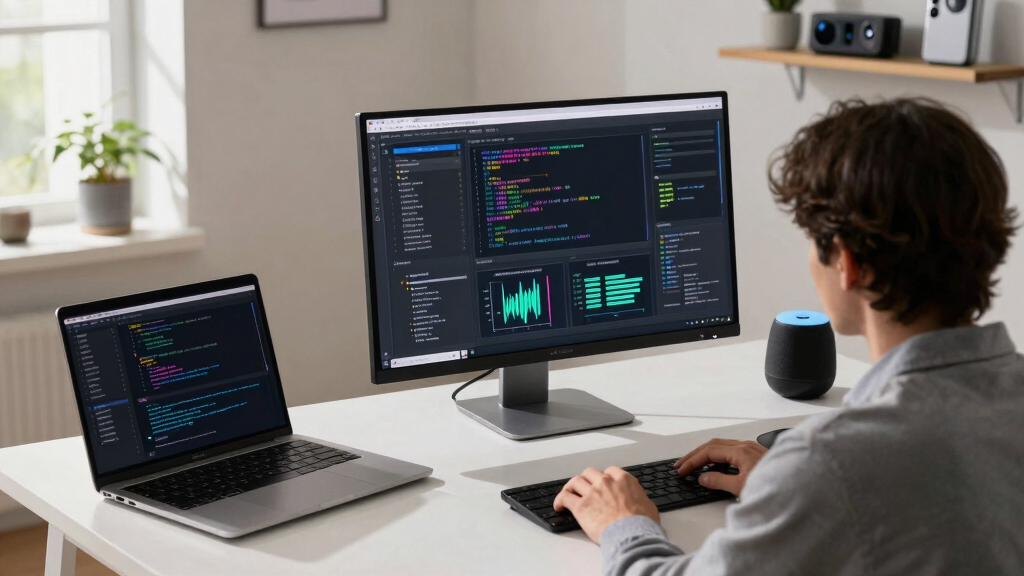
Odysseus incorporates features such as persistent memory, skills evolution, and integrations with email, calendar, and file uploads. It is designed to run on personal hardware, including mobile devices, with a web interface accessible via PWA. The initial release emphasizes security, requiring proper configuration for network exposure, and advises users to keep sensitive data out of Git repositories.
Why It Matters
This release matters because it offers a comprehensive, privacy-focused alternative to cloud-based AI platforms, empowering individuals and organizations to operate AI tools securely on their own infrastructure. It could influence the adoption of self-hosted AI solutions, especially for users concerned about data privacy, security, and control.
self-hosted AI workspace hardware
As an affiliate, we earn on qualifying purchases.
As an affiliate, we earn on qualifying purchases.
Background
Self-hosted AI platforms have gained interest as privacy concerns grow. Prior efforts have included open-source models and local deployment tools, but Odysseus aims to combine model management, research, and automation in a unified workspace. This release follows a trend toward decentralizing AI infrastructure, allowing users to avoid reliance on external providers. Notion just turned its workspace into a hub for AI agents.
“Odysseus 1.0 is designed to be a privacy-first, local-first AI workspace that gives users full control over their data and models.”
— Odysseus developers
“The platform’s modular design makes it easy to integrate different models and tools, which is a big plus for customization.”
— Initial user feedback
As an affiliate, we earn on qualifying purchases.
What Remains Unclear
It is still unclear how widely adopted Odysseus will become or how it will perform in large-scale or complex deployments. Details about long-term support, community contributions, and integration with proprietary models remain to be seen.
Docker compatible Linux server for AI
As an affiliate, we earn on qualifying purchases.
As an affiliate, we earn on qualifying purchases.
What’s Next
Next steps include monitoring user feedback, updates to improve stability and features, and potential integrations with more models and tools. Developers may also release tutorials and documentation to facilitate wider adoption.
personal AI model hosting device
As an affiliate, we earn on qualifying purchases.
As an affiliate, we earn on qualifying purchases.
Key Questions
Can I run Odysseus on my existing hardware?
Yes, Odysseus is designed to run on personal hardware, including Linux, macOS, and Windows, with recommended specifications provided in the setup instructions.
Is Odysseus suitable for enterprise use?
While it offers robust features for individual and small-scale deployment, enterprise use may require additional security configurations and support, which are not explicitly detailed in the initial release.
Does Odysseus support proprietary models like OpenAI’s GPT?
Yes, it supports connecting to external APIs like OpenAI, as well as local models. Configuration options are available in the settings panel.
What are the security considerations for deploying Odysseus?
Users should keep the deployment behind HTTPS and a trusted reverse proxy if exposed externally, and avoid exposing sensitive data or admin routes without proper security measures.
What is the future development plan for Odysseus?
Future updates are expected to include additional features, improved stability, community plugins, and more comprehensive documentation to support broader adoption.
Source: Hacker News