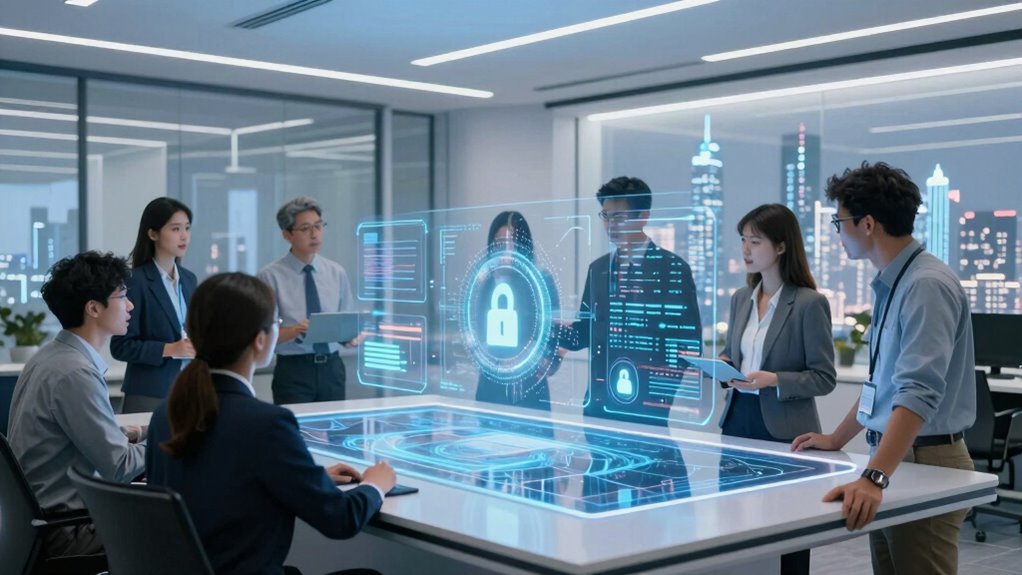

In 2026, your security awareness training should become highly personalized and immersive, using AI to adapt content based on your role, experience, and learning style. It must include realistic simulations and gamified scenarios that mimic real threats, providing instant feedback to reinforce learning. Incorporate continuous updates driven by real-time threat intelligence to keep content fresh and relevant. If you want to discover how these changes can transform your organization’s security posture, keep exploring.

Get the latest gadgets delivered free — and shop member deals
- Fast, free delivery on millions of items
- Access to Prime Big Deal Days deals on October 6–7
- Prime Video, Amazon Music and more included
Key Takeaways
- Integrate AI-driven personalization to tailor content to individual roles, experience levels, and learning preferences.
- Incorporate immersive simulations and gamified scenarios for realistic, engaging threat recognition training.
- Continuously update training modules with real-time threat intelligence reflecting evolving cyberattack techniques.
- Foster a security-aware culture through ongoing assessments, adaptive content, and reinforcement strategies.
- Ensure accessibility and flexibility for remote and hybrid teams via multi-device delivery and adaptable learning schedules.

As cybersecurity threats continue to evolve rapidly, security awareness training in 2026 must go beyond traditional methods to effectively protect organizations. You can’t rely solely on generic presentations or one-size-fits-all e-learning modules anymore. Instead, the focus shifts toward AI integration, which enables you to deliver highly tailored content that resonates with each employee’s role, experience level, and learning style. AI-driven platforms analyze user interactions, identify knowledge gaps, and adapt training modules in real-time, making the learning process more engaging and effective. Personalized modules become essential because they address specific vulnerabilities within your organization, ensuring employees concentrate on the threats most relevant to their daily tasks. For example, someone in finance might receive targeted training about phishing scams related to financial data, while IT staff focus on emerging malware tactics. This tailored approach increases retention and empowers your team to respond swiftly and confidently to cyber threats. Additionally, incorporating content customization ensures that training remains relevant and engaging for all employees, regardless of their technical background.
In 2026, the training experience should be more interactive and immersive, leveraging AI to create realistic simulations, gamified scenarios, and adaptive learning pathways. You’ll find that traditional slide decks are replaced with dynamic, scenario-based exercises that mirror real-world attacks. These simulations help employees recognize suspicious activity faster and make better decisions under pressure. AI can also track progress and provide instant feedback, reinforcing learning and highlighting areas for improvement. This adaptive learning approach ensures that each employee’s training journey evolves based on their performance and needs. Furthermore, integrating cyber threat intelligence** into training modules ensures that content stays current, reflecting the latest attack techniques and vulnerabilities. This integration of external threat data enhances the overall relevance and effectiveness of security education. This personalized, engaging approach keeps staff motivated and helps embed cybersecurity best practices into their daily routines. Incorporating regular updates** driven by evolving threat landscapes also ensures ongoing relevance and preparedness.
Moreover, your security awareness program should foster a culture of continuous learning. Cyber threats don’t stay static, so your training shouldn’t either. AI integration allows for ongoing content updates based on current threat intelligence, ensuring your team stays ahead of new attack vectors. Regular assessments and adaptive modules mean that training remains relevant and challenging, reducing complacency and building a resilient security culture. Additionally, leveraging requirements traceability can help ensure that your training objectives align with organizational compliance and security standards, providing a comprehensive framework for ongoing improvement.
Finally, in 2026, you should prioritize making training accessible and flexible. AI-powered platforms can deliver content across devices, catering to remote or hybrid teams without sacrificing quality. This flexibility ensures that every employee, regardless of location or schedule, receives consistent, up-to-date cybersecurity education. By embracing AI integration and personalized modules, you’re equipping your organization with a smarter, more responsive security awareness program that not only educates but fundamentally changes how your team perceives and responds to cyber threats.
AI-driven security awareness training platform
As an affiliate, we earn on qualifying purchases.
As an affiliate, we earn on qualifying purchases.
Frequently Asked Questions
How Will AI Personalize Security Training for Individual Employees?
AI will personalize security training for you by analyzing your behavior and knowledge gaps, creating tailored learning experiences. It will use adaptive modules that adjust in real-time based on your progress and responses, ensuring you focus on areas needing improvement. This approach makes training more engaging and effective, helping you better understand threats specific to your role and boosting your overall security awareness through personalized learning.
What Role Will Virtual Reality Play in Security Awareness Programs?
Virtual reality will play a pivotal role in security awareness programs by offering virtual immersion through simulated environments. You’ll experience real-world scenarios, like phishing attacks or data breaches, in a safe, controlled space. This hands-on approach helps you recognize threats more effectively, building muscle memory and confidence. As a result, you’ll be better prepared to respond swiftly and correctly in actual security situations, strengthening your overall cybersecurity awareness.
How Can Training Stay Effective Amid Evolving Cyber Threats?
To keep training effective amid evolving cyber threats, you should focus on boosting employee engagement through interactive, real-world scenarios, ensuring learners stay interested and retain critical knowledge. Regularly update your content to reflect new threats, and use training metrics to measure progress and identify gaps. By adapting your approach, you help your team stay vigilant, responsive, and prepared to counter emerging cybersecurity challenges effectively.
Will Gamification Become the Primary Method for Security Training?
Gamification is poised to become a primary method for security training because it boosts engagement techniques and makes learning more interactive. By incorporating content customization, you can tailor scenarios to your team’s specific risks, increasing relevance. This approach not only captures attention but also helps reinforce behaviors effectively. As threats evolve, leveraging gamification will keep your training dynamic and engaging, ensuring your team stays alert and prepared.
How Will Remote Work Influence Security Awareness Strategies?
Remote work will revolutionize your security awareness strategies, making employee engagement more vital than ever—like trying to catch lightning in a bottle. You’ll need to focus on personalized training to boost vigilance and address privacy concerns head-on. Virtual environments increase risks, so implementing interactive, real-time simulations will help employees stay alert. Prioritizing clear communication about privacy and security will guarantee your team stays protected, regardless of where they work.
cybersecurity simulation training software
As an affiliate, we earn on qualifying purchases.
As an affiliate, we earn on qualifying purchases.
Conclusion
So, as you gear up for 2026, remember: despite all the high-tech tools and flashy training modules, staying secure still comes down to your awareness and habits. Ironically, the biggest threat might be the complacency that creeps in after all the updates and simulations. Keep your guard up, stay curious, and don’t assume you’re invincible just because your training got a shiny upgrade. After all, cyber threats never take a vacation — and neither should your vigilance.
gamified cybersecurity training modules
As an affiliate, we earn on qualifying purchases.
As an affiliate, we earn on qualifying purchases.
real-time threat intelligence updates
As an affiliate, we earn on qualifying purchases.
As an affiliate, we earn on qualifying purchases.
Halloween Picks
halloween
As an affiliate, we earn on qualifying purchases.