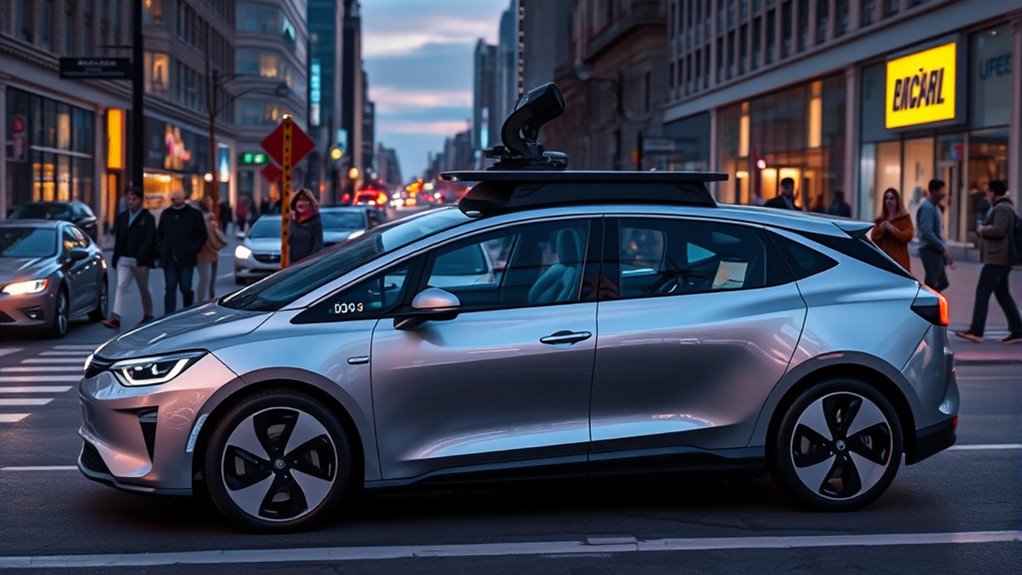

By 2025, self-driving cars are now a common part of daily life, transforming how you commute and how cities manage traffic. They’re integrated into transportation systems, but challenges remain. Ethical dilemmas, evolving regulations, cybersecurity, and data privacy issues continue to be addressed. While progress is impressive, full adoption still faces hurdles. If you want a clearer picture of where things stand and what’s next, you’ll find all the details unfold ahead.

Get the latest gadgets delivered free — and shop member deals
- Fast, free delivery on millions of items
- Access to Prime Big Deal Days deals on October 6–7
- Prime Video, Amazon Music and more included
Key Takeaways
- Self-driving cars are now widely integrated into daily transportation and urban infrastructure by 2025.
- Ethical decision-making remains a challenge, especially in unavoidable accident scenarios.
- Regional regulatory differences complicate deployment and hinder nationwide adoption of autonomous vehicles.
- Cybersecurity and data privacy concerns continue to pose significant safety and legal challenges.
- Lessons from aviation safety and environmental awareness influence autonomous vehicle development and policy frameworks.
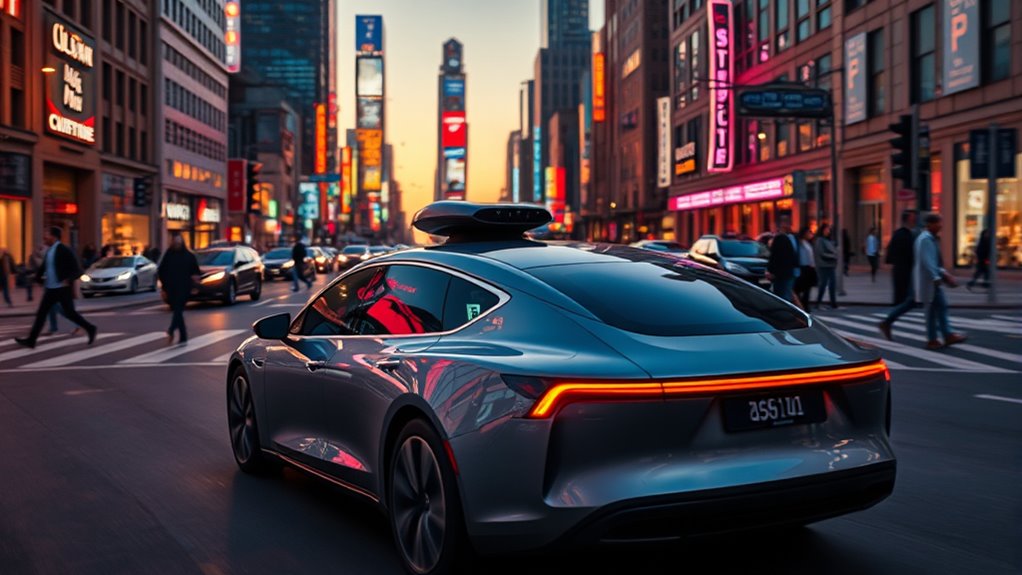
By 2025, self-driving cars have become an integral part of everyday life, transforming how people commute and how cities manage transportation. As these vehicles become more common on roads, you might wonder how society is adapting to this shift. One of the most pressing issues involves ethical considerations. Developers and regulators are grappling with questions about decision-making in unavoidable accident scenarios. For example, if a self-driving car faces a choice between hitting a pedestrian or risking passenger safety, who bears responsibility? These dilemmas are complex, and the technology isn’t yet sophisticated enough to always make morally *best* decisions. This creates a tension between innovation and morality, pushing manufacturers and policymakers to develop frameworks that balance technological capabilities with societal values.
Alongside ethical considerations, regulatory challenges also shape the landscape of autonomous vehicles. Governments worldwide are racing to establish rules that ensure safety without stifling innovation. You’ll notice that regulations differ *considerably* across regions, leading to a patchwork of standards that can complicate deployment and interstate travel. Some areas require rigorous testing and certification processes, while others adopt a more lenient approach to encourage industry growth. This inconsistent regulatory environment can create uncertainty for manufacturers and consumers alike. For example, a car approved in one state might not meet the standards of another, slowing down widespread adoption. *Furthermore*, authorities are concerned about cybersecurity threats, data privacy, and liability issues, which further complicate regulation. The challenge lies in creating *thorough* policies that foster innovation while safeguarding public safety and trust. Additionally, understanding Basics of Soaring and Gliding can offer insights into the importance of environmental awareness and safety considerations relevant to all forms of aviation and transportation safety.
As an affiliate, we earn on qualifying purchases.
Frequently Asked Questions
What Are the Main Safety Concerns With Autonomous Vehicles?
Your main safety concerns with autonomous vehicles include sensor reliability, which might cause the car to misinterpret surroundings, leading to accidents. Cybersecurity risks are also significant, as hackers could potentially gain control and cause harm. Ensuring robust systems and regular updates helps mitigate these issues. You should stay informed about the latest safety measures and technology improvements to confidently trust self-driving cars on the road.
How Do Self-Driving Cars Impact Employment in Transportation Sectors?
You might think self-driving cars will cause a revolution in jobs, and you’re right—they’re transforming transportation sectors faster than you can say “ridesharing disruption.” Driverless delivery services are replacing countless delivery drivers, and autonomous ride-hailing reduces demand for taxi and limo drivers. While some jobs vanish, new roles emerge in tech support and vehicle management, but overall, your daily commute and employment opportunities could change dramatically, for better or worse.
What Are the Legal Liabilities if an Autonomous Car Causes an Accident?
If an autonomous car causes an accident, liability generally falls under liability frameworks and insurance policies. You might be held responsible if the crash results from user error or negligence, but manufacturers could be liable if it stems from a vehicle defect. Insurance policies are evolving to cover autonomous vehicle incidents, aiming to clarify who pays for damages. Always review specific legal regulations in your region to understand your liabilities better.
How Do Self-Driving Cars Perform in Extreme Weather Conditions?
You might think self-driving cars are invincible, but extreme weather tests their limits. In severe rain, snow, or fog, weather resilience can falter, affecting sensor accuracy and decision-making. While advancements have improved performance, these vehicles still struggle in harsh conditions, risking safety. Expect frequent recalibrations and cautious driving behaviors until technology fully overcomes weather challenges, making them truly reliable in every climate.
What Are the Privacy Implications of Data Collected by Autonomous Vehicles?
You should be aware that autonomous vehicles collect vast amounts of data, raising privacy concerns. To safeguard your information, manufacturers implement data encryption, making your data secure from hacking. However, they also require your explicit user consent before collecting and sharing data. Stay informed about how your data is used, and always review privacy policies to ensure your personal information remains protected as autonomous vehicle technology advances.
autonomous vehicle cybersecurity kit
As an affiliate, we earn on qualifying purchases.
As an affiliate, we earn on qualifying purchases.
Conclusion
Imagine yourself on a journey where self-driving cars are like faithful co-pilots, guiding you through a bustling city. While they’ve come a long way, they’re still learning the twists and turns of the road. By 2025, they’re more like seasoned navigators, but you still need to pay attention and stay alert. The road ahead is exciting, filled with promise—just remember, even the best copilots need a watchful driver by their side.
As an affiliate, we earn on qualifying purchases.
self-driving car ethical decision system
As an affiliate, we earn on qualifying purchases.
As an affiliate, we earn on qualifying purchases.
Fall Picks
fall essentials
As an affiliate, we earn on qualifying purchases.