
TL;DR

Get the latest gadgets delivered free — and shop member deals
- Fast, free delivery on millions of items
- Access to Prime Big Deal Days deals on October 6–7
- Prime Video, Amazon Music and more included
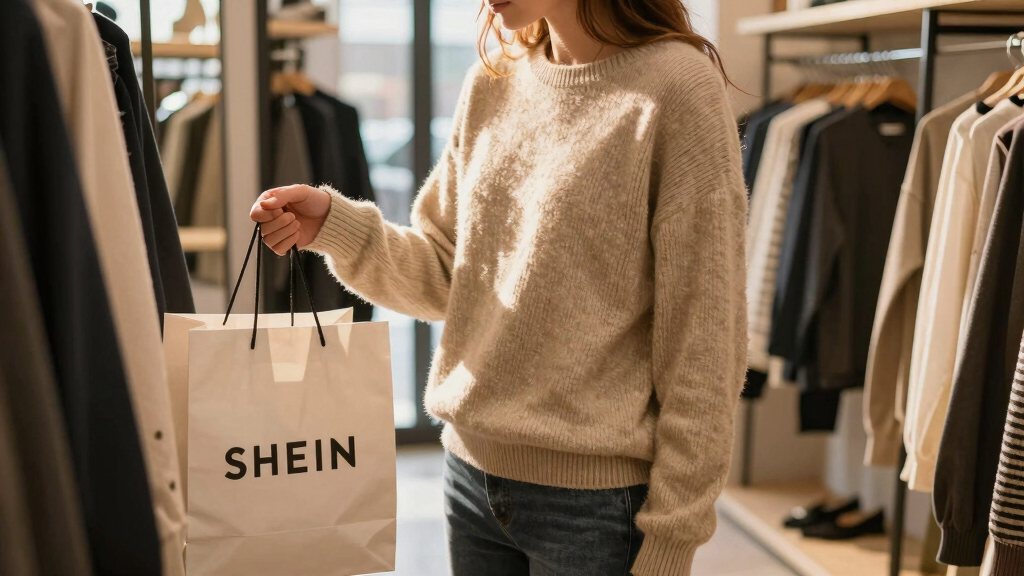
Shein has completed its acquisition of Everlane, a U.S. clothing retailer known for transparency. The deal, valued at around $100 million, reflects a broader trend of Chinese firms moving from low-cost manufacturing to owning recognizable brands. This development signals a strategic shift with implications for global commerce.
Shein has completed its acquisition of Everlane, a U.S.-based clothing retailer famed for its transparency and ethical branding, for an estimated $100 million, according to reports. Learn more about Shein’s acquisition of Everlane. This move underscores a strategic shift for Chinese e-commerce giants aiming to develop recognizable, premium brands rather than relying solely on low-cost manufacturing. Read why Shein buying Everlane makes sense.
The deal, confirmed by sources including Puck and reported by Wired, involves Shein purchasing Everlane, which was valued at approximately $250 million before financial struggles. The acquisition is part of a broader trend where Chinese companies are transitioning from flood-the-market low-cost goods to owning brands associated with quality and lifestyle, especially as tariffs and trade restrictions complicate their traditional business models.
Everlane, founded in 2010, built its reputation on transparency about production and ethical practices, appealing to millennial consumers seeking moral shopping options. Shein, meanwhile, became known for its ultra-fast, inexpensive fashion. The merger creates a juxtaposition of brand images but aligns with China’s push for higher-end manufacturing and global brand ownership, as exemplified by companies like Pinduoduo, Luckin Coffee, and Anta Sports.
Why It Matters
This acquisition is significant because it signals a strategic pivot for Chinese e-commerce and manufacturing firms toward building and owning global brands, moving beyond their traditional role as low-cost producers. It reflects China’s broader economic shift towards sustainable growth, higher quality, and global competitiveness, especially as trade policies evolve and tariffs are imposed. For Western consumers, it may mean more Chinese-owned brands with a reputation for quality entering the market.
ethical transparent clothing brands
As an affiliate, we earn on qualifying purchases.
As an affiliate, we earn on qualifying purchases.
Background
Historically, Chinese companies like Shein thrived by leveraging the de minimis loophole, allowing tariff-free entry of small packages into the U.S. and other Western markets. However, recent U.S. trade policy changes, including the end of this exemption, have challenged their traditional model. As a result, these companies are increasingly investing in brand development, aiming to establish themselves as premium or recognizable brands.
Other Chinese firms, such as Pinduoduo and Anta Sports, are actively acquiring or developing international brands to elevate their global standing. See how Chinese companies are expanding globally. Meanwhile, Everlane, once valued at $250 million, faced financial difficulties and declining relevance, making it a strategic acquisition for Shein to gain a foothold in the premium, ethically branded segment.
“Under Shein, Everlane’s ‘radical transparency’ means you get to read about the small child making your boring gray crewneck sweater.”
— Derek Guy, online menswear writer
“Our goal is to elevate manufacturing standards and create pathways for Chinese factories to move up the value chain.”
— Jiazhen Zhao, Pinduoduo co-CEO
premium sustainable fashion brands
As an affiliate, we earn on qualifying purchases.
As an affiliate, we earn on qualifying purchases.
What Remains Unclear
It is still unclear how Shein plans to integrate Everlane’s brand identity and ethical positioning into its broader business model, or how the acquisition will impact Everlane’s existing customer base. Details about the deal’s specific terms and future strategic plans remain undisclosed and are likely to develop over time.
As an affiliate, we earn on qualifying purchases.
What’s Next
Next steps include Shein’s integration process, potential rebranding efforts, and strategic positioning of Everlane within Shein’s portfolio. Monitoring how the combined entity approaches brand identity, sustainability, and market expansion will be critical in the coming months. Explore the implications of Shein’s acquisition.
As an affiliate, we earn on qualifying purchases.
Key Questions
Why did Shein acquire Everlane?
Shein aims to diversify and strengthen its brand portfolio by acquiring a recognizable, ethically positioned American brand, aligning with its strategic shift toward global brand ownership amid changing trade policies.
What does this mean for Everlane’s future?
Everlane may benefit from Shein’s resources to expand its reach, but it also faces the challenge of maintaining its ethical image while integrating into Shein’s fast-fashion model. The long-term impact remains to be seen.
How does this reflect broader trends in Chinese commerce?
This move exemplifies a broader shift where Chinese companies are moving beyond low-cost manufacturing to owning and developing global brands, driven by political, economic, and strategic factors.
Source: WIRED
Fall Picks
fall essentials
As an affiliate, we earn on qualifying purchases.