
📊 Full opportunity report: The Memory Squeeze: Why Your RAM Bill Doubled on ThorstenMeyerAI.com — validation score, market gap, and execution plan.

Get the latest gadgets delivered free — and shop member deals
- Fast, free delivery on millions of items
- Access to Prime Big Deal Days deals on October 6–7
- Prime Video, Amazon Music and more included
TL;DR
Memory prices have doubled or more in 2026 as chipmakers prioritize AI hardware over consumer RAM, leading to shortages and increased costs. The shift is driven by profitability and physics, not just supply issues.
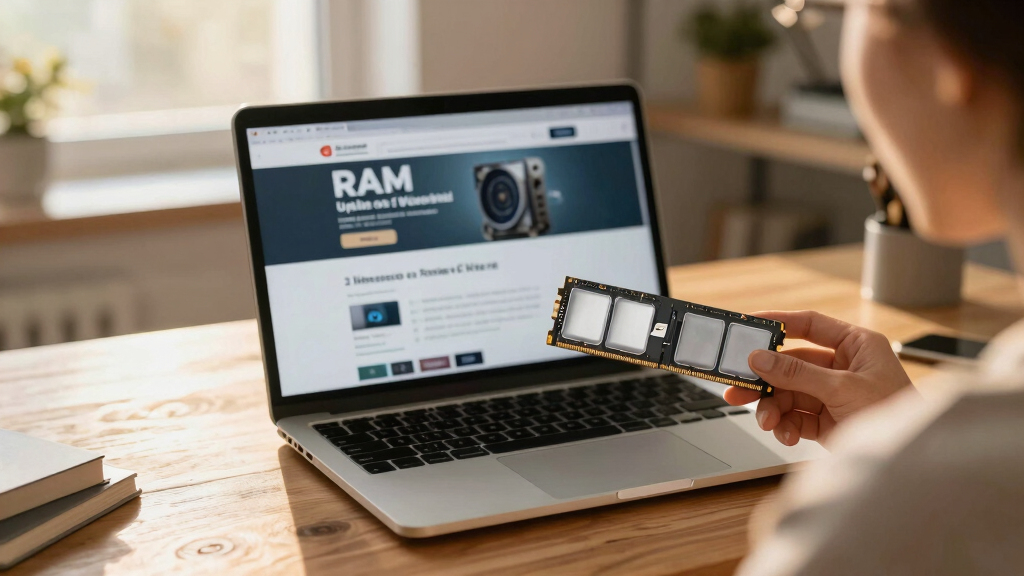
DRAM prices have roughly doubled or tripled in 2026, driven by a strategic shift in chip manufacturing capacity towards AI hardware, according to industry sources. This has resulted in a significant shortage of consumer memory modules, impacting PC builders and major brands alike. Asus enters the RAM market during the largest memory shortage in history, highlighting the ongoing supply issues.
Over the past year, the cost of a 32GB DDR5 kit has increased from about $80–$120 to roughly $375, while 64GB kits now often sell for over $600. This represents a three- to six-fold increase from late 2024 and early 2025 prices. Companies like HP report that memory now accounts for approximately 35% of total build costs, up from around 15–18% earlier in 2026.
The core issue is a reallocation of wafer capacity by three dominant manufacturers—Samsung, SK Hynix, and Micron—who now prioritize producing high-margin High Bandwidth Memory (HBM) for AI accelerators over standard consumer DRAM. For historical context on memory technology, see Jay Forrester’s pioneering work on computer RAM. HBM modules sell for $60–$100 each, compared to $5–$10 for DDR5, incentivizing manufacturers to shift production despite the physics making HBM more wafer-intensive. As a result, HBM now consumes about 23% of total DRAM wafer output, up from 19%, and AI is projected to absorb a fifth of all DRAM capacity in 2026.
This shift is not temporary; unlike past shortages that eased with increased capacity, this one is driven by deliberate strategic choices to maximize margins, with new fabs not expected to come online until 2027–2028. Industry insiders note that manufacturers are managing scarcity intentionally, prioritizing high-margin products and maintaining record profits. This strategic shift reflects the current squeeze on Chinese RAM supplies and global supply chain dynamics.
Why your RAM bill doubled
“Doubled” is the polite version — consumer DRAM is running 3–6× its 2024 lows. The boom-bust cycle that always brought cheap RAM back isn’t coming this time, because the factories that make your RAM now make something far more profitable instead.
HBM
This is the quiet tax on the whole AI era. Relief isn’t forecast before 2028, and even then prices may settle 30–50% above pre-crisis levels. Buy what you genuinely need now; don’t panic-buy capacity you won’t use. You can’t out-wait the fab math — but, as this series will show, you can shrink what you need. Next: HBM Ate the Fab.
Impacts of AI-Driven Memory Reallocation
This development signals a fundamental change in the memory market, where consumer RAM shortages are now a consequence of strategic capacity shifts rather than supply chain disruptions alone. The higher costs and limited availability will likely persist, affecting PC pricing, upgrade cycles, and the availability of affordable memory modules. It also raises questions about long-term market dynamics, competition, and the potential for counterfeit modules as scarcity drives demand.
As an affiliate, we earn on qualifying purchases.
2026 Memory Market and Capacity Reallocation
Historically, memory shortages have been alleviated by building more manufacturing capacity, leading to price drops. However, in 2026, the dominant chipmakers—Samsung, SK Hynix, and Micron—are intentionally redirecting wafer capacity toward AI hardware, specifically HBM, which yields higher profit margins. This strategic move is driven by the physics of wafer efficiency and the economics of higher-margin products, rather than supply chain disruptions or collusion. The industry’s capacity expansion plans are delayed until at least 2027, with existing capacity managing demand through strict allocation and long-term contracts.
Previous memory cycles saw prices fall as supply increased, but this time, the supply growth is limited, and demand from hyperscalers and enterprise AI customers remains high. The result is a persistent shortage that is unlikely to resolve quickly, with prices continuing to rise and consumer availability shrinking.
“Our focus is on serving enterprise and AI markets, which offer higher margins and long-term contracts.”
— Micron spokesperson
As an affiliate, we earn on qualifying purchases.
Unresolved Questions About Market Dynamics
While the physics and economics behind the capacity shift are clear, it remains uncertain whether any immediate or short-term measures could alleviate the shortage. It is also not yet confirmed if collusion or market manipulation plays a role, although authorities have not filed new antitrust cases against the major firms involved. The long-term impact on consumer memory prices and availability continues to evolve as manufacturers prioritize high-margin AI hardware over consumer products.
As an affiliate, we earn on qualifying purchases.
Future Developments in Memory Supply and Pricing
Manufacturers are expected to expand capacity gradually, but significant new fabs are not scheduled to produce at full volume until 2027–2028. Meanwhile, prices are likely to remain high or increase further, with consumers and PC builders facing ongoing shortages. Industry analysts will monitor whether new capacity will eventually shift back to consumer RAM or if the current trend persists. Long-term contracts and capacity management strategies will shape the market landscape through the next few years.
As an affiliate, we earn on qualifying purchases.
Key Questions
Will RAM prices ever return to normal levels?
It is uncertain when or if prices will return to pre-2026 levels, as capacity remains focused on higher-margin AI hardware, and new capacity expansions are delayed until at least 2027–2028.
Why are manufacturers prioritizing AI hardware over consumer RAM?
Because AI hardware, especially HBM, offers significantly higher profit margins per wafer, incentivizing manufacturers to allocate capacity accordingly despite the impact on consumer markets.
Are there any alternatives for consumers facing RAM shortages?
Consumers might consider using DDR4 modules, which are now priced similarly to DDR5, but DDR4 is nearing end-of-life, and future upgrades may be limited.
Could market manipulation be contributing to the current shortage?
While the dominant firms have a history of price-fixing, no recent antitrust actions are publicly confirmed in connection with the current prices, which are primarily driven by strategic capacity reallocation.
Source: ThorstenMeyerAI.com
Halloween Picks
halloween
As an affiliate, we earn on qualifying purchases.