
TL;DR

Get the latest gadgets delivered free — and shop member deals
- Fast, free delivery on millions of items
- Access to Prime Big Deal Days deals on October 6–7
- Prime Video, Amazon Music and more included
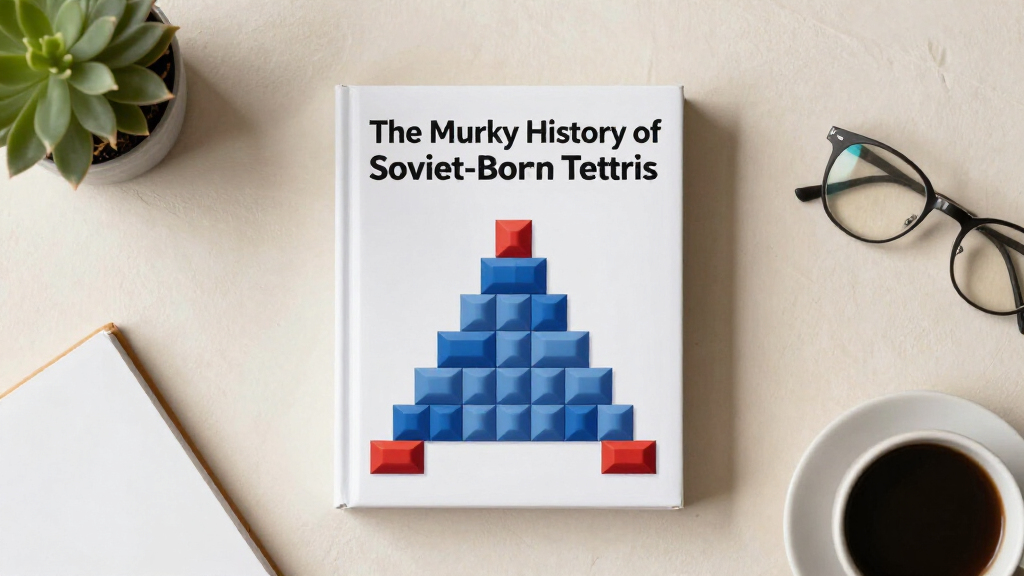
Search and coverage interest in the murky history of Soviet-born Tetris is spiking, according to trend data. The specific trigger for the renewed attention has not been confirmed, though the game’s tangled Soviet-era licensing saga and cultural legacy provide plausible context.
Search and coverage interest in the murky history of Soviet-born Tetris is spiking, according to trend data, even as the specific trigger for the renewed attention remains unconfirmed. The puzzle game, created in the Soviet Union in the mid-1980s, has long been the subject of fascination for its unlikely origins and its notoriously tangled licensing history.
Tetris was created in 1985 by Soviet computer scientist Alexey Pajitnov at the Dorodnicyn Computing Centre of the Soviet Academy of Sciences in Moscow. Working on an Electronika 60 computer, Pajitnov designed a puzzle game built around falling geometric blocks — tetrominoes — that players must arrange into complete horizontal lines. The name combines “tetra,” Greek for four, with “tennis,” Pajitnov’s favorite sport.
The game’s Soviet origins quickly became entangled in a complex licensing web. Because Pajitnov developed the game on state-owned equipment, the Soviet government claimed ownership of the rights. What followed was a years-long battle involving the Soviet foreign trade organization, British software company Andromeda, and Nintendo, among others. The rights were eventually consolidated, and Pajitnov emigrated to the United States in 1991, though he did not receive royalties from the early versions of the game for years.
Why Tetris’s Origin Story Still Matters
Tetris is one of the most recognizable video games in history, ported to nearly every computing platform ever made. Its origin story — a Soviet programmer creating a global phenomenon on state hardware — has become a defining chapter in video game history, illustrating how intellectual property disputes can shape the fate of a cultural product.
The game’s licensing saga also set a precedent for how video game rights are negotiated internationally. The battle between Soviet authorities, Western companies, and Nintendo helped establish the framework for cross-border game licensing that persists today. For readers, the story offers a window into how a simple puzzle game became a geopolitical and commercial flashpoint.
Top picks for "murky history soviet"
As an affiliate, we earn on qualifying purchases.
From Electronika 60 to Global Phenomenon
Tetris’s journey from a Moscow computer lab to global fame has been well documented over the decades. The game’s popularity exploded when Nintendo bundled it with the Game Boy in 1989, making it a cultural touchstone for millions of players. The rights dispute that preceded that deal has been the subject of books, documentaries, and legal analysis.
In 2023, the Apple TV+ film “Tetris,” starring Taron Egerton, dramatized the rights battle, introducing the story to a new generation. The film’s release reignited public interest in Pajitnov’s story and the murky circumstances under which the game left the Soviet Union. Anniversaries of the game’s creation and its various platform releases have also periodically driven renewed attention.
What Is Driving the Current Spike
The specific trigger for the current spike in search and coverage interest is unconfirmed. Trend data indicates rising attention, but no verified announcement, event, or release has been publicly tied to this surge. It is possible the interest is organic, driven by social media discussion, or linked to an upcoming anniversary or media project that has not yet been formally announced.
Details about the timing and geographic spread of the interest spike are also not yet available. Without a confirmed catalyst, any explanation for the surge remains speculative.
Watching for a Confirmed Catalyst
Whether the current spike leads to new announcements or developments remains to be seen. Observers will be watching for official statements from rights holders, media outlets, or platform holders that might explain the renewed attention. If the interest is tied to an upcoming release, anniversary, or documentary, that information is expected to surface in the coming days or weeks.
In the meantime, the enduring story of Tetris — a Soviet-born game that conquered the world — continues to capture public imagination, and any confirmed trigger for this latest wave of attention will likely be reported as it emerges.
Key Questions
Who created Tetris?
Tetris was created by Alexey Pajitnov, a Soviet computer scientist, in 1985 at the Dorodnicyn Computing Centre of the Soviet Academy of Sciences in Moscow.
Why is the history of Tetris described as murky?
The history is murky because Pajitnov developed the game on state-owned equipment, leading the Soviet government to claim ownership of the rights. This sparked a complex international licensing battle involving Soviet authorities, British companies, and Nintendo.
Did Alexey Pajitnov profit from Tetris?
Pajitnov did not receive royalties from the early versions of the game for years, despite its massive commercial success. He emigrated to the United States in 1991, and his financial situation improved only later.
Is the current interest tied to a new release or announcement?
The trigger for the current spike in interest is unconfirmed. No verified announcement, release, or event has been publicly linked to the surge in search and coverage activity.
What platforms has Tetris appeared on?
Tetris has been ported to nearly every computing platform ever made, from the Nintendo Game Boy to modern smartphones and consoles, making it one of the most widely played video games in history.
Source: hn
Fall Picks
fall essentials
As an affiliate, we earn on qualifying purchases.