TL;DR

Get the latest gadgets delivered free with Prime
- Fast, free delivery on millions of items
- Prime Video, Amazon Music and more included
- Member-only deals all year
Vietnamese workers are crucial to Japan’s manufacturing sector, leveraging strong Japanese language skills. However, concerns over AI development and policy issues threaten their long-term prospects at home. The situation highlights both economic dependency and emerging risks.
Vietnam’s workforce has become essential to Japan’s manufacturing industry, with Vietnamese workers filling critical technical roles, but experts warn that rising artificial intelligence risks and policy challenges at home threaten their future prospects.
According to Japanese consulting firm ABeam Consulting, Vietnam has gained a significant edge in supplying skilled labor for Japan’s industries, especially in manufacturing sectors such as electronics and automotive parts. Vietnamese workers often possess strong Japanese language skills, which facilitate integration into Japanese companies and contribute to the competitiveness of Japanese firms operating in Vietnam.
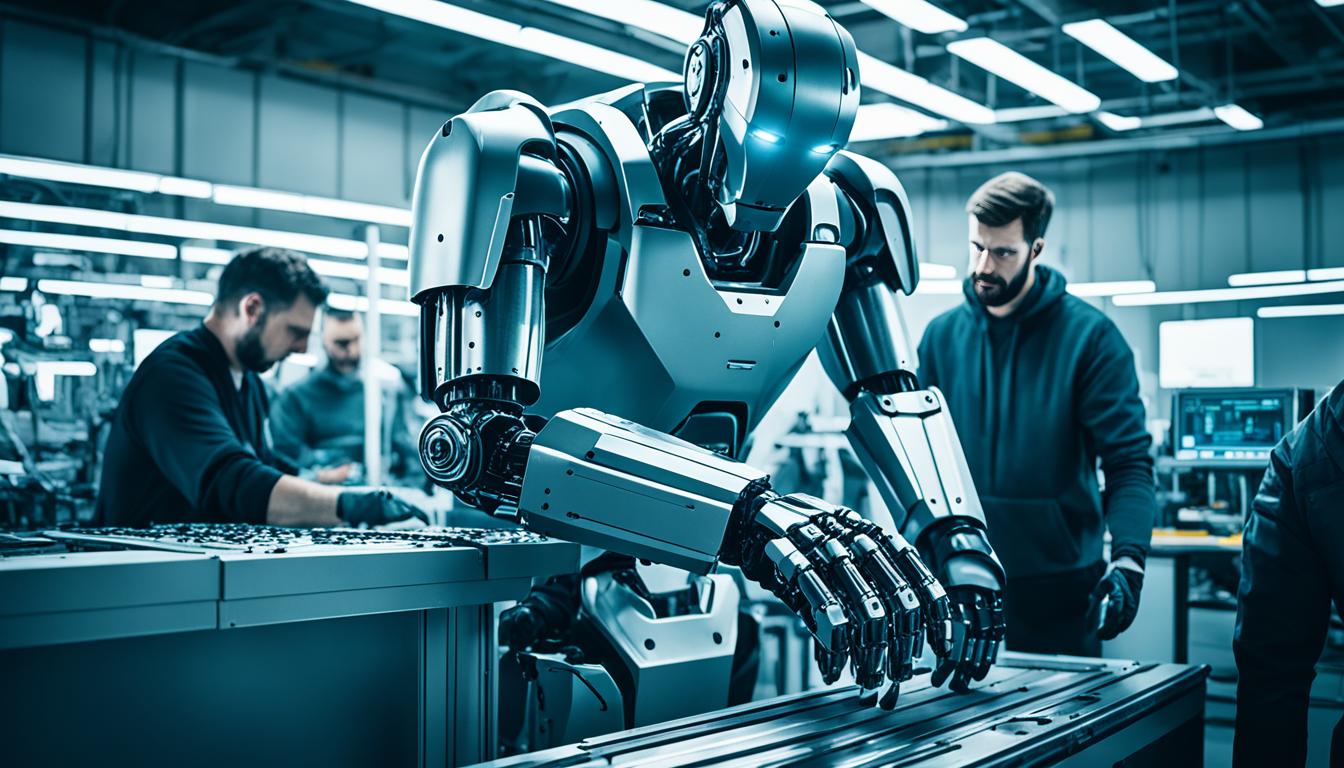
However, the report highlights potential long-term threats, including the rapid development of artificial intelligence technologies that could automate roles traditionally filled by Vietnamese workers. Additionally, visa policies and rising operational costs in Vietnam pose hurdles for maintaining and expanding this workforce. ABeam Consulting’s analysts emphasize that these factors could diminish Vietnam’s role as a vital labor supplier in the future.
Why It Matters
This situation matters because Vietnam’s labor contribution is a key factor in Japan’s manufacturing competitiveness and economic stability. If AI development accelerates and policy issues persist, Japan may face reduced access to Vietnamese skills, impacting supply chains and economic growth. For Vietnamese workers, these developments could mean job insecurity and the need to adapt to new technological environments.
Products Worth Considering

EcoFlow Delta 3 Max Portable Power Station with 220W Solar Panel, 2048Wh

Apple AirPods Pro (2nd Generation) Wireless Earbuds with USB‑C Charging, Up to 2X More Active Noise Cancelling, Transparency Mode, Adaptive

Apple AirPods Pro 3 Wireless Earbuds with Active Noise Cancellation
As an affiliate, we earn on qualifying purchases.
Background
Vietnam has become a major source of technical trainees and workers for Japan over the past decade, driven by Japan’s aging population and labor shortages. The Vietnamese workforce is valued for their technical skills and Japanese language proficiency, which have helped sustain industries such as electronics, automotive, and machinery manufacturing. Meanwhile, Japan has implemented policies to encourage foreign labor, including Vietnamese workers, but faces challenges related to visa regulations and rising costs in Vietnam. The rise of artificial intelligence and automation technologies globally introduces new risks that could reshape labor markets in both countries.
“Vietnamese workers are a vital part of Japan’s supply chain, but the rapid advancement of AI could change the landscape dramatically in the coming years.”
— Abe Takashi, senior analyst at ABeam Consulting
“Visa hurdles and rising operational costs are becoming significant barriers to maintaining our Vietnamese workforce.”
— Japanese industry official, requesting anonymity
What Remains Unclear
It remains unclear how quickly AI technologies will impact Vietnamese employment in Japan, and whether policy reforms in Vietnam will effectively address visa and cost issues. The exact timeline for these shifts is still uncertain, and the extent of their impact is being monitored.
What’s Next
Next steps include monitoring policy developments in Vietnam, technological advancements in AI, and changes in visa regulations. Japanese companies and Vietnamese authorities are expected to adapt strategies accordingly, with potential shifts in labor sourcing and automation plans over the coming months.
Key Questions
How important are Vietnamese workers to Japan’s economy?
Vietnamese workers are crucial for Japan’s manufacturing sector, especially in electronics and automotive industries, due to their technical skills and language proficiency.
What risks does AI pose to Vietnamese workers in Japan?
AI and automation could replace roles currently filled by Vietnamese workers, potentially reducing their employment opportunities in Japan over time.
What policy challenges are Vietnamese workers facing?
Vietnamese workers face visa hurdles and rising operational costs, which could limit their ability to work in Japan long-term.
Will Vietnam’s role as a labor supplier decline?
It is uncertain; while current dependence is high, AI development and policy issues could diminish Vietnam’s role in the future.