🔍 Read the full analysis: We Made An AI Horror-Comedy In One Night. Here’s What Changed on ThorstenMeyerAI.com

Get the latest gadgets delivered free with Prime
- Fast, free delivery on millions of items
- Prime Video, Amazon Music and more included
- Member-only deals all year
TL;DR
Thorsten Meyer says his 97-second AI horror-comedy Hollow House was made overnight on October 27–28, 2026, after three versions. The key change was editorial: the final version used three longer generated segments but cut at a much faster pace, following an initial version the creator judged boring despite its polished images.
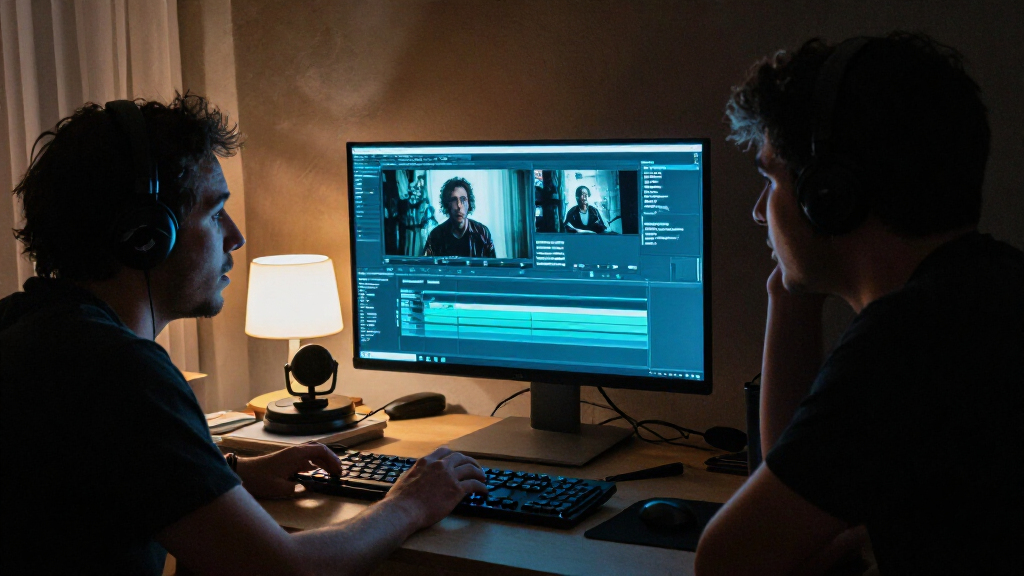
Thorsten Meyer says he made Hollow House, a 97-second AI-generated horror-comedy, overnight on October 27–28, revising it through three versions after deciding the first cut looked polished but played as boring. His account, published October 28 on ThorstenMeyerAI.com, describes a production in which editing rhythm and human decisions mattered more to the final result than generating attractive images.
The short’s premise puts a real ghost among the staff of an extreme haunted attraction. When a guest says the safe word “cotton candy”, the scares do not stop; the workers gradually realise the tall figure holding the guest is not part of their crew. The shift lead responds by asking whether the newcomer signed a waiver. Meyer describes the film as a horror-comedy and says its characters, voices and sets are AI-generated.
The production moved from 20 individual shots running 2 minutes 15 seconds, to a second version of 66 fast cuts lasting 2 minutes 21 seconds, and then to the final 97-second cut. For that final version, Meyer says, three roughly 30-second segments were generated using one model with the whole cast supplied as references. He identifies the third version as the one that worked, though his article does not provide independent evaluation of the film or its reception.
Meyer reports spending 2,220 Higgsfield credits across the three versions, which he estimates at about $95 at his plan price. He also says the production used about 2,100 ElevenLabs characters for music and sound effects. Character reference images were made with Google’s Nano Banana 2 through Higgsfield; the first version’s still images were animated with Google’s Veo 3.1 fast mode. These details and cost figures are the creator’s account.
We Made an AI Horror-Comedy in One Night. Here’s What Changed
Three versions took Hollow House from polished but “terribly boring” to a 97-second horror-comedy. The creator says the decisive change was the edit: faster pacing, a new generation setup, and human choices at every turn.
01 / Three cuts, one night
The version history
The final cut is shorter than either earlier version. Meyer says he recognized the pacing problem after watching the first edit.
Polished, but flat
Twenty planned shots, with generated start frames animated into clips.
2:155.6 seconds per shot on averageMore cuts, still longer
Sixty-six fast cuts reshaped the rhythm, but the overall runtime increased.
2:2166 cuts across the versionThree generated segments
One model received references for the whole cast; the edit moved at a much faster pace.
1:37The version Meyer says worked02 / The timing problem
Why the first cut fell flat
Meyer compared his first edit with the short that inspired the project. Both figures come from his account.
The first cut averaged 5.6 seconds per shot. Meyer says the short that inspired Hollow House averaged about 1.8 seconds per image. He concluded that the issue was comic and horror timing, not a lack of attractive frames.
Reference images for continuity
Before video generation, Meyer made one image for each of eight characters. He reports that each 2K image cost two credits and all eight took under two minutes. The references helped guide hair and costume details across clips.
Tools still needed human checks
In the first workflow, Veo 3.1 fast mode animated the start frames. Whisper helped check spoken clips against the script, catching “HEY!” rendered as “H-E-Y” and flagging a garbled final line for a retake.
03 / What the workflow involved
Generation did not make the decisions
The production account describes AI-generated elements alongside hands-on direction, revision and finishing.
“terribly boring and amateurish”
“Did you even sign the waiver?”
“cotton candy”
What Meyer says AI generated
The characters, voices and sets were AI-generated. Character reference images were made with Google’s Nano Banana 2 through Higgsfield; first-version stills were animated with Google’s Veo 3.1 fast mode.
What Meyer says he decided
He rejected the first cut, changed the generation setup, checked dialogue, requested retakes, adjusted pacing and applied the final colour grade. He also reports that some requested actions—such as a backward bridge pose or a guest being lifted—did not come out as intended.
04 / Reading the evidence
What this account leaves open
The source is the creator’s first-person production account, published October 28, 2026.
- No independent review, audience figures or measured response to the revised cut are provided.
- The reported cut-duration comparison has no described formal counting method.
- The account does not specify which model generated each final segment or the full extent of editing between generations.
- The roughly $95 estimate reflects Meyer’s plan price; costs may differ on other plans.
05 / Trace the production
From cast references to final cut
A compact map of the sequence Meyer describes; some production details are reported estimates.
06 / Key questions
The short, the cost, the claims
What is Hollow House?
A 97-second horror-comedy about a real ghost among the staff at an extreme haunted attraction. Meyer says the characters, voices and sets were AI-generated.
How many versions were made?
Three: a 20-shot, 2:15 cut; a 66-cut, 2:21 version; and the final 1:37 short assembled from three generated segments.
What changed between the first and final versions?
The final cut was shorter and faster-paced, and used a different generation setup with the whole cast supplied as references to one model. Meyer identified pacing as the main issue.
How much did production cost?
Meyer reports 2,220 Higgsfield credits, estimated at about $95 at his plan price, plus roughly 2,100 ElevenLabs characters for music and sound effects.
Does it prove AI can make films without people?
No. The account describes human choices about the script, revisions, pacing, retakes and final colour grade alongside generated elements.
What evidence might come next?
Additional production notes or audience response could help show whether the faster pacing and shared cast references mattered beyond this single project.
Why the First Cut Fell Flat
Meyer’s account points to a practical distinction in AI-assisted filmmaking: generating consistent, attractive frames did not by itself produce an effective short. He says the first cut averaged 5.6 seconds per shot, while the short that inspired it averaged about 1.8 seconds per image. On that comparison, he concluded that the film’s central problem was not its look but its comic and horror timing.
The change is relevant to creators considering generative video tools because it shows how iteration can shift effort away from prompting alone. Meyer says he made the decisive calls: rejecting the first version, changing the workflow to give one model references for the whole cast, and applying the final colour grade. This is an individual production account, not evidence that the same approach will reliably work for other films, but it illustrates that editing, continuity and sound remain hands-on concerns even when images and performances are generated.
Products Worth Considering

Bose S1 Pro+ Portable PA Speaker

Sonos Era 100 SL Compact Microphone-Free Speaker, Black

Jackery Explorer 300 Portable Power Station with 40W Solar Panel
As an affiliate, we earn on qualifying purchases.
From Character Sheets to Final Cut
Before generating video, Meyer made one reference image for each of the film’s eight characters. He says each 2K image cost two credits and all eight were completed in under two minutes. The purpose was to give later shots a stable visual guide for details such as hair and costume, which can change between generated clips. Meyer describes those reference sheets as a substitute for some of the continuity work involved in casting and costume design.
In the first workflow, he planned 20 shots, generated a start frame for each using the character references, and animated those frames with Veo 3.1. He says the model produced speech and sound alongside the visuals. A speech-recognition pass using OpenAI’s Whisper helped him check the clips against the script: it caught a shouted “HEY!” rendered as the letters “H-E-Y” and helped identify a garbled final line that needed a retake.
The article also records limits he encountered: a head-turning effect repeatedly moved the character’s whole body, a requested backward bridge pose came out differently, and a first attempt to show a guest being lifted was blocked. Meyer says he rephrased that action as floating, but the result showed little lift. These are his reported outcomes from this project, not a general test of the tools.
““terribly boring and amateurish””
— Thorsten Meyer, describing his first cut
What the Production Account Leaves Open
The article is a first-person account by the film’s creator. It does not include an independent review, audience figures or evidence that viewers responded differently to the revised cut. The claimed comparison with the short that inspired the project is also Meyer’s measurement; the source does not identify a formal method for counting cuts or timing them.
It is not clear from the account exactly which model generated each of the final three segments, how much human editing was done between generations, or how the reported credit estimate would translate to other subscription plans. The source says the film was inspired by a horror-comedy short shared on X, while Meyer says the script, characters and jokes are original; it does not name the earlier short in the provided material.
Where the Workflow Goes From Here
Meyer’s article presents the finished short and its behind-the-scenes materials, including character sheets, start frames, failed attempts and a contact sheet of the final cut. The film is identified as Hollow House | A Halloween Horror-Comedy Short and runs 1:37. The source does not announce a follow-up film, a release schedule or further testing of the workflow.
For readers, the next evidence to watch for would be any additional production notes or audience response that could show whether the faster pacing and shared cast references made a difference beyond this one project. For now, the confirmed development is the publication of Meyer’s account and short; broader claims about AI filmmaking remain outside what this single production establishes.
Key Questions
What is Hollow House?
Hollow House is a 97-second horror-comedy about a real ghost joining the staff of an extreme haunted attraction. Meyer says its characters, voices and sets were AI-generated.
How many versions did Meyer make?
Meyer describes three versions: a 20-shot, 2-minute-15-second cut; a 66-cut, 2-minute-21-second version; and the final 97-second short made from three generated segments.
What changed between the first and final versions?
The first version used longer individual shots and was judged boring by Meyer. The final version was shorter and used a different generation setup, with the full cast supplied as references to one model. Meyer says pacing was the main problem he identified.
How much did the AI production cost?
Meyer reports using 2,220 Higgsfield credits, which he estimates at about $95 at his plan price, plus roughly 2,100 ElevenLabs characters for music and sound effects. Those figures are his reported project costs.
Does the project prove AI can make films without human input?
No. The source describes AI-generated characters, voices and sets, but also emphasizes human decisions about the script, revisions, pacing, retakes and final colour grade. It documents one creator’s process rather than establishing a general result.
Source: ThorstenMeyerAI.com