
TL;DR

Get the latest gadgets delivered free with Prime
- Fast, free delivery on millions of items
- Prime Video, Amazon Music and more included
- Member-only deals all year
Memory prices are plateauing at high levels not because supply has increased, but because buyers are unable to afford more. This challenges the narrative that AI hardware costs are easing, with implications for industry planning and procurement.
Memory prices are not decreasing; instead, their growth has slowed due to buyer demand exhaustion, not increased supply, according to recent industry data. This development challenges the narrative that AI hardware costs are easing and has significant implications for manufacturers and infrastructure planning.
Recent survey data from TrendForce indicates that conventional DRAM contract prices increased by only 13–18% quarter-over-quarter in Q3 2026, down from approximately 60% in Q2. This moderation is attributed to demand destruction among consumer electronics makers, who have reached their affordability limits after months of rising prices.
Despite the slowdown, supply remains tight; HBM memory, critical for AI accelerators, is sold out through 2026, with major manufacturers like Samsung, SK Hynix, and Micron having booked their entire capacity for the year. The industry continues to face a structural reallocation of wafer capacity towards high-bandwidth memory, which has driven record price surges for DDR5 and DDR4 chips.
Analysts warn that the current price plateau is not a sign of supply easing but a market at a heightened demand threshold. Prices remain high, and supply shortages are expected to persist into late 2027, with some sources advising clients to plan for continued increases rather than declines.
Impacts of Demand-Driven Price Stabilization
This trend indicates that memory costs for AI hardware will likely remain high for the foreseeable future, affecting the economics of AI deployment and infrastructure investments. Buyers are facing a cost squeeze that may slow hardware upgrades and impact the scalability of AI projects.
Furthermore, the narrative that the memory market is recovering due to increased supply is challenged. Instead, the industry is experiencing a market plateau caused by demand exhaustion, which has implications for procurement strategies and industry forecasts.
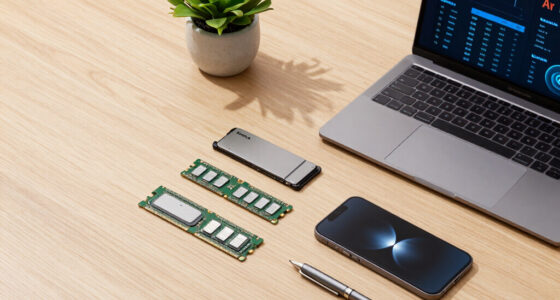
High bandwidth memory (HBM) for AI accelerators
As an affiliate, we earn on qualifying purchases.
As an affiliate, we earn on qualifying purchases.
Memory Market Dynamics and Industry Shifts
Over the past year, the industry has seen record surges in memory prices driven by a shift of wafer capacity toward high-bandwidth memory for AI accelerators. Major manufacturers have prioritized HBM, which has a higher margin but is in extremely short supply, effectively removing large portions of DDR5 and DDR4 from the market.
This reallocation has caused historic price increases for PC DRAM, DDR5, and NAND flash, with some prices rising over 200% in 2025. Despite this, recent data shows that price increases are now slowing, but not because supply has caught up—demand is simply exhausted.
Analysts and industry insiders describe this as a permanent reallocation rather than a temporary cycle, with relief not expected before late 2027, when new manufacturing capacity comes online.
“OEM clients should plan for 10–20% monthly increases through year-end, not declines.”
— supply-chain advisory
DDR5 RAM for gaming and AI hardware
As an affiliate, we earn on qualifying purchases.
As an affiliate, we earn on qualifying purchases.
Unclear Duration of Demand Exhaustion Effect
It remains uncertain how long demand exhaustion will persist and whether supply constraints will ease sooner than expected. The industry consensus suggests relief is unlikely before late 2027, but actual market dynamics could vary based on technological shifts or new capacity additions.
Memory modules for AI server builds
As an affiliate, we earn on qualifying purchases.
As an affiliate, we earn on qualifying purchases.
Industry Adaptation and Procurement Strategies
Manufacturers and buyers should prepare for continued high memory prices and supply shortages into late 2027. Strategic procurement—such as locking in prices early and buying minimum capacity—will be crucial. Additionally, innovations that reduce memory demand could influence future market dynamics.
As an affiliate, we earn on qualifying purchases.
Key Questions
Will memory prices ever decrease again?
Based on current industry analysis, prices are unlikely to decrease significantly before late 2027 due to persistent demand exhaustion and supply constraints.
Why are memory prices slowing down if supply is tight?
The slowdown is primarily due to buyers reaching their spending limits, not because supply has increased. Demand has plateaued at high levels, creating a demand-side squeeze.
How does this affect AI hardware costs?
High memory prices will likely keep AI hardware costs elevated, impacting deployment timelines and infrastructure planning for AI projects.
What should companies do in response?
Companies should plan for sustained high costs, lock in prices early, and consider architectures that use less memory to mitigate future expenses.
Source: ThorstenMeyerAI.com
Fall Picks
fall essentials
As an affiliate, we earn on qualifying purchases.