
The best MacBook for most people in this lineup is the 13-inch MacBook Air with M5: it balances portability, everyday performance, and a useful 512GB SSD. For a larger screen without moving to a Pro, the 15-inch MacBook Air with M5 is a strong fit, while the 14-inch MacBook Pro with M5 Pro suits heavier creative work and sustained workloads. Your main tradeoffs are screen size versus portability, Air simplicity versus Pro features, and lower starting memory versus room to keep demanding apps running smoothly. This comparison includes current M5 models, higher-memory Air configurations, powerful Pro laptops, and older renewed Macs, each with different compromises. Read on for the full breakdown and a guide to choosing the right MacBook for your work and budget.

Get the latest gadgets delivered free — and shop member deals
- Fast, free delivery on millions of items
- Access to Prime Big Deal Days deals on October 6–7
- Prime Video, Amazon Music and more included
Complete the kit



Key Takeaways
- The 13-inch M5 MacBook Air with 16GB memory and a 512GB SSD is the most balanced pick. It combines a portable design with enough storage and memory for typical study, office, and home use.
- The 15-inch M5 Air is the screen-space choice, not a performance upgrade. Choose it for a roomier workspace; choose the 13-inch model if a smaller carry is more valuable.
- Memory upgrades matter more when workloads grow than when app lists look impressive. The 24GB and 32GB Air configurations suit heavier multitasking, while most everyday buyers can prioritize a sound base configuration.
- Pro models earn their place through demanding workloads and display needs. M5 Pro configurations, the 16-inch chassis, and the M3 Pro option are better matched to sustained creative or technical work than routine browsing.
- Renewed M1 and M4 models trade a lower-cost route for age and condition uncertainty. Their chip generation, smaller storage options, and renewed status call for careful checks before choosing them over a newer Air.






| MacBook | Display | Memory | Storage | Weight |
|---|---|---|---|---|
| Apple 2024 MacBook Pro 16-inch | 16.2-inch Liquid Retina XDR, 3456 × 2234 pixels | 24GB | 512GB SSD stated; listing also has conflicting hard-drive information | 2.14 kg |
| Apple MacBook Air 15-inch Lapt | 15.3-inch Liquid Retina | 16GB unified memory | 512GB SSD | 3.32 pounds |
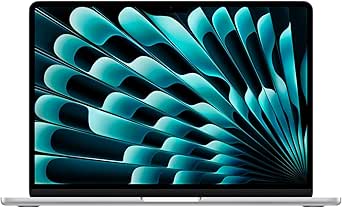
| Apple MacBook Air 13-inch with | 13.6-inch Liquid Retina | 16GB unified memory | 512GB SSD | 2.71 pounds |
| Apple MacBook Air | 13.3-inch LED, 2560 × 1600 pixels, 60 Hz | 8GB | 256GB SSD | 3.8 pounds |
| Apple 14.2-inch MacBook Pro wi | 14.2-inch Liquid Retina XDR | 16GB unified memory | 512GB SSD | — |
| Apple 13-inch MacBook Air with | 13.6-inch Liquid Retina (listing also contains a conflicting 14.2-inch screen detail) | 24GB | 512GB SSD | 3.9 pounds |
| Apple MacBook Pro 14.2-inch wi | 14.2-inch Liquid Retina XDR with nano-texture glass | 24GB | 1TB SSD | 5.5 pounds |
| Apple MacBook Neo 13-inch Lapt | 13-inch Liquid Retina | 8GB unified memory | 512GB SSD | 2.71 pounds |
| Apple MacBook Pro 2024 14-inch | 14-inch Liquid Retina XDR, 3024 × 1964 pixels | 16GB DDR5 SDRAM | 512GB SSD | — |
| Apple 16.2-inch MacBook Pro wi | 16.2-inch Liquid Retina XDR | 24GB unified memory | 1TB SSD | 4.71 pounds |
| Apple MacBook Air | 13.3-inch Retina, 2560 × 1600 | 8GB | 128GB SSD | 2.8 pounds |
| Apple MacBook Air 15-inch with | 15.3-inch Liquid Retina, listed resolution 2880 × 1864 | 32GB | 512GB SSD | 1.51 kg |
| Apple 14.2-inch MacBook Pro wi | 14.2-inch Liquid Retina XDR | 16GB unified memory | 1TB SSD | 3.41 pounds |
| Apple MacBook Air 13-inch Lapt | 13.6-inch Liquid Retina, 2560 × 1664 | 32GB unified memory | 1TB SSD | 1.23 kg |
| Apple 2023 MacBook Pro Laptop | 16.2-inch Liquid Retina XDR, 3456 × 2234 | 18GB unified memory | 512GB SSD | 8.3 pounds as listed |
More Details on Our Top Picks
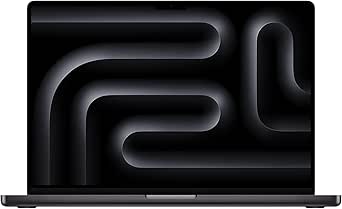
Apple 2024 MacBook Pro 16-inch with M4 Pro, 24GB RAM, 512GB SSD, QWERTY Keyboard (Renewed)
The 16-inch MacBook Pro with M4 Pro suits video editors, developers, and other buyers who need a large workspace alongside sustained processing power. Its Liquid Retina XDR display and broad port selection make it more ready for desk-based production than either the 13-inch or 15-inch MacBook Air with M5, while the 24GB of memory gives demanding projects more room than the 16GB Air configurations here. That extra capability comes with a larger, heavier 2.14 kg chassis, so it is less convenient to carry every day. This is also a renewed model, meaning condition may vary; the listing additionally conflicts on storage capacity, although the stated configuration is 512GB SSD. I’d choose it for screen space and connectivity, but verify the storage details before buying.
Pros:- M4 Pro chip and 24GB memory are suited to demanding workloads
- Large 16.2-inch Liquid Retina XDR display offers substantial workspace
- Thunderbolt 5, HDMI, and SDXC reduce reliance on adapters
- 12MP Center Stage camera supports video calls
Cons:- Renewed condition may vary
- Listing has conflicting storage information
- Heavier than either MacBook Air in this batch
Best for: Video editors, software developers, and other creative professionals who want a large display, 24GB of memory, and built-in production ports.
Not ideal for: Frequent travelers seeking a light laptop, or buyers who need a new device or a clearly confirmed storage configuration.
- Model year:2024
- Display:16.2-inch Liquid Retina XDR, 3456 × 2234 pixels
- Processor:Apple M4 Pro
- Memory:24GB
- Storage:512GB SSD stated; listing also has conflicting hard-drive information
- Ports:Three Thunderbolt 5, MagSafe 3, SDXC, HDMI, headphone jack
- Camera:12MP Center Stage
- Weight:2.14 kg
- Condition and color:Renewed, Space Black
Our verdict“Choose this renewed Pro for a large-screen creative workstation, but skip it if portability or unambiguous condition and storage details matter most.”
Apple MacBook Air 15-inch Laptop with M5 Chip, 16GB Memory, 512GB SSD, Liquid Retina Display, and Center Stage Camera (Midnight)
The 15-inch MacBook Air with M5 is the sensible pick for buyers who want a roomy screen without stepping up to the heavier 16-inch MacBook Pro. Its 15.3-inch Liquid Retina display gives documents, spreadsheets, and side-by-side windows more space than the 13-inch Air, while the 3.32-pound fanless design keeps it easier to carry than the Pro. Up to 18 hours of stated battery life and a Center Stage camera also suit long days split between work and calls. The tradeoff is a leaner connection selection: two Thunderbolt 4 ports and a headphone jack, with MagSafe for charging, versus the Pro’s HDMI and SDXC ports. I’d pick this Air for everyday work and a larger canvas, not for buyers who need extensive built-in connectivity or Pro-class sustained performance.
Pros:- 15.3-inch display provides more workspace than the 13-inch MacBook Air
- Lightweight design for a large-screen laptop
- Up to 18 hours of stated battery life
- 12MP Center Stage camera and support for up to two external displays
Cons:- Only two Thunderbolt 4 ports, plus headphone jack and MagSafe charging
- 16GB memory may be limiting for demanding professional projects
- Does not offer the MacBook Pro’s listed HDMI and SDXC ports
Best for: Students, remote workers, and home-office users who want a big screen for multitasking but still carry their laptop regularly.
Not ideal for: Video professionals or desk-based users who depend on HDMI, SDXC, and a broader set of built-in ports.
- Chip:Apple M5
- Display:15.3-inch Liquid Retina
- Memory:16GB unified memory
- Storage:512GB SSD
- Battery life:Up to 18 hours
- Camera:12MP Center Stage
- Wireless:Wi-Fi 7, Bluetooth 6
- Ports:Two Thunderbolt 4, MagSafe charging, headphone jack
- Weight:3.32 pounds
Our verdict“Choose this Air if you want a portable, large-screen everyday MacBook; pick a Pro instead if you need built-in media ports or heavier-workload capacity.”
Apple MacBook Air 13-inch with M5 chip, 16GB memory, 512GB SSD, and Liquid Retina display
For buyers who value a light bag over a wide workspace, the 13-inch MacBook Air with M5 is the most portable current-generation option in this batch. At 2.71 pounds, it is easier to carry than the 15-inch Air and far lighter than the 16-inch MacBook Pro, yet it retains the same M5 chip, 16GB of unified memory, and 512GB SSD as the larger Air configuration here. Its 13.6-inch Liquid Retina display is well suited to everyday browsing, study, and office work, and the stated battery life reaches up to 18 hours. The compact footprint does mean less room for split-screen work; the 15-inch Air is a better fit if screen area matters more. Like that model, this one has just two Thunderbolt 4 ports, so multi-device setups may need a hub.
Pros:- Light 2.71-pound design is easy to carry
- M5 chip, 16GB memory, and 512GB SSD suit a wide range of everyday work
- Up to 18 hours of stated battery life
- 12MP Center Stage camera and support for up to two external displays
Cons:- 13.6-inch screen provides less workspace than the 15-inch MacBook Air
- Two Thunderbolt 4 ports may require a hub for peripherals
- Memory and storage are limited to the listed configuration
Best for: Students, commuters, and mobile professionals who want a current M5 MacBook for everyday tasks in a compact, light design.
Not ideal for: Buyers who regularly work across several windows or need HDMI, SDXC, or more built-in ports.
- Chip:Apple M5
- Display:13.6-inch Liquid Retina
- Memory:16GB unified memory
- Storage:512GB SSD
- Battery life:Up to 18 hours
- Camera:12MP Center Stage
- Wireless:Wi-Fi 7, Bluetooth 6
- Ports:Two Thunderbolt 4, MagSafe charging, headphone jack
- Weight:2.71 pounds
Our verdict“Pick this model for a portable everyday MacBook, and choose the 15-inch Air if a larger built-in workspace is worth the added size.”
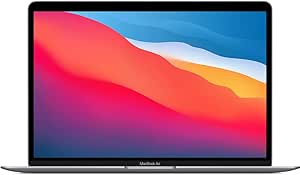
Apple MacBook Air (Late 2020) 13.3-inch, M1, 8GB RAM, 256GB SSD, Space Gray (Renewed)
This renewed 2020 MacBook Air with M1 is the entry-level choice for buyers whose needs are limited to browsing, email, writing, and video calls. Its 13.3-inch 2560 × 1600 display and backlit keyboard make it a practical everyday laptop, while the listed battery life reaches up to 18 hours. Compared with the current 13-inch Air with M5, however, it has 8GB rather than 16GB of memory and half the listed SSD capacity, leaving less room for heavy multitasking and large files. Its age and renewed condition also make it a less reassuring choice for someone planning demanding work or a long device lifespan; the listing specifies a 90-day limited warranty. I’d consider it only when basic use is the priority and the limited memory and storage are acceptable.
Pros:- M1 chip is suitable for basic everyday computing
- 13.3-inch display has a 2560 × 1600 resolution
- Backlit keyboard and stereo speakers support daily use
- Listed battery life reaches up to 18 hours
Cons:- 8GB memory and 256GB SSD constrain multitasking and file storage
- Renewed condition may vary
- 90-day limited warranty is specified
Best for: Budget-conscious students or household users who need a MacBook for web browsing, writing, email, and streaming.
Not ideal for: Creative professionals, heavy multitaskers, or buyers who want a newer model with more memory, storage, and a longer support horizon.
- Model:MacBook Air (Late 2020)
- Processor:Apple M1, 8-core
- Display:13.3-inch LED, 2560 × 1600 pixels, 60 Hz
- Memory:8GB
- Storage:256GB SSD
- Battery life:Up to 18 hours
- Connectivity:Wi-Fi 6, Bluetooth 5, Thunderbolt
- Condition and warranty:Renewed; 90-day limited warranty
- Weight:3.8 pounds
Our verdict“Choose this renewed M1 Air only for basic tasks and a constrained budget; the M5 Air is the stronger fit for heavier or longer-term use.”
Apple 14.2-inch MacBook Pro with M5, 10-Core CPU and GPU, 16GB Memory, 512GB SSD, Space Black
The 14.2-inch MacBook Pro with M5 is the middle ground for buyers who want a Pro display and useful built-in ports without the size of the 16-inch M4 Pro model. Its Liquid Retina XDR screen reaches up to 1600 nits peak brightness, and the mix of three Thunderbolt 4 ports, HDMI, SDXC, and MagSafe makes it better suited to camera cards and external displays than either MacBook Air. The M5 chip, 10-core CPU and GPU, and support for up to two external displays cover demanding everyday work, though this configuration’s 16GB memory and 512GB SSD are less generous than the 24GB and 512GB offered by the 16-inch M4 Pro. I’d choose this for portability and connectivity, but buyers with memory-heavy projects should look toward a higher-memory Pro configuration.
Pros:- Liquid Retina XDR display with up to 1600 nits peak brightness
- M5 chip with 10-core CPU and 10-core GPU
- Three Thunderbolt 4 ports, HDMI, SDXC, and MagSafe
- Supports up to two external displays
Cons:- 16GB unified memory may constrain memory-heavy workloads
- 512GB SSD may fill quickly with large project files
- Smaller display than the 16-inch MacBook Pro
Best for: Photographers, video editors, and professionals who want a portable Pro with a high-brightness display and built-in HDMI and SDXC.
Not ideal for: Users running memory-intensive professional projects or maintaining large local media libraries who need more than 16GB memory or 512GB storage.
- Processor:Apple M5, 10-core CPU
- Graphics:10-core GPU
- Memory:16GB unified memory
- Storage:512GB SSD
- Display:14.2-inch Liquid Retina XDR
- Display brightness:Up to 1600 nits peak; up to 1000 nits sustained
- Camera:12MP Center Stage
- Ports:Three Thunderbolt 4, MagSafe 3, SDXC card slot, HDMI, headphone jack
- External displays:Supports up to two
Our verdict“Choose this Pro for a portable, well-connected workstation, but select a higher-memory configuration for large or demanding professional projects.”
Apple 13-inch MacBook Air with M5, 24GB Memory, 512GB SSD, Midnight
This MacBook Air pairs the M5 chip with 24GB of memory, giving buyers more room for demanding multitasking than the 16GB MacBook Air configurations in this roundup. Its 3.9-pound design, MagSafe charging, and stated battery life of up to 18 hours make it a better fit for carrying between classes, offices, and trips than either MacBook Pro here. The two Thunderbolt 4 ports also support up to two external displays, so a compact everyday laptop can anchor a desk setup.
The tradeoff is that it lacks the Pro models’ XDR display and broader port selection, while 512GB may feel tight for large media libraries. The supplied listing also conflicts on screen size: the title says 13-inch, but one product detail cites 14.2 inches. I’d verify the exact configuration before buying.
Pros:- 24GB of memory offers more multitasking headroom than the 16GB Air configurations in this roundup.
- Up to 18 hours of stated battery life suits long days away from an outlet.
- Supports up to two external displays while remaining lighter than the listed Pro models.
- Includes MagSafe, two Thunderbolt 4 ports, and a 12MP Center Stage camera.
Cons:- The 13-inch title conflicts with a product detail that lists a 14.2-inch screen, so the exact display configuration is unclear.
- The Liquid Retina display lacks the XDR brightness and contrast of the MacBook Pro models.
- The 512GB SSD may constrain buyers keeping large creative files locally.
Best for: Students and mobile professionals who want a light everyday MacBook with extra memory for many open apps and occasional external-monitor use.
Not ideal for: Video editors and other display-focused creators who need an XDR screen, more built-in ports, or more than 512GB of storage.
- Chip:Apple M5
- Memory:24GB
- Storage:512GB SSD
- Display:13.6-inch Liquid Retina (listing also contains a conflicting 14.2-inch screen detail)
- Battery life:Up to 18 hours
- Ports:Two Thunderbolt 4, MagSafe charging, headphone jack
- Wireless:Wi-Fi 7, Bluetooth 6
- Weight:3.9 pounds
Our verdict“Choose this Air if portability and 24GB of memory matter more than a Pro display, extra ports, or larger storage.”
Apple MacBook Pro 14.2-inch with M5 Pro, 15-Core CPU, 16-Core GPU, 24GB Memory, 1TB SSD, Nano-Texture Display, Space Black
For creative work that benefits from a brighter screen and stronger graphics, this 14.2-inch Pro is a more capable compact workstation than the M5 MacBook Air. Its M5 Pro 15-core CPU and 16-core GPU are paired with 24GB of memory and a 1TB SSD, giving demanding projects more performance and local workspace than the Air’s 512GB drive. The Liquid Retina XDR display with nano-texture glass is the defining feature: up to 1600 nits peak brightness and reduced reflections suit editing in varied lighting.
The compromise is portability. At a listed 5.5 pounds, it is heavier than the Air and even the supplied 16.2-inch M5 Pro model, despite its smaller screen. It also has a conflicting listing detail about chip and screen size, so buyers should confirm the configuration. Choose the 16-inch Pro instead if a larger canvas matters more than a smaller footprint.
Pros:- M5 Pro CPU and GPU target demanding creative and professional workloads.
- Nano-texture Liquid Retina XDR display reaches up to 1600 nits peak brightness.
- 1TB SSD provides twice the listed storage of the M5 Air and renewed M4 Pro configuration.
- Includes Thunderbolt 4, MagSafe 3, SDXC, HDMI, and headphone connections.
Cons:- Listed weight of 5.5 pounds makes it unusually heavy for a 14-inch laptop and less convenient to carry than the Air.
- The product description contains conflicting chip and screen-size details that should be verified.
- Its smaller display offers less workspace than the 16.2-inch M5 Pro MacBook Pro.
Best for: Photographers, video editors, and developers who want a high-performance 14-inch workstation with a reflection-reducing display and ample local storage.
Not ideal for: Frequent travelers who prioritize low carry weight, or buyers who need a clearly verified configuration without checking conflicting listing details.
- Processor:Apple M5 Pro, 15-core CPU
- Graphics:16-core GPU
- Memory:24GB
- Storage:1TB SSD
- Display:14.2-inch Liquid Retina XDR with nano-texture glass
- Peak brightness:Up to 1600 nits
- Battery life:Up to 24 hours
- Ports:Three Thunderbolt 4, MagSafe 3, SDXC card slot, HDMI, headphone jack
- Weight:5.5 pounds
Our verdict“Pick this 14-inch Pro for demanding work and a glare-reducing XDR screen, but confirm the listing and accept the heavy carry weight.”
Apple MacBook Neo 13-inch Laptop with A18 Pro Chip, 8GB Memory, 512GB SSD, Liquid Retina Display, and Touch ID
The MacBook Neo is the lightest option in this group at 2.71 pounds, making it the easiest choice for students and commuters who mainly browse, write, stream, and handle routine tasks. Its 13-inch Liquid Retina display supports one billion colors, while the 1080p FaceTime HD camera is a practical step up for video calls. Compared with the M5 MacBook Air, the Neo gives up memory capacity and uses an A18 Pro chip, but its compact build and stated battery life of up to 16 hours match a simpler, lighter-use brief.
The clearest limit is 8GB of unified memory: heavy multitasking or demanding creative applications have less room to grow than on the Air’s 24GB configuration or either M5 Pro MacBook Pro. I’d treat this as an everyday laptop, not a long-term workstation. The supplied title mentions Touch ID, though the provided specifications do not detail that feature.
Pros:- At 2.71 pounds, it is lighter than every other laptop in this batch.
- 13-inch Liquid Retina display supports one billion colors.
- 1080p camera and dual microphones suit online classes and video calls.
- Up to 16 hours of stated battery life supports a full day of routine use.
Cons:- 8GB of unified memory is a significant constraint for intensive multitasking and demanding creative software.
- A18 Pro chip is a different performance tier from the M5 Air and M5 Pro MacBook Pros.
- Battery life can vary with use, and the listing does not provide more specific usage conditions.
Best for: Students and casual users who carry a laptop daily and focus on documents, web browsing, video calls, and media.
Not ideal for: Creative professionals, developers, or heavy multitaskers who need more than 8GB of memory for demanding apps and larger projects.
- Processor:Apple A18 Pro
- Memory:8GB unified memory
- Storage:512GB SSD
- Display:13-inch Liquid Retina
- Camera:1080p FaceTime HD
- Battery life:Up to 16 hours
- Weight:2.71 pounds
- Color:Silver
Our verdict“Choose the Neo for a light, everyday laptop, but step up to the M5 Air if your work needs more memory or headroom.”
Apple MacBook Pro 2024 14-inch – M4 Chip, 16GB RAM, 512GB SSD, Space Black (Renewed)
This renewed 14-inch MacBook Pro is a way to get a Liquid Retina XDR display and M4 performance without stepping up to the newer M5 Pro machines. Its 10-core CPU and GPU, 16GB of memory, and 512GB SSD make it more suitable for sustained creative work than the 8GB MacBook Neo, while its screen resolution of 3024 × 1964 gives photos and video a sharp viewing surface. The renewed listing also states that the battery retains over 80% of its original capacity and includes a 90-day replacement guarantee.
That condition is the main tradeoff: the battery is not described as new, and accessories arrive in a generic box and may not include an Apple-branded charger. Compared with the M5 Pro models, it has an older chip, less memory, and less storage. Its listed dimensions also appear inconsistent with a 14-inch Pro, so I’d confirm the exact unit details before ordering.
Pros:- M4 chip with a 10-core CPU and 10-core GPU offers more capability for demanding work than the MacBook Neo.
- 14-inch Liquid Retina XDR display has a 3024 × 1964 resolution.
- 16GB memory and 512GB SSD provide a practical baseline for multitasking and local files.
- Listing states battery capacity above 80% and a 90-day replacement guarantee.
Cons:- Renewed battery capacity is stated as above 80%, not equivalent to a new battery.
- Generic packaging and non-original accessories may mean the charger is not Apple-branded.
- The listed dimensions appear inconsistent with the 14-inch Pro, so the configuration should be verified.
Best for: Buyers who want a 14-inch MacBook Pro with an XDR display for creative or productivity work and are comfortable purchasing a renewed device.
Not ideal for: People who require a new laptop, a battery at full capacity, original Apple accessories, or the performance and storage of an M5 Pro model.
- Processor:Apple M4, 10-core CPU and 10-core GPU
- Memory:16GB DDR5 SDRAM
- Storage:512GB SSD
- Display:14-inch Liquid Retina XDR, 3024 × 1964 pixels
- Operating system:macOS 15.1 Sequoia
- Battery condition:More than 80% of new capacity
- Warranty:90-day replacement guarantee
- Model number:A3112
Our verdict“This renewed Pro fits buyers seeking an XDR display and M4 performance who accept used-device condition and accessory uncertainty.”
Apple 16.2-inch MacBook Pro with M5 Pro, 18-core CPU, 20-core GPU, 24GB Memory, and 1TB SSD
This 16.2-inch MacBook Pro is the lineup’s strongest fit for professionals who want a large built-in workspace alongside high-end processing. The M5 Pro with an 18-core CPU and 20-core GPU, 24GB of memory, and 1TB SSD gives creative projects and on-device AI workloads more capacity than the M5 Air or renewed M4 Pro. Its Liquid Retina XDR screen is also substantially larger than the 14.2-inch M5 Pro model, reducing the need to connect an external monitor when editing or managing complex timelines.
That screen and performance come with a carry penalty: at 4.71 pounds, it is not the everyday grab-and-go choice, and the 13-inch Air is much easier to tote. This model lists Thunderbolt 5 ports, while the 14.2-inch M5 Pro lists Thunderbolt 4, giving this larger Pro a newer connection standard. Battery life is described only as all-day, with no hour figure provided.
Pros:- 18-core CPU and 20-core GPU are suited to demanding professional and creative workloads.
- 16.2-inch Liquid Retina XDR display provides more workspace than the 14.2-inch M5 Pro model.
- 24GB of memory and a 1TB SSD support larger projects and local file libraries.
- Three Thunderbolt 5 ports sit alongside MagSafe 3, SDXC, HDMI, and a headphone jack.
Cons:- At 4.71 pounds, it is less convenient to carry than the MacBook Air options.
- Battery life is described as all-day but no specific duration is supplied.
- Its large screen and professional hardware may be unnecessary for routine browsing, writing, and streaming.
Best for: Video editors, designers, and technical professionals who want a large XDR workspace, strong graphics, and room for substantial projects.
Not ideal for: Students and frequent travelers who value a low carry weight, or buyers who need a precise battery-life estimate before choosing.
- Chip:Apple M5 Pro
- CPU:18-core
- GPU:20-core
- Memory:24GB unified memory
- Storage:1TB SSD
- Display:16.2-inch Liquid Retina XDR
- Wireless:Wi-Fi 7, Bluetooth 6
- Ports:Three Thunderbolt 5, MagSafe 3, SDXC card slot, HDMI, headphone jack
- Weight:4.71 pounds
Our verdict“Choose this 16-inch Pro when a large built-in XDR display and demanding-work performance outweigh portability.”
Apple MacBook Air (2020) 13.3-inch, M1, 8GB RAM, 128GB SSD, Space Gray (Renewed)
The 2020 M1 MacBook Air is the simplest fit here for light everyday work: its 2.8-pound build, sharp Retina screen, and fanless M1 performance suit browsing, writing, and video calls. The backlit keyboard and Touch ID add useful conveniences, while the listed battery life reaches up to 18 hours. Compared with the newer 13-inch M5 MacBook Air, this renewed model has less memory, much less storage, and an older chip, so it is harder to recommend for demanding creative work or years of growing files. Its 128GB SSD is the chief constraint, and renewed condition plus a 90-day limited warranty makes its ownership picture different from a new MacBook. Choose it for basic tasks, not as a roomy long-term work machine.
Pros:- Light 2.8-pound design is easy to carry
- 2560 × 1600 Retina display gives text and images a crisp look
- Backlit Magic Keyboard and Touch ID add convenient everyday controls
- Listed battery life is up to 18 hours
Cons:- 128GB SSD leaves little room for large apps and local files
- 8GB memory is less suited to heavy multitasking than newer, higher-memory Air options
- Renewed condition and a 90-day limited warranty may not suit buyers seeking a new device
Best for: Students or casual home users who mainly browse, write, stream, and make video calls, and can keep most files in cloud storage.
Not ideal for: People who store large photo or video libraries, run demanding creative apps, or want a new MacBook with a longer warranty.
- Model year:2020
- Processor:Apple M1, 8-core
- Graphics:7-core GPU
- Memory:8GB
- Storage:128GB SSD
- Display:13.3-inch Retina, 2560 × 1600
- Weight:2.8 pounds
- Battery life:Up to 18 hours
- Condition and warranty:Renewed; 90-day limited warranty
Our verdict“Choose this renewed M1 Air for basic everyday tasks if its small 128GB drive and older hardware fit your needs.”
Apple MacBook Air 15-inch with M5 Chip, 32GB Memory, 512GB SSD, Midnight
This 15-inch M5 MacBook Air pairs a spacious display with 32GB of memory, giving multitaskers more room to work without moving to a MacBook Pro. Compared with the 13-inch M5 MacBook Air with 32GB memory and 1TB SSD, this model offers a larger 15.3-inch screen but half the listed storage. That makes it a strong choice for split-screen work, spreadsheets, and creative projects that benefit from screen area, while the Air design remains lighter than the 14-inch M5 MacBook Pro listed here. Its 512GB SSD may still fill quickly with large media libraries, and the product data gives conflicting maximum display-resolution information and incomplete warranty text. The M5, 32GB memory, and up to 18 hours of stated battery life make it a capable portable workstation, but buyers should verify listing details before purchase.
Pros:- 15.3-inch Liquid Retina screen provides more working space than the 13-inch Air
- 32GB memory supports heavier multitasking
- M5 chip pairs everyday responsiveness with creative-work capability
- Up to 18 hours of listed battery life and Wi-Fi 7
Cons:- 512GB SSD is half the capacity of the 13-inch M5 Air configuration listed with 1TB
- Larger chassis is less compact than a 13-inch MacBook Air
- Product data has inconsistent maximum-resolution information and incomplete warranty text
Best for: Mobile professionals and creative users who want a large built-in display, substantial memory, and an Air rather than a Pro form factor.
Not ideal for: Frequent travelers prioritizing the smallest laptop, or media-heavy users who need more than 512GB of internal storage.
- Chip:Apple M5, 10-core CPU and 10-core GPU
- Memory:32GB
- Storage:512GB SSD
- Display:15.3-inch Liquid Retina, listed resolution 2880 × 1864
- Battery life:Up to 18 hours
- Camera:12MP Center Stage
- Wireless:Wi-Fi 7, Bluetooth 6
- Ports:Two Thunderbolt 4, MagSafe charging port, headphone jack
- Weight:1.51 kg
Our verdict“Pick this 15-inch Air if screen space and 32GB memory matter more than compact size or a 1TB drive.”
Apple 14.2-inch MacBook Pro with M5 chip, 10-core CPU, 10-core GPU, 16GB memory, and 1TB SSD (Space Black)
The 14.2-inch M5 MacBook Pro is the more work-ready choice for buyers who value display quality and direct connections as much as processing speed. Its Liquid Retina XDR panel reaches a listed peak brightness of 1600 nits, while HDMI, SDXC, and three Thunderbolt 4 ports reduce the need for adapters compared with the 13-inch M5 MacBook Air. A 1TB SSD also gives it twice the listed capacity of the 15-inch M5 Air in this roundup, though that Air has 32GB memory versus this Pro’s 16GB. The six-speaker system and support for two external displays suit desk-based creative work. The tradeoff is a 3.41-pound body and a manufacturer claim of all-day battery life without a stated runtime. This is a focused Pro upgrade, not an automatic choice for light everyday use.
Pros:- Liquid Retina XDR display lists up to 1600 nits peak brightness
- 1TB SSD provides more local storage than the 15-inch M5 Air configuration here
- HDMI, SDXC, MagSafe, and three Thunderbolt 4 ports offer flexible connections
- Six-speaker audio system and support for up to two external displays
Cons:- At 3.41 pounds, it is heavier than either M5 MacBook Air in this batch
- 16GB memory is less than the 32GB in both M5 Air configurations reviewed here
- Battery life is described as all-day without a specific runtime in the supplied data
Best for: Photographers, video editors, and desk-based professionals who want an XDR display, built-in HDMI and SDXC, and 1TB of storage.
Not ideal for: Students and frequent travelers who mostly handle everyday tasks and would prefer the lighter 13-inch M5 MacBook Air.
- Chip:Apple M5
- CPU and GPU:10-core CPU, 10-core GPU
- Memory:16GB unified memory
- Storage:1TB SSD
- Display:14.2-inch Liquid Retina XDR
- Brightness:Up to 1600 nits peak; 1000 nits sustained
- Ports:Three Thunderbolt 4, MagSafe 3, SDXC card slot, HDMI, headphone jack
- External displays:Up to two
- Weight:3.41 pounds
Our verdict“Choose this Pro for its bright XDR screen, port selection, and 1TB drive, but favor an Air if low weight matters more.”
Apple MacBook Air 13-inch Laptop with M5 Chip, 32GB Memory, 1TB SSD, Midnight
This 13-inch M5 MacBook Air combines a portable 1.23kg design with 32GB unified memory and a 1TB SSD, an unusually capable set of listed specs for a compact Air. It is better suited to keeping demanding apps and many browser tabs open than the renewed M1 MacBook Air, while its larger memory and storage give it a practical advantage over the 15-inch M5 Air configuration in this batch. The 13.6-inch Liquid Retina display keeps the laptop easy to carry, and the listed 18-hour battery life supports long stretches away from an outlet. The compromise is physical connectivity: only two Thunderbolt 4 ports are listed, alongside MagSafe and a headphone jack, so accessories may call for a hub. Its 8-core GPU also differs from the 15-inch Air’s 10-core GPU, making screen size and configuration tradeoffs part of the choice.
Pros:- 32GB unified memory suits multitasking and memory-heavy applications
- 1TB SSD offers more local capacity than the 15-inch M5 Air listed here
- 1.23kg weight makes it the most portable current-generation option in this batch
- Up to 18 hours of listed battery life and support for two external displays
Cons:- 13.6-inch screen offers less workspace than the 15-inch M5 MacBook Air
- Only two Thunderbolt 4 ports are listed, which can limit simultaneous wired connections
- 8-core GPU has fewer listed cores than the 10-core GPU in the 15-inch M5 Air
Best for: Consultants, developers, and creative multitaskers who travel often and want high memory and 1TB storage in a compact MacBook.
Not ideal for: Buyers who need a large built-in workspace or multiple built-in connection options for peripherals.
- Chip:Apple M5, 10-core CPU and 8-core GPU
- Memory:32GB unified memory
- Storage:1TB SSD
- Display:13.6-inch Liquid Retina, 2560 × 1664
- Battery life:Up to 18 hours
- Weight:1.23 kg
- Ports:Two Thunderbolt 4, MagSafe charging port, headphone jack
- Wireless:Wi-Fi 7, Bluetooth 6
- Camera:12MP Center Stage
Our verdict“Choose this compact Air if you want 32GB memory and 1TB storage without carrying the larger 15-inch model.”
Apple 2023 MacBook Pro Laptop M3 Pro – 12-core CPU, 18-core GPU, 16.2-inch Liquid Retina XDR, 18GB Unified Memory, 512GB SSD, Space Black
The 16.2-inch M3 Pro MacBook Pro is the large-screen performance pick: its 12-core CPU and 18-core GPU are aimed at demanding creative and professional workloads, while the Liquid Retina XDR display gives video and visual work a much larger canvas than the 14.2-inch M5 MacBook Pro. Its listed battery life reaches up to 22 hours, exceeding the up-to-18-hour claims for the M5 Air models here. The tradeoff is substantial carry weight: the supplied listing says 8.3 pounds, far above the 3.41-pound 14-inch Pro, so portability is a real concern. Its 18GB memory and 512GB SSD also provide less listed capacity than the 14-inch M5 Pro’s 16GB-and-1TB pairing only in storage, while its older M3 Pro generation makes model age relevant. Verify the unusually high listed weight before buying.
Pros:- 12-core CPU and 18-core GPU target demanding professional workflows
- 16.2-inch Liquid Retina XDR screen gives more working area than the 14.2-inch M5 Pro
- Listed battery life reaches up to 22 hours
- Six-speaker system, three-mic array, and HDMI alongside Thunderbolt ports
Cons:- The supplied listing gives a weight of 8.3 pounds, making portability a major concern
- 512GB SSD may constrain large project files compared with the 1TB 14-inch M5 Pro
- M3 Pro is an older chip generation than the M5 MacBook Pro options in this roundup
Best for: Video editors, 3D creators, and other professionals who want a large XDR workspace and M3 Pro processing for intensive projects.
Not ideal for: Commuters and frequent travelers who prioritize a light laptop, or buyers who need more than 512GB of internal storage.
- Processor:Apple M3 Pro, 12-core CPU
- Graphics:18-core GPU
- Memory:18GB unified memory
- Storage:512GB SSD
- Display:16.2-inch Liquid Retina XDR, 3456 × 2234
- Battery life:Up to 22 hours
- Camera:1080p FaceTime HD
- Ports:Three USB-C (Thunderbolt), HDMI
- Weight:8.3 pounds as listed
Our verdict“Choose this 16-inch Pro for its large XDR screen and demanding-work focus only if its listed weight and 512GB storage fit your needs.”

How We Picked
I ranked these MacBooks by how well each configuration serves a clear buyer need, rather than treating the newest or most powerful chip as the automatic winner. My main criteria were everyday responsiveness, memory and storage headroom, portability, display and chassis advantages, and how much capability a buyer gives up by choosing a less expensive or older configuration. I also weighed whether a feature changes day-to-day use: more memory helps with sustained multitasking, a larger screen improves workspace, and Pro-class hardware is most useful for demanding work.
The 13-inch M5 Air leads because it is the most broadly suitable mix of portability, current-generation capability, and practical storage. The 15-inch Air follows for people who value screen area, while upgraded-memory Airs serve buyers with more demanding multitasking needs. Pro models rank higher for intensive creative work, but lower for general use because their extra capability and larger designs are unnecessary for many people. Renewed M1 and M4 machines remain possible value picks, but age, configuration limits, and seller-specific condition make them less dependable recommendations for the widest audience.
| MacBook | Ports | Battery life |
|---|---|---|
| Apple 2024 MacBook Pro 16-inch | Three Thunderbolt 5, MagSafe 3, SDXC, HDMI, headphone jack | — |
| Apple MacBook Air 15-inch Lapt | Two Thunderbolt 4, MagSafe charging, headphone jack | Up to 18 hours |
| Apple MacBook Air 13-inch with | Two Thunderbolt 4, MagSafe charging, headphone jack | Up to 18 hours |
| Apple MacBook Air | — | Up to 18 hours |
| Apple 14.2-inch MacBook Pro wi | Three Thunderbolt 4, MagSafe 3, SDXC card slot, HDMI, headphone jack | — |
| Apple 13-inch MacBook Air with | Two Thunderbolt 4, MagSafe charging, headphone jack | Up to 18 hours |
| Apple MacBook Pro 14.2-inch wi | Three Thunderbolt 4, MagSafe 3, SDXC card slot, HDMI, headphone jack | Up to 24 hours |
| Apple MacBook Neo 13-inch Lapt | — | Up to 16 hours |
| Apple MacBook Pro 2024 14-inch | — | — |
| Apple 16.2-inch MacBook Pro wi | Three Thunderbolt 5, MagSafe 3, SDXC card slot, HDMI, headphone jack | — |
| Apple MacBook Air | — | Up to 18 hours |
| Apple MacBook Air 15-inch with | Two Thunderbolt 4, MagSafe charging port, headphone jack | Up to 18 hours |
| Apple 14.2-inch MacBook Pro wi | Three Thunderbolt 4, MagSafe 3, SDXC card slot, HDMI, headphone jack | — |
| Apple MacBook Air 13-inch Lapt | Two Thunderbolt 4, MagSafe charging port, headphone jack | Up to 18 hours |
| Apple 2023 MacBook Pro Laptop | Three USB-C (Thunderbolt), HDMI | Up to 22 hours |
Factors to Consider When Choosing Best MacBooks
Before choosing a MacBook, decide what you need it to do across several years, not just which configuration looks strongest on a spec sheet. These broader tradeoffs can help you avoid paying for capability you will rarely use or choosing a machine that feels cramped once your workload changes.
Choose Air or Pro by workload, not status
An Air is usually the sensible starting point for writing, video calls, browsing, schoolwork, and many creative tasks. A Pro makes more sense when your work repeatedly pushes the computer for long stretches, depends on a more capable display, or benefits from the Pro chip tier. Short bursts of demanding work do not always justify a Pro; sustained editing, complex development, and large media projects are stronger reasons. Think about the software you use and the size of the files it handles, rather than relying on a broad label like “professional.” Also check whether your workflow needs ports or display features that differ across models. Choosing an Air and spending the difference on adequate memory or storage can be a better fit than buying a Pro for occasional heavy tasks.
Match screen size to where you work
A 13-inch MacBook is easier to carry and use in tight spaces, while a 15-inch Air gives documents, timelines, and side-by-side windows more room. The larger screen does not by itself make everyday tasks faster, so do not mistake workspace for extra processing power. A 14-inch Pro can be a useful middle ground for buyers who want a smaller footprint with Pro-oriented features. The 16-inch models are most compelling when the laptop is often your main workstation. If you travel frequently, consider how often you will carry the machine, not just how pleasant a larger screen feels at a desk. An external monitor can also solve a home-workspace problem without requiring a larger laptop every day.
Set memory for the work you actually do
Memory affects how comfortably a Mac handles many open apps, large creative projects, and demanding browser sessions at once. Buyers with routine office or school workloads should avoid assuming that the largest memory configuration is automatically necessary. People who work with sizable image libraries, video projects, virtual machines, or several heavy applications may benefit from extra headroom. Consider how your workload may grow over the years, especially if you keep a laptop for a long time. A common mistake is spending on a stronger chip while leaving too little memory for the apps that will use it. Decide on memory after listing your usual apps and workload, then compare configurations within the model family.
Treat storage as a daily convenience
A 512GB SSD offers more breathing room than 128GB or 256GB for apps, documents, offline files, and media projects. Smaller storage can work if you rely on cloud services or external drives, but those habits add steps and may not suit travel or unreliable internet. Large photo, video, and music libraries can fill internal storage faster than expected. External storage can expand capacity, though it means carrying another device and managing backups. Do not choose a small SSD solely because your current files fit; operating systems, apps, and project files also need space. If you keep everything local, favor more internal storage; if your files are well organized elsewhere, a smaller drive may be a reasonable tradeoff.
Compare chip tiers against sustained work
Chip names and core counts can make a higher tier seem necessary even when your tasks rarely use that extra capacity. Everyday apps, video calls, and general productivity may not benefit much from stepping up from an Air-class chip to a Pro-class one. Long exports, complex visual effects, large code builds, and other sustained workloads are more likely to make the added capability useful. A newer generation can also bring a more current platform, but generation alone does not make an older Pro configuration a poor choice for every buyer. Check that your specific apps support the features you need and look at the full configuration, including memory and storage. Buy extra processing capacity for recurring workload bottlenecks, not for a vague hope that it will make every task feel different.
Check renewed status and configuration details
Renewed MacBooks can offer a route to older hardware, but the exact condition, included accessories, return terms, and warranty depend on the seller and listing. Review those details before comparing a renewed model with a new one, especially when the renewed option has an older chip or limited memory and storage. The two M1 Air listings here differ in SSD capacity, which can change their practicality even though both share the same basic generation and memory. Likewise, a renewed M4 Pro should be judged by its particular configuration and seller terms rather than its product-family name alone. Older hardware may still fit lighter routines, but check software support expectations and the machine’s battery condition policy. A clear need for low-demand use makes a renewed option easier to justify than choosing one simply because it appears similar to a current model.
Frequently Asked Questions
Is the 13-inch M5 MacBook Air enough for video editing?
It can suit casual editing, short projects, and moderate workloads, especially when paired with enough memory and storage for your footage and apps. The Air is a more sensible fit when portability and general use matter alongside occasional edits. For frequent long exports, complex effects, or larger professional projects, a MacBook Pro with an M5 Pro or another Pro-tier chip is a stronger direction. Screen size also affects editing comfort, so consider whether you will connect an external display. Base your decision on the resolution, project length, and software you use rather than the phrase “video editing” alone.
Should I choose a 15-inch MacBook Air or a 14-inch MacBook Pro?
Choose the 15-inch Air if a larger built-in workspace and everyday portability matter more than Pro-class performance features. Choose the 14-inch Pro if your work regularly pushes the processor, calls for a Pro-tier chip, or benefits from its display and feature set. The Air’s larger screen does not make it a faster machine, and the Pro’s stronger hardware may be unnecessary for common productivity tasks. Compare the workloads you run for extended periods, not just the screen diagonals. If you mostly write, browse, and attend calls, the Air is likely the more straightforward match.
Is 16GB of memory enough, or should I choose 24GB or 32GB?
For common school, office, browsing, and communication tasks, 16GB is a reasonable starting point in these current Air and base Pro configurations. Extra memory makes more sense if you routinely keep many demanding apps open, work on large creative files, or run memory-heavy development tools. The 24GB and 32GB Air options are aimed at buyers who want more headroom without moving to a Pro laptop. More memory does not improve every task equally, so weigh it against the cost of additional storage or a better-fitting screen size. If your current workload is light and unlikely to change, buying the largest configuration may not add useful everyday value.
Does a renewed M1 MacBook Air still make sense?
A renewed M1 Air may fit light tasks such as writing, web use, and basic schoolwork if the listing’s condition and seller terms are acceptable. These entries have 8GB of memory, and one has only a 128GB SSD, so storage and multitasking limits matter more than the older model’s basic portability. Compared with an M5 Air, the M1 option is an older platform and gives less configuration headroom. Check battery condition policies, warranty coverage, return terms, and current software compatibility before buying. For a computer you expect to use heavily or keep for many years, a newer configuration is the safer direction.
When is a 16-inch MacBook Pro worth choosing over a 14-inch model?
A 16-inch Pro is a better fit when the laptop serves as your main work computer and you value a larger built-in workspace for editing, coding, or managing complex projects. The 14-inch Pro is easier to carry and still offers a Pro-class route for demanding work. The larger model is not automatically the better choice for every professional; frequent travel and desk-based external displays can make the smaller chassis more practical. Compare the exact chip, memory, and storage configurations as well as screen size. Choose the 16-inch model for a real workspace preference, not just because it is the largest option.
Conclusion
For most buyers, I recommend the 13-inch MacBook Air with M5, 16GB memory, and 512GB SSD as the best overall balance. The 15-inch M5 MacBook Air is my screen-space pick, and the upgraded-memory Airs suit buyers who know their multitasking needs exceed the basics. For demanding creative or technical work, choose an M5 Pro MacBook Pro; the 16-inch version suits a workstation-style setup, while the 14-inch is the more portable Pro choice. Beginners should start with the standard M5 Air rather than paying for Pro hardware they may not use. A renewed M1 Air is a narrower choice for light tasks when its condition and limitations are acceptable, while buyers who need stronger sustained performance should skip it and focus on the current Pro configurations.
Fall Picks
fall essentials
As an affiliate, we earn on qualifying purchases.