📊 Full opportunity report: Cofounder Matching That Starts With How You Work on IdeaNavigator AI — validation score, market gap, and execution plan.

Get the latest gadgets delivered free with Prime
- Fast, free delivery on millions of items
- Prime Video, Amazon Music and more included
- Member-only deals all year
TL;DR

IdeaNavigator AI has outlined a startup concept for cofounder matching based on work styles, including decision-making, conflict, risk and pace. The proposal calls for testing compatibility reports with 200 existing early-stage pairs and tracking whether their partnerships last 12 months; no results or validated assessment are provided.
IdeaNavigator AI has proposed a cofounder-matching service that would pair startup founders by work style, not only by skills or interest in the same idea. The concept targets people searching for a cofounder and recommends testing compatibility reports with 200 existing early-stage pairs before claiming the approach can predict whether partnerships last.
The proposed service would add a work-style assessment to profile-based matching. It would ask about four areas: decision-making, conflict handling, risk appetite and work pace. Results would appear as compatibility maps identifying potential areas of friction, rather than simply presenting a match as a good or bad fit.
The concept also includes structured trial-project templates so prospective cofounders could work together on a small project before making a longer-term commitment. The proposal does not specify how long a trial should last, what tasks it should involve, or how assessment answers would be scored.
For revenue, the plan names a premium matching subscription and paid compatibility reports for people who are already working together. Its suggested initial test is to provide reports to 200 existing early-stage pairs and compare their scores with whether those partnerships survive over 12 months. No findings from such a test, or evidence that it has begun, are provided.
Testing Fit Before a Founder Partnership
A cofounder relationship can shape a startup’s decisions, workload and ability to respond to setbacks. A matching tool that surfaces differences in conflict style, risk tolerance or pace could give prospective partners topics to discuss before they divide responsibilities or make major commitments.
That potential is not proof that an assessment can select successful cofounders. The proposal’s central claim—that work-style differences may help explain partnership breakdowns—needs to be tested against observed outcomes. For founders, the practical value would depend on whether the reports provide useful, actionable discussion points, rather than a score that creates false confidence or rules out a workable pairing.
The proposed 12-month comparison is a starting point, not a settled measure of long-term success. It could show whether scores correlate with partnerships remaining intact during that period, but would not by itself establish that the tool caused a partnership to last or that it applies across different industries and founder circumstances.
Products Worth Considering

Bose SoundLink Flex Bluetooth Speaker (2nd Gen), Waterproof, Dustproof, USB‑C, Up to 12 hr Battery, Black

Samsung 27-inch Odyssey G5 QHD Gaming Monitor (G51F)
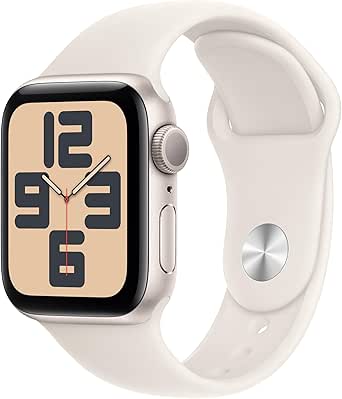
Apple Watch SE (2nd Gen) GPS 40mm with Starlight Aluminum Case and Sport Band (S/M)
As an affiliate, we earn on qualifying purchases.
From Profile Search to Work Style
The concept is positioned as an added layer to existing structured cofounder search. It says that platforms such as Y Combinator’s matching platform have helped normalize organized searches for potential partners, creating an audience for services that differentiate matches in other ways. No details about a particular platform’s features, user numbers or performance are included in the proposal.
Traditional profile matching commonly emphasizes skills and shared interest in an idea, according to the concept. The proposed service would retain profile matching but add questions about how people make decisions and work through disagreements. Its focus is narrower than a general startup-formation service: the first intended buyer is a founder actively looking for a cofounder.
The concept describes founder conflict and work-style collisions as a major cause of startup breakups. It does not provide a study, dataset or cited statistic establishing that claim. That distinction matters: the proposal identifies a possible problem and product opportunity, but it has not supplied evidence that work-style mismatch is the leading cause of startup failure or that its assessment can identify it reliably.
Evidence and Product Details Still Missing
There is no reported validated assessment, pilot result or partnership-survival data. The proposal does not explain how questions would be developed, whether scores would be checked for consistency, or how it would account for factors beyond work style that may affect a partnership’s lifespan.
It is also unclear how the proposed 200-pair test would recruit participants, define a partnership as surviving, handle pairs who stop responding, or account for the fact that a 12-month association cannot establish cause and effect. The concept does not specify pricing, launch timing, privacy protections for sensitive responses, or whether founders would be able to review and correct their compatibility reports.
The suggestion that cofounder breakups are a top startup killer is not accompanied by supporting evidence in the proposal. Until results are available, work-style matching should be understood as a product hypothesis, not a proven way to prevent startup or partnership failure.
A Pilot Would Test the Hypothesis
The next stated step is to run the proposed compatibility-report test with 200 early-stage founder pairs and compare assessment scores with partnership status after 12 months. No timetable, recruitment plan or launch announcement is supplied, so it is not clear when—or whether—the test will take place.
For the idea to advance beyond a proposal, the assessment would need to be defined and its results compared with actual outcomes. Reporting on how participants were selected, what counted as a surviving partnership and what other factors were considered would help readers judge whether any association is meaningful. Until then, the concept remains an early product proposal aimed at founders seeking cofounders.
Source: IdeaNavigator AI
Key Questions
What is the proposed cofounder-matching service?
It is a proposed service that would add a work-style assessment to profile matching, covering decision-making, conflict handling, risk appetite and pace.
Is the assessment already validated?
No validation results are reported. The concept presents the assessment as a feature to build and proposes testing reports against the outcomes of existing founder partnerships.
How would the proposed test work?
The suggested test would give compatibility reports to 200 existing early-stage pairs and compare scores with whether partnerships remain intact over 12 months. Recruitment and measurement details are not provided.
Can a compatibility score show that a cofounder pairing will succeed?
Not on the evidence provided. The proposal describes a hypothesis to test; it does not establish that a score can predict success or prevent a partnership from ending.
Source: IdeaNavigator AI