
TL;DR

Get the latest gadgets delivered free — and shop member deals
- Fast, free delivery on millions of items
- Access to Prime Big Deal Days deals on October 6–7
- Prime Video, Amazon Music and more included
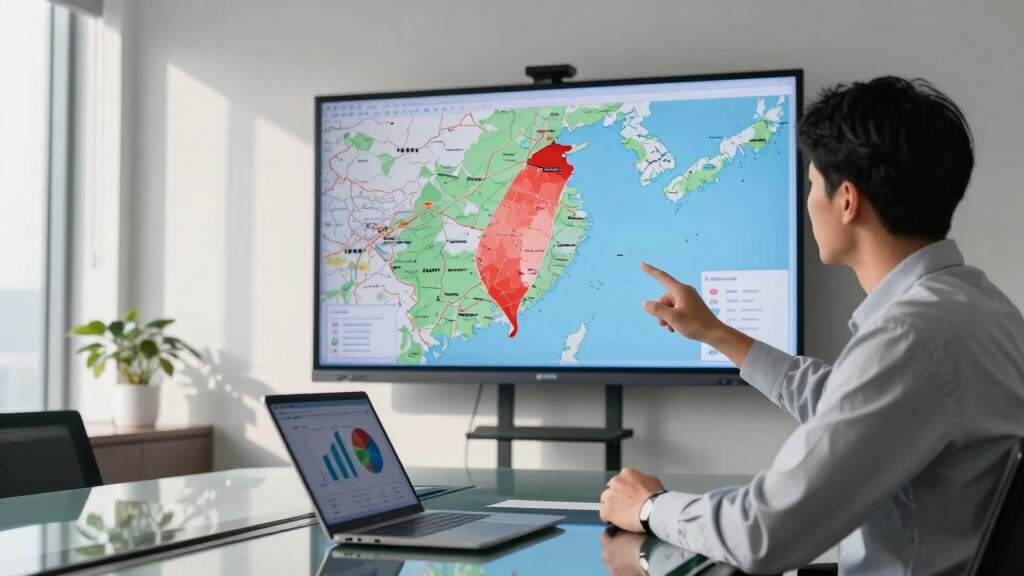
Chinese President Xi Jinping warned U.S. President Donald Trump that poor handling of the Taiwan issue could result in a clash. The warning was issued during their summit in Shanghai. The development underscores rising tensions over Taiwan between China and the U.S., with the situation still evolving.
Chinese President Xi Jinping warned U.S. President Donald Trump that mishandling the Taiwan issue ‘poorly’ risks provoking a ‘clash,’ marking a significant escalation in tensions between the two powers during their summit in Shanghai.
During the bilateral meeting in Shanghai on May 14, 2026, Xi Jinping explicitly conveyed to Trump that any missteps regarding Taiwan could escalate into a conflict. The warning was part of broader discussions aimed at stabilizing U.S.-China relations but highlighted ongoing disagreements over Taiwan’s status. The Chinese leader emphasized that China’s stance on Taiwan remains firm and that external interference could destabilize the region. U.S. officials have not publicly responded to the warning but have reiterated their support for Taiwan’s security and democratic status. The summit was also marked by efforts to improve economic and diplomatic ties, though the Taiwan issue remains a sensitive point.
Why It Matters
This warning is significant because it signals China’s increased willingness to directly confront U.S. policies on Taiwan, which Beijing considers a core national interest. The statement raises the risk of miscalculation or escalation in a region already tense due to ongoing military drills and diplomatic disputes. For international observers, it underscores the fragile state of U.S.-China relations and the potential for the Taiwan issue to trigger broader conflict if mishandled. For Taiwan, the warning underscores the importance of diplomatic and security support from the U.S. amid rising Chinese assertiveness.
As an affiliate, we earn on qualifying purchases.
Background
Relations between China and the U.S. have been strained over multiple issues, including Taiwan, trade, and military presence in the Indo-Pacific. Previous U.S. administrations have maintained a policy of strategic ambiguity regarding Taiwan, but recent rhetoric and military activities have increased tensions. The current summit in Shanghai follows a series of escalating Chinese military exercises near Taiwan and U.S. congressional debates over arms sales and diplomatic support for Taipei. Historically, China has viewed any external support for Taiwan as interference, and recent statements from Xi Jinping suggest a hardening stance.
“Handling the Taiwan issue poorly risks a clash.”
— Xi Jinping
“The U.S. remains committed to supporting Taiwan’s security and democratic way of life.”
— U.S. official
U.S. military communication equipment
As an affiliate, we earn on qualifying purchases.
As an affiliate, we earn on qualifying purchases.
What Remains Unclear
It is unclear how Trump responded to Xi’s warning or whether the Chinese government intends to escalate its rhetoric or actions regarding Taiwan. The specifics of any planned Chinese measures or U.S. responses remain undisclosed. The long-term impact of this exchange on U.S.-China relations and regional stability is still uncertain, as diplomatic efforts continue.
Chinese military simulation gear
As an affiliate, we earn on qualifying purchases.
As an affiliate, we earn on qualifying purchases.
What’s Next
Further diplomatic exchanges are expected in the coming weeks, with potential for increased military demonstrations or negotiations. Analysts will monitor whether the Chinese government takes concrete actions or issues additional warnings. The U.S. may also clarify its stance or increase support for Taiwan amid rising tensions.
As an affiliate, we earn on qualifying purchases.
Key Questions
What exactly did Xi Jinping say about Taiwan?
Xi Jinping warned that mishandling the Taiwan issue ‘poorly’ could lead to a ‘clash,’ emphasizing China’s firm stance on Taiwan and cautioning against external interference.
Why is this warning important now?
The warning comes during a high-level summit between China and the U.S., highlighting the sensitivity of the Taiwan issue and the potential for escalation in regional tensions.
How might the U.S. respond to this warning?
The U.S. has reiterated its support for Taiwan’s security and democratic status, but specific responses to Xi’s warning are not yet clear.
Could this lead to military conflict?
While the warning raises concerns about escalation, it is not yet confirmed whether it will lead to military conflict. The situation remains fluid and subject to diplomatic developments.
What are the next steps in U.S.-China relations regarding Taiwan?
Expect ongoing diplomatic talks, potential military demonstrations, and increased support for Taiwan, with the possibility of further warnings or negotiations in the coming weeks.
Halloween Picks
halloween
As an affiliate, we earn on qualifying purchases.