
TL;DR
Global infrastructure funding has doubled over the past five years, primarily led by Japanese banks like MUFG. This surge reflects efforts to diversify supply chains and address geopolitical concerns, impacting global economic stability.
Japanese banks, led by Mitsubishi UFJ Financial Group (MUFG), have driven a doubling of global infrastructure project financing over the past five years, according to Nikkei Asia. This trend underscores shifts in international investment strategies amid geopolitical and supply chain concerns.
Data from Nikkei Asia indicates that total global infrastructure funding has increased approximately twofold over the last five years. Japanese financial institutions, especially MUFG, have taken the top spot in project financing, surpassing other major banking groups worldwide.
The growth is attributed to efforts by these banks to diversify supply chains and mitigate geopolitical risks, particularly in regions such as Asia, Africa, and parts of Latin America. Japanese banks have increased their involvement in large-scale infrastructure projects, including energy, transportation, and telecommunications.
Officials from MUFG and other Japanese banks cited strategic diversification and risk management as key drivers for their increased engagement in infrastructure financing. The trend aligns with broader national policies aimed at strengthening Japan’s global economic footprint and supporting international development initiatives.
Why It Matters
This development matters because increased infrastructure funding can accelerate economic growth, improve connectivity, and support sustainable development in emerging markets. For Japan, leading this surge enhances its geopolitical influence and economic resilience amid global uncertainties. For the wider world, the shift signals a strategic realignment in international finance, with Asian banks playing a more prominent role.

Financing Patterns for Infrastructure Projects
As an affiliate, we earn on qualifying purchases.
As an affiliate, we earn on qualifying purchases.
Background
Over the past decade, global infrastructure investment has faced fluctuations due to geopolitical tensions, supply chain disruptions, and changing economic policies. The recent five-year period has seen a notable increase, with Japanese banks emerging as key players, partly driven by Japan’s strategic initiatives to diversify its economic partnerships and reduce reliance on Western-dominated financing sources.
Prior to this surge, infrastructure funding was more concentrated among Western institutions and multilateral development banks. The rise of Japanese banks reflects a broader trend of Asian financial institutions expanding their influence in global development finance.
“The growth driven by Japanese banks signifies a strategic shift in global infrastructure financing, emphasizing diversification and risk mitigation.”
— An industry analyst from Nikkei Asia
“Our increased involvement in infrastructure projects aligns with Japan’s broader economic and geopolitical strategies.”
— A senior executive at MUFG

Craft: The Expedition of Business: Proven Tools and Insights for Leaders of Small and Mid-sized Businesses
As an affiliate, we earn on qualifying purchases.
As an affiliate, we earn on qualifying purchases.
What Remains Unclear
It is not yet clear how sustainable this growth will be beyond the current five-year window or how other regions will respond to Japanese-led financing initiatives. Details on specific projects and future funding levels remain emerging and subject to market and geopolitical developments.

Corning RST-000 Fiber Optic Ribbon Splitting Tool, Cleaning Brush & Nylon Case
As an affiliate, we earn on qualifying purchases.
As an affiliate, we earn on qualifying purchases.
What’s Next
Next steps include monitoring the continuation of this trend, identifying new major infrastructure projects, and assessing how other financial institutions may follow or oppose this shift. Further data releases and industry reports are expected in the coming months.
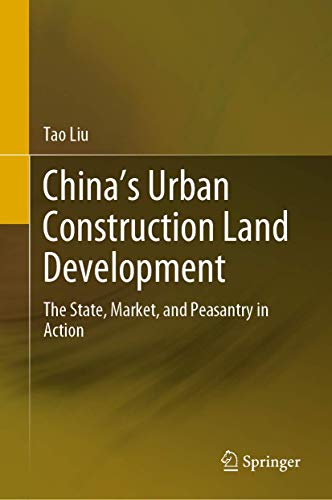
China’s Urban Construction Land Development: The State, Market, and Peasantry in Action
As an affiliate, we earn on qualifying purchases.
As an affiliate, we earn on qualifying purchases.
Key Questions
What specific types of infrastructure projects are being financed?
Funding covers energy, transportation, telecommunications, and urban development projects, primarily in emerging markets.
Why are Japanese banks increasing their infrastructure investments?
They aim to diversify supply chains, mitigate geopolitical risks, and expand Japan’s economic influence globally.
How much has global infrastructure funding increased exactly?
It has approximately doubled over the past five years, according to Nikkei Asia’s analysis.
Are other regions catching up in infrastructure financing?
While Asian banks are leading, other regions like Europe and North America continue to be significant players, but their growth rates are comparatively slower.
Source: Nikkei Asia