
TL;DR

Get the latest gadgets delivered free — and shop member deals
- Fast, free delivery on millions of items
- Access to Prime Big Deal Days deals on October 6–7
- Prime Video, Amazon Music and more included
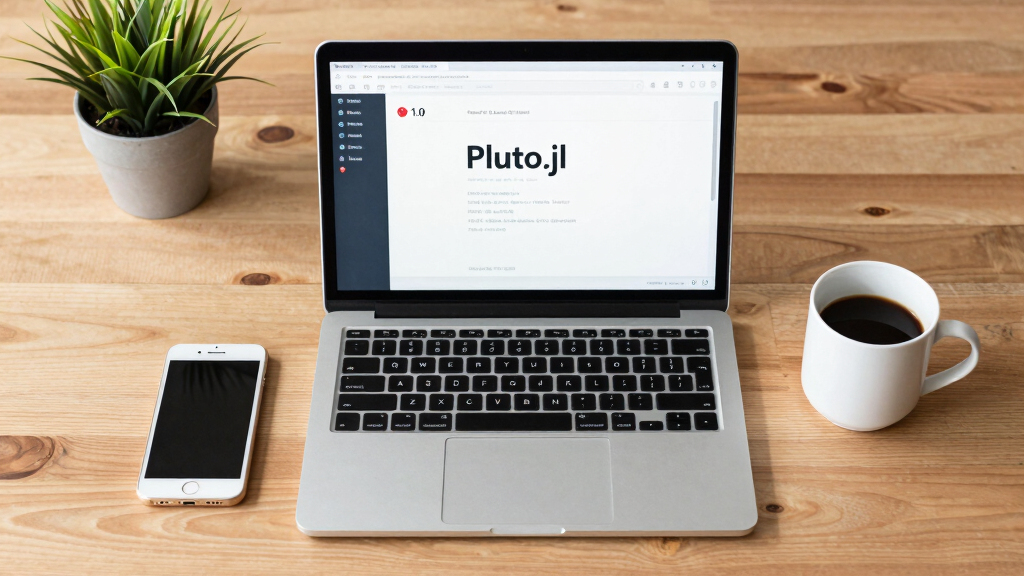
Pluto.jl has launched version 1.0 after six years of development, marking it as a mature, stable, and widely used reactive notebook environment for Julia. The update emphasizes reliability, reproducibility, and interactivity, supporting educators, researchers, and developers.
The Pluto.jl team announced the release of version 1.0 of their interactive notebook environment for Julia, marking a significant milestone after six years of development. The release emphasizes stability, reproducibility, and enhanced interactivity, making Pluto a more reliable tool for scientific computing, education, and sharing work.
Pluto.jl, an open-source project written in Julia and JavaScript, is designed to facilitate interactive programming, educational content, and literate programming. The 1.0 release, while primarily a formal milestone, includes key improvements in reliability, with courses of over 100 students successfully running notebooks without issues. The update also introduces advanced package management features, ensuring consistent environments across different users and Julia versions, via tools like GracefulPkg.jl and a new Project.toml editor.
Sharing capabilities have been expanded, with notebooks now exportable directly to Julia scripts, PDFs, and self-contained HTML files that preserve the look and code, including package environments. A new web service, pluto.land, offers free hosting of exported notebooks. Pluto’s core feature, reactivity, remains central, with new controls to disable cells, manage long runtimes with confirmation prompts, and handle dependencies more flexibly. The UI has been enhanced with additional widgets, such as sliders, switches, and custom widgets, supported by PlutoUI.jl and PlutoTeachingTools.jl, aimed at educators and interactive content creators.
Why It Matters
This release matters because it solidifies Pluto.jl as a dependable, user-friendly environment for Julia users across academia, research, and industry. Its improved reproducibility and sharing features support collaborative work and educational initiatives. The stability and new interactivity tools make it easier for beginners and experts alike to experiment, teach, and communicate complex ideas effectively.
Julia programming language books
As an affiliate, we earn on qualifying purchases.
As an affiliate, we earn on qualifying purchases.
Background
Since its initial release, Pluto.jl has grown in popularity, especially among educators and researchers seeking an accessible, reactive notebook environment. Its development has focused on making scientific computing more interactive and reproducible, with continuous improvements over the past years. The 1.0 milestone reflects a culmination of these efforts, aligning with broader trends towards open, shareable, and reliable computational environments.
“After six years, it’s time to release Pluto version 1.0! We are proud of what we have achieved, and we believe Pluto is now ready for widespread use.”
— The Pluto.jl team
“The stability and interactivity of Pluto have transformed how I teach computational thinking and share research notebooks.”
— A Pluto user and educator
interactive notebook software for Julia
As an affiliate, we earn on qualifying purchases.
As an affiliate, we earn on qualifying purchases.
What Remains Unclear
Details about future development plans, such as upcoming features or long-term support, remain unclear. It is also not yet confirmed how the community will adopt or extend the new features, or how quickly the ecosystem will evolve around the 1.0 release.
As an affiliate, we earn on qualifying purchases.
What’s Next
Next steps include ongoing development of advanced widgets, further improvements in package management, and community engagement through tutorials and integrations. The Pluto team is expected to continue refining stability and interactivity, with updates likely to follow based on user feedback.
educational coding kits for students
As an affiliate, we earn on qualifying purchases.
As an affiliate, we earn on qualifying purchases.
Key Questions
What does the 1.0 release mean for existing Pluto users?
The 1.0 release signifies that Pluto is now considered stable and ready for production use. Existing users can expect improved reliability, reproducibility, and new features, with minimal breaking changes.
Can I still use older versions of Pluto after upgrading to 1.0?
Yes, but it is recommended to upgrade to 1.0 to benefit from the latest stability and features. Compatibility with older versions depends on your project dependencies.
Will there be more features added after 1.0?
Yes, the Pluto team plans to continue developing new features, especially around widgets, collaboration, and ecosystem integrations, based on community feedback.
Is Pluto.jl suitable for beginners?
Yes, Pluto is designed with accessibility in mind, making it suitable for beginners, educators, and those new to Julia or interactive programming.
Source: Hacker News
Fall Picks
fall essentials
As an affiliate, we earn on qualifying purchases.