
📊 Full opportunity report: Build vs Buy a Prebuilt AI Workstation on ThorstenMeyerAI.com — validation score, market gap, and execution plan.
TL;DR
The traditional cost advantage of building your own AI workstation has diminished in 2026 due to component shortages and price spikes. Buyers now must weigh cost, time, thermal tuning, and support when choosing between building or buying prebuilt systems.
In 2026, the long-held assumption that building a custom AI workstation is always cheaper than buying a prebuilt has changed, driven by component shortages and rising prices. Consumers and professionals now face a genuine cost comparison, making the decision more complex than before.
Component shortages for DDR5 RAM, GPUs, and SSDs have caused prices to spike sharply in 2026, pushing DIY builds over previous cost thresholds. Meanwhile, prebuilt manufacturers like Lambda, Puget, and BIZON have secured bulk supplies and offer systems at prices that are difficult to match through individual sourcing. These prebuilt systems are validated for thermal performance, tested under sustained loads, and come with warranties, reducing the risk of thermal throttling or hardware failure during intensive AI workloads.
Traditionally, DIY building was favored for cost savings and customization, but the current market conditions mean that many buyers may find it more economical or equally priced to purchase a prebuilt system. The decision now hinges on factors beyond cost, including time, thermal tuning expertise, upgradeability, and support options.
Build vs buy
an AI workstation.
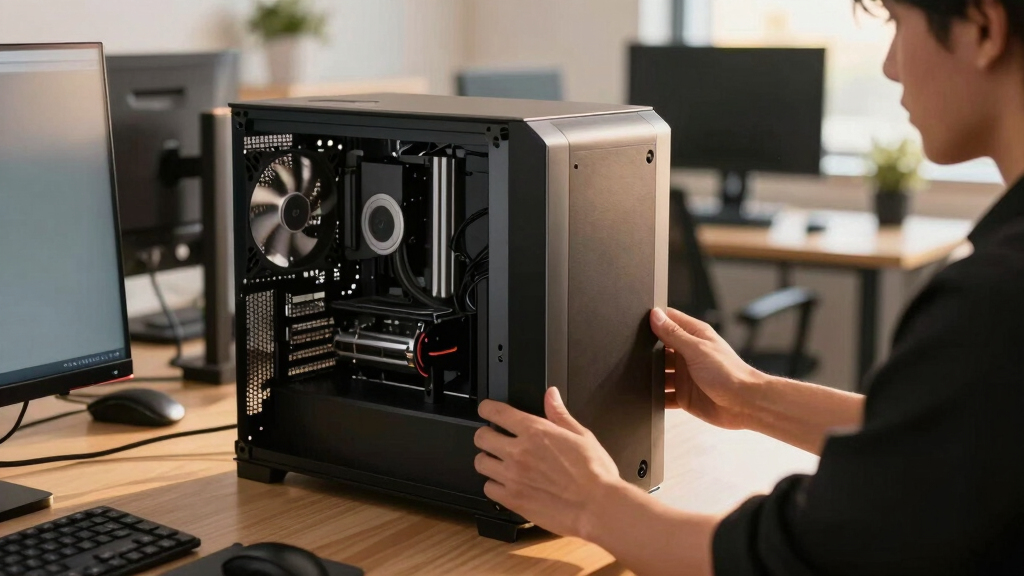
The real question behind this whole series: do you pull the five heat-and-noise levers yourself, or buy a prebuilt where the vendor pulled them for you? And in 2026, the old “building is cheaper” rule has broken. Match your situation in Part 3.
Implications of Rising Costs for AI Workstation Buyers
This shift in market dynamics affects both hobbyists and professionals. Buyers must now carefully compare the total cost of ownership, factoring in assembly time, thermal management, warranty, and support. For multi-GPU or high-end configurations, prebuilt systems often provide validated thermal solutions and support, which can justify their premium. The change also encourages a reevaluation of what constitutes a cost-effective or practical choice in high-performance AI hardware in 2026.

Corsair AI Workstation 300 Desktop PC – AMD Ryzen AI Max 385 CPU – AMD Radeon 8050S iGPU (Up to 48GBs vRAM) – 64GB LPDDR5X 8000MHz Memory – 1TB M.2 SSD – Black
AI-Optimized Compact Workstation: Experience AI performance out of the box with the compact 4.4L form factor, built for...
As an affiliate, we earn on qualifying purchases.
As an affiliate, we earn on qualifying purchases.
2026 Component Shortages and Market Shifts in AI Hardware
Since 2024, global supply chain disruptions and increased demand for AI hardware have caused shortages and price surges for critical components like DDR5 RAM, high-end GPUs, and SSDs. Historically, DIY builders benefited from lower costs by sourcing parts individually, but bulk purchasing by major vendors has allowed prebuilt manufacturers to offer systems at competitive or even lower prices. This market evolution makes the build-vs-buy decision more nuanced, especially for high-power AI workstations that require careful thermal and power management.
"Our prebuilt systems are validated for thermal performance under sustained load, offering peace of mind and support that DIY can't easily match."
— BIZON Systems spokesperson

AI Systems Performance Engineering: Optimizing Model Training and Inference Workloads with GPUs, CUDA, and PyTorch
As an affiliate, we earn on qualifying purchases.
As an affiliate, we earn on qualifying purchases.
Remaining Questions About Cost and Performance
It is still unclear how long the current market conditions will persist and whether prices for key components will stabilize or continue to rise. Additionally, the precise cost-benefit balance may vary depending on individual needs, regional supply conditions, and specific configurations. The long-term upgradeability and support advantages of prebuilt systems versus DIY remain subjects for ongoing evaluation.

128GB 4X32GB DDR5 5600MHz PC5-44800 2Rx8 1.1V CL46 288-PIN ECC Unbuffered UDIMM NEMIX RAM Memory KIT
NEMIX RAM is a Distributor and Manufacturer of Computer Memory and Storage Upgrades since 1993, specializing in Enterprise...
As an affiliate, we earn on qualifying purchases.
As an affiliate, we earn on qualifying purchases.
Future Trends in AI Hardware Procurement
As 2026 progresses, buyers should continue to compare prices carefully, considering total ownership costs, warranty, and thermal validation. Market analysts expect component prices to fluctuate, but the trend toward more integrated, validated prebuilt systems is likely to continue. Consumers and professionals should monitor vendor offerings and market developments to make informed decisions for their AI workloads.

HP ZBook X G1i Mobile Workstation AI Laptop (16" FHD+, Intel 16-Core Ultra 7 265H, NVIDIA RTX PRO 1000 Blackwell 8GB, 64GB DDR5 RAM, 1TB SSD), FP, 3-Yr WRT, Wi-Fi 7, Win 11 Pro (Next Gen Zbook Power)
BUILT FOR DEMANDING WORKFLOWS - As the next gen of HP ZBook Power series, the HP ZBook X...
As an affiliate, we earn on qualifying purchases.
As an affiliate, we earn on qualifying purchases.
Key Questions
Is it more cost-effective to build or buy an AI workstation in 2026?
Due to component shortages and rising prices, prebuilt systems often match or exceed DIY costs, making the decision more dependent on factors like support, thermal management, and time rather than cost alone.
What are the main advantages of buying a prebuilt AI workstation?
Prebuilts come with validated thermals, tested stability under load, warranties, and support, reducing the risk of hardware issues during intensive AI tasks.
Can I still customize and upgrade a prebuilt system?
Yes, many prebuilt systems are designed for upgradeability, but the extent varies by vendor. Building your own offers more control over component choice and future upgrades.
How long will component prices remain high in 2026?
Market conditions are uncertain; shortages may persist into mid-2026, but prices could stabilize or decline depending on supply chain improvements and demand fluctuations.
What should I consider when choosing between building and buying?
Evaluate total costs, time investment, thermal management expertise, warranty needs, and how important upgradeability and support are for your AI workloads.
Source: ThorstenMeyerAI.com