
TL;DR
New regulations will require cars to install biometric cameras that monitor driver behavior, increasing data collection. Automakers and third parties are already collecting extensive personal information, raising privacy risks. The full scope and future implications are still unfolding.
Automakers in the United States are preparing to implement new regulations that will require the installation of biometric cameras and sensors to monitor driver behavior, significantly expanding the amount of personal data collected from vehicle occupants. This development raises urgent privacy concerns, as current practices already involve extensive data harvesting without clear consumer awareness or consent.
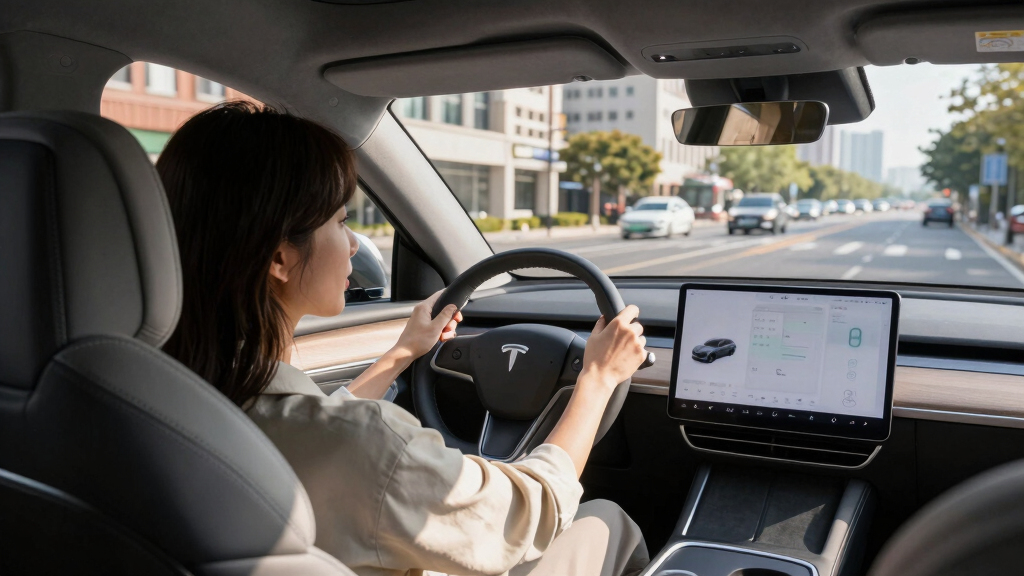
On 13 May 2026, reports confirmed that upcoming federal rules will mandate the installation of infrared biometric cameras in new vehicles, designed to assess driver alertness, detect intoxication, and monitor body language. These sensors will capture data such as eye movements, facial expressions, and potentially other biometric information.
Existing vehicles with internet connectivity already collect a wide range of data, including location, driving habits, and even facial expressions via interior cameras. A 2023 Mozilla analysis found all major car brands examined failed to meet privacy standards, with some policies suggesting the collection of sensitive data like health and sexual activity, although companies deny collecting such specific information.
Several automakers, including General Motors, Hyundai, and Honda, have been accused of selling location and driving data to third parties, including insurance companies, which use it to set premiums. The extent of data sharing remains partially undisclosed, with some companies asserting data is only shared with user consent.
Why It Matters
This development is significant because it marks a substantial increase in the scope of personal data collected by vehicles, raising privacy risks and potential misuse. It also highlights the lack of transparency and regulation around data handling, which could impact consumer rights and lead to higher insurance costs or discrimination based on personal data.
As cars become more connected and equipped with biometric sensors, the potential for invasive surveillance grows, prompting concerns about how this data might be used, stored, or sold. The regulations could also set a precedent for further expansion of vehicle data collection, affecting millions of drivers nationwide.

MobiCam PRO Home Monitoring Camera Single: Full HD, Pan & Tilt, Color Night Vision, Motion Tracking, Temp & Humidity Readings. Supports Cloud & SD Storage, Smart App Compatible
FULL HD WITH PAN & TILT – Experience exceptional baby monitoring with our Full HD baby monitor. Effortlessly…
As an affiliate, we earn on qualifying purchases.
As an affiliate, we earn on qualifying purchases.
Background
Over the past decade, vehicle connectivity has rapidly increased, with estimates indicating that by 2030, 95% of cars will be internet-enabled. Current laws require automakers to include features like telematics systems, which monitor driving behavior in exchange for discounts. However, privacy standards have lagged behind technological advances.
Previous investigations, including a 2023 Mozilla report, have revealed widespread privacy violations, with all examined car brands failing to meet basic privacy standards. U.S. authorities have taken action against companies like GM for selling location data without consent, and similar allegations have been made against Honda and Hyundai.
“It basically means your life can be recreated almost on a second-by-second basis.”
— Darrell West, Brookings Institute
“Kia’s privacy practices are transparent and we only share data with insurance companies if drivers opt in.”
— Kia spokesperson James Bell
“Cars were ‘the worst product category we have ever reviewed for privacy.'”
— Mozilla report authors

THINKWARE Interior Infrared (IR) in-Cabin Camera for U3000 PRO Dash Cam – 3rd Channel Add-On with Night Vision for Inside Cabin Recording, Ideal for Rideshare, Taxi, Fleet & Parental Monitoring
Total cabin security – Add interior IR to your U3000 Pro for a 3-channel dash cam front and…
As an affiliate, we earn on qualifying purchases.
As an affiliate, we earn on qualifying purchases.
What Remains Unclear
It remains unclear exactly how much data will be collected under the new regulations and how it will be used beyond safety and insurance purposes. Details about what specific biometric data will be gathered, stored, or sold, and the safeguards in place, are still emerging. The extent of consumer awareness and control over this data also remains uncertain.

Faraday Bag Anti-Tracking GPS RFID Car Key Signal Blocker Wallet Shielding Pouch Protective Case for Cell Phone Car Key FOB, Data Privacy, Electronic Device Security (2 Pack – Black and Gray)
2 Faraday Bags 100% Wireless Signal Blocking – Our faraday bags for phones block 5G, 4G LTE, RFID,…
As an affiliate, we earn on qualifying purchases.
As an affiliate, we earn on qualifying purchases.
What’s Next
Next steps include the rollout of the new regulations, expected to be enforced in the coming months, and ongoing investigations into current data practices. Consumers should stay informed about their vehicle’s privacy policies and consider steps to limit data sharing.

TuTrackAI OBD GPS Tracker for Vehicles, No Subscription, No Monthly Fees, 4G LTE Built-in SIM, Data Plan Included, Plug & Play Car Tracker, Real-Time Location, Geofence Alerts for Cars & Fleets
【NO MONTHLY FEES & DATA PLAN INCLUDED】 Say goodbye to monthly subscription bills. The TuTrackAI OBD-II GPS Tracker…
As an affiliate, we earn on qualifying purchases.
As an affiliate, we earn on qualifying purchases.
Key Questions
What kind of data are cars collecting about me?
Cars collect location data, driving habits, biometric information such as eye movements and facial expressions, and potentially sensitive details like health or personal habits, depending on the vehicle and its sensors.
Are automakers selling my data?
Some companies admit to selling or sharing data with third parties, including insurance companies and government agencies. The full scope of data sales is often not transparent.
What can I do to protect my privacy while driving?
Drivers can review and adjust privacy settings, limit app permissions, avoid connecting their phones to the vehicle’s infotainment system if possible, and stay informed about their vehicle’s data collection policies.
Will the new regulations improve my privacy?
The regulations primarily aim to enhance safety through biometric monitoring; however, they may also increase data collection. The impact on privacy depends on how data is managed and protected by automakers and regulators.
Source: Hacker News