
TL;DR
A new aftermarket app uses phone-mounted cameras to monitor eye closure and head nods, alerting drivers when signs of drowsiness appear. Testing with long-commute drivers is ongoing. This innovation aims to improve safety for drivers of older vehicles lacking built-in systems.
A new aftermarket application that uses smartphone-mounted cameras to monitor driver alertness is currently being tested with long-commute drivers. This system aims to provide a cost-effective solution for older vehicles without built-in safety tech to detect drowsiness and prevent microsleeps at highway speeds. The initiative responds to the need for accessible driver fatigue warnings outside of newer, sensor-equipped vehicles.
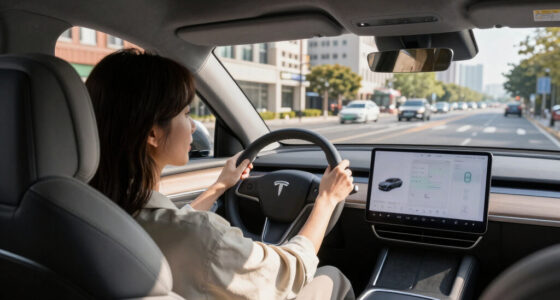
The proposed system involves a dashboard-mounted phone running an app that tracks eye-closure and head-nod patterns using face-landmark detection technology. When signs of drowsiness are detected, the app sounds an escalating alert and prompts the driver to take a break. The approach leverages affordable hardware—smartphones with camera mounts—and software that estimates fatigue cues without requiring vehicle-integrated sensors.
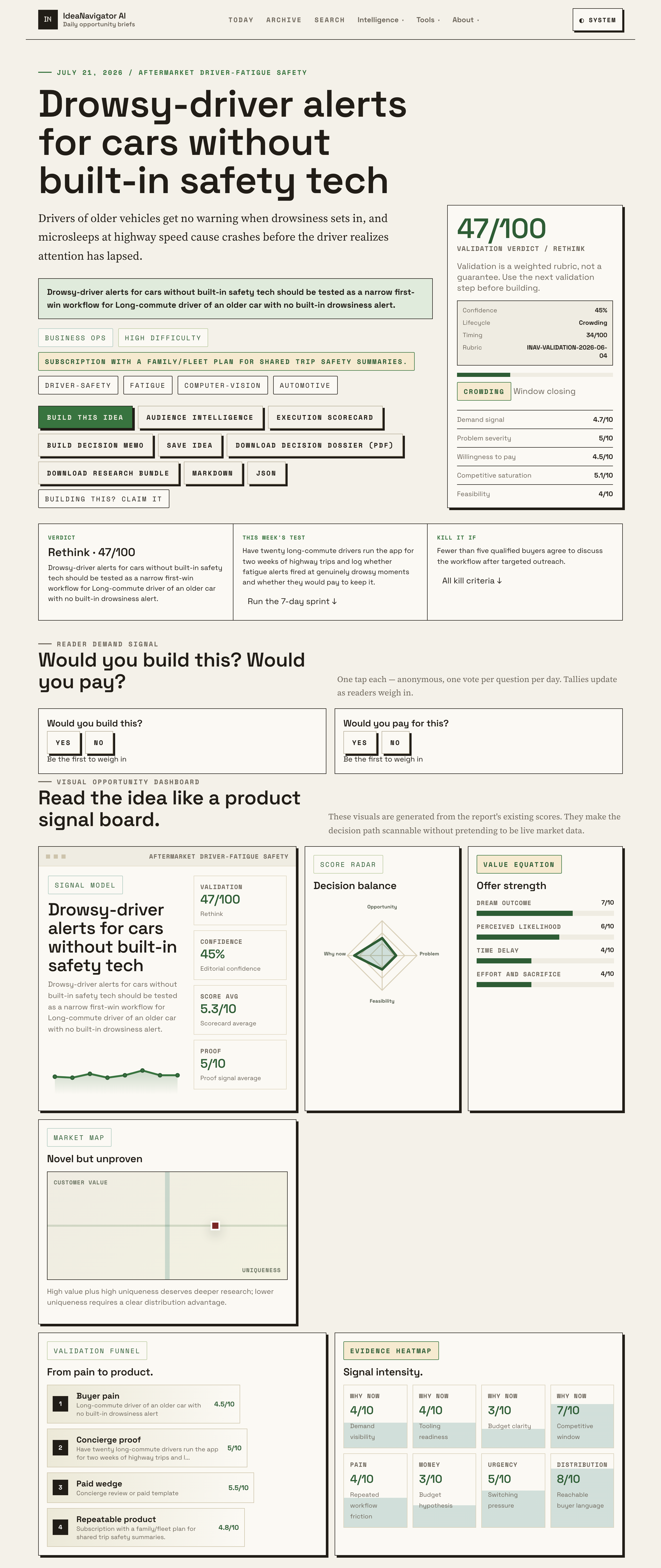
According to an anonymous researcher involved in the project, the app is currently being tested with twenty long-commute drivers over a two-week period. The goal is to verify whether alerts are accurately triggered during genuine drowsiness and to assess user willingness to pay for ongoing subscription services. The model includes a family or fleet plan for shared safety summaries, aiming to create a sustainable revenue stream for the developers.
Potential Impact on Road Safety for Older Vehicles
This development could significantly improve safety for drivers of older cars, which lack the built-in drowsiness detection features present in newer models. By providing an affordable, aftermarket solution, it addresses a critical gap in highway safety. If successful, widespread adoption could reduce fatigue-related crashes, especially among long-distance commuters who are most at risk.
smartphone drowsiness detection app
As an affiliate, we earn on qualifying purchases.
As an affiliate, we earn on qualifying purchases.
Growing Need for Accessible Driver Fatigue Solutions
Many older vehicles lack advanced safety features, including fatigue detection systems that are now common in newer cars. As highway fatigue remains a leading cause of accidents, the industry has sought accessible alternatives. Recent technological advances in face-landmark detection and low-cost smartphones enable the development of aftermarket systems that can fill this safety gap. Pilot testing of such apps is a recent response to this ongoing challenge, with some initial field trials underway to validate effectiveness.
“The app uses face-landmark technology to detect eye closure and head nods, providing a real-time alert system for drowsy drivers.”
— an anonymous researcher
As an affiliate, we earn on qualifying purchases.
Unconfirmed Effectiveness and User Acceptance
It is not yet clear how accurately the app detects drowsiness in diverse driving conditions or how drivers will respond to alerts over longer periods. The current testing phase is limited, and broader validation is needed to confirm real-world effectiveness and user willingness to subscribe.
aftermarket driver alertness monitor
As an affiliate, we earn on qualifying purchases.
As an affiliate, we earn on qualifying purchases.
Upcoming Validation and Market Expansion Plans
The next steps include completing the two-week pilot with the current drivers, analyzing alert accuracy, and gathering user feedback. If results are positive, developers plan to expand testing to more participants and explore commercialization options, including subscription packages for individual drivers, families, and fleet operators.
As an affiliate, we earn on qualifying purchases.
Key Questions
How does the app detect driver drowsiness?
The app uses the smartphone’s camera to monitor facial features, specifically eye-closure and head-nod patterns, through face-landmark detection technology.
Will this system work in all lighting conditions?
Lighting conditions can affect camera-based detection; the app’s performance in low-light or bright glare environments is still under evaluation during ongoing testing.
Is this a replacement for built-in vehicle safety features?
No, it is designed as an aftermarket supplement for older vehicles lacking integrated drowsiness detection systems.
How much will the subscription cost?
Pricing details are not yet finalized; the current plan includes a family or fleet subscription model, but actual costs will depend on further validation and market response.
When will this system be widely available?
Widespread availability depends on the results of ongoing testing and validation, with potential commercial release anticipated after successful pilot trials.
Source: IdeaNavigator AI