
TL;DR

Get the latest gadgets delivered free with Prime
- Fast, free delivery on millions of items
- Prime Video, Amazon Music and more included
- Member-only deals all year
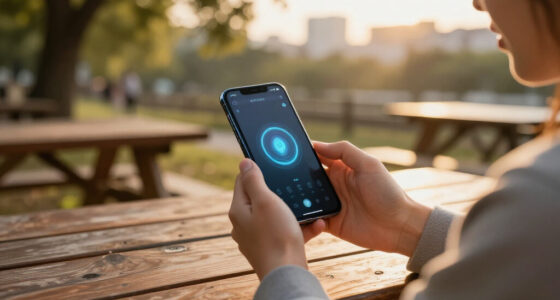
Google has begun deploying its Android 17 motion sickness feature across supported devices. This update aims to help users reduce discomfort caused by motion sickness during mobile use, marking a significant step in user health features for Android.
Google has begun rolling out its long-anticipated Android 17 motion sickness feature to compatible Android devices, aiming to mitigate symptoms of motion sickness during mobile use. The feature, first announced last year, is now entering the deployment phase, with users gradually gaining access. This development is significant for millions of Android users who experience discomfort, as it marks a major step toward integrating health-focused features directly into mobile operating systems.
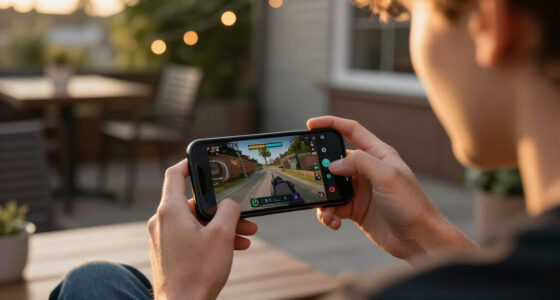
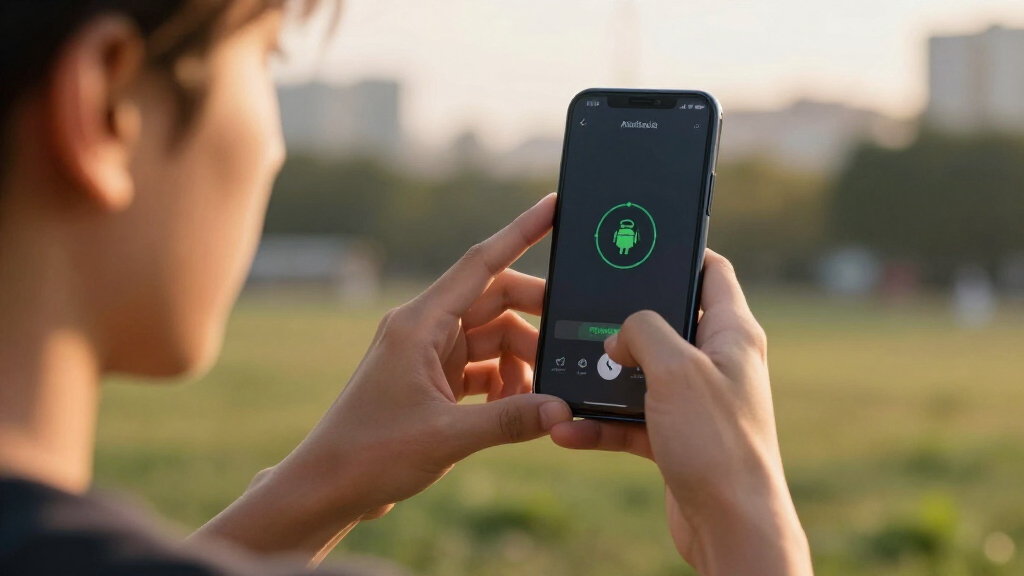
The Android 17 motion sickness feature is designed to adjust screen motion and visual effects in real-time based on user activity and environmental conditions. Google confirmed that the feature is now available via a software update on select devices, including recent Pixel models and other Android phones that support the latest OS versions. The update employs advanced algorithms to detect signs of motion discomfort, such as nausea or dizziness, and dynamically modifies visual elements like animations, scrolling speed, and camera effects to reduce these symptoms.
According to Google, the feature was developed in collaboration with health experts and user feedback gathered over the past two years. Google’s spokesperson, Lisa Chen, stated, “Our goal is to make mobile use more comfortable and accessible for everyone, especially those sensitive to motion sickness. The Android 17 feature is a significant step in that direction.” The rollout is gradual, with Google prioritizing devices that have the latest security patches and hardware capabilities to support the feature effectively.
Impact on User Comfort and Health
This update represents a meaningful advancement in mobile health features, addressing a common but often overlooked issue—motion sickness caused by screen motion and visual effects. For users prone to dizziness, nausea, or migraines triggered by rapid screen movements, this feature could significantly improve daily device usage. It also signals a broader shift toward integrating health and wellness functionalities into mainstream operating systems, potentially setting a precedent for other tech companies to follow.
Android motion sickness reduction app
As an affiliate, we earn on qualifying purchases.
As an affiliate, we earn on qualifying purchases.
Background of the Android 17 Motion Sickness Initiative
Google first announced the Android 17 motion sickness feature at its annual developer conference in 2023, describing it as an innovative approach to improve user comfort. The feature was developed amid increasing awareness of digital eye strain and motion-related discomfort, which have become common complaints among smartphone users. Prior to this rollout, Google tested the feature with a select group of beta testers, receiving positive feedback about its effectiveness in reducing symptoms.
The initiative aligns with broader industry trends emphasizing digital health, accessibility, and user-centric design. Similar features have been implemented in other tech products, but Google’s approach is notable for its deep integration into the core Android OS, allowing for real-time adjustments without user intervention.
“Our goal is to make mobile use more comfortable and accessible for everyone, especially those sensitive to motion sickness.”
— Google spokesperson Lisa Chen
smartphone screen motion adjustment device
As an affiliate, we earn on qualifying purchases.
As an affiliate, we earn on qualifying purchases.
Remaining Questions About Feature Effectiveness
While the rollout has begun, it is not yet clear how broadly effective the Android 17 motion sickness feature will be across different devices and user populations. Some early user reports suggest noticeable improvements, but comprehensive data on its impact remains unavailable. Additionally, it is unclear whether all Android devices will receive the update or if some models will require hardware upgrades or custom software modifications. More testing and user feedback are needed to assess long-term benefits and potential limitations.
blue light filter glasses for eye strain
As an affiliate, we earn on qualifying purchases.
As an affiliate, we earn on qualifying purchases.
Next Steps in Deployment and Evaluation
Google plans to continue expanding the rollout over the coming months, prioritizing devices with the latest hardware and software capabilities. The company also intends to gather user feedback through surveys and in-app reporting tools to evaluate the feature’s effectiveness further. In the near term, Google may release updates to refine the algorithms and expand compatibility to older devices. Industry observers will be watching to see if this feature influences other Android updates or prompts competitors to develop similar health-focused functionalities.
mobile device anti-dizziness screen protector
As an affiliate, we earn on qualifying purchases.
As an affiliate, we earn on qualifying purchases.
Key Questions
Which devices will receive the Android 17 motion sickness feature?
The feature is initially rolling out to recent Pixel models and other Android devices supporting the latest OS updates. Compatibility details are expected to expand as Google continues the deployment.
How does the Android 17 feature work to reduce motion sickness?
It detects signs of discomfort and dynamically adjusts visual effects such as animations, scrolling speed, and camera movements to minimize symptoms like nausea and dizziness.
Is the feature automatically enabled or user-controlled?
The feature can be turned on or off in device settings. Google has designed it to operate automatically once enabled, providing real-time adjustments.
Will older devices receive this update?
Google plans to extend the update to more devices over time, but initially, it is limited to newer models supporting recent OS versions. Compatibility for older devices remains uncertain.
Are there any known limitations or side effects?
At this stage, no significant side effects have been reported. However, the long-term effectiveness and potential limitations are still under evaluation as more users test the feature.
Source: rss
Columbus Day / Indigenous Peoples' Day Picks
long weekend sales
As an affiliate, we earn on qualifying purchases.