
TL;DR

Get the latest gadgets delivered free — and shop member deals
- Fast, free delivery on millions of items
- Access to Prime Big Deal Days deals on October 6–7
- Prime Video, Amazon Music and more included
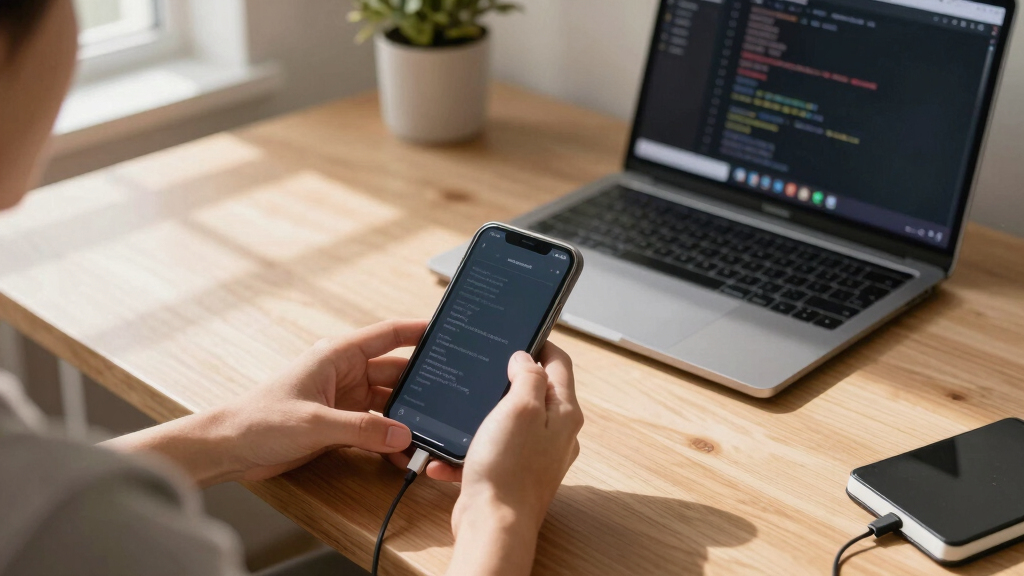
A person purchased a new iPhone 17 and intentionally slowed its internet connection to combat excessive doomscrolling. This unconventional approach aims to make content less accessible and reduce compulsive use.
A user on Hacker News revealed that they bought a new iPhone 17 and intentionally slowed its internet speed to combat compulsive scrolling, an unconventional method to address digital addiction.
The individual purchased a brand new iPhone 17 shortly after its release and developed an app called VineWall, which controls internet speed for certain apps on iOS devices. By gradually throttling the internet connection, the user made videos and images load more slowly, increasing the time spent waiting and decreasing the appeal of endless scrolling.
The app initially caps internet speed at the level of a spotty cellular connection, causing videos to appear blocky and images to load with gray boxes. As the throttling continues, content becomes increasingly difficult to view, leading to more time spent staring at loading spinners rather than consuming content.
Why It Matters
This approach highlights innovative self-regulation techniques for digital addiction, especially in an era where smartphones and social media are deeply integrated into daily life. It raises questions about how technology can be used to modify behavior and whether such methods could be adopted more widely to promote healthier digital habits.
iPhone internet speed throttling app
As an affiliate, we earn on qualifying purchases.
As an affiliate, we earn on qualifying purchases.
Background
Digital addiction, particularly doomscrolling, has become a widespread concern. Previous efforts to curb excessive use include app blockers and behavioral interventions, but these often fail to address underlying cravings. The user’s method of intentionally slowing the device’s internet speed offers a novel, self-imposed barrier to overuse, illustrating a different approach to managing screen time.
“I bought a brand new iPhone and immediately made it slow on purpose.”
— the user on Hacker News
“I decided to build VineWall, an app that controls internet speed for certain apps, to make the ‘cookie’ more stale and harder to get.”
— the user on Hacker News
iOS app for controlling internet access
As an affiliate, we earn on qualifying purchases.
As an affiliate, we earn on qualifying purchases.
What Remains Unclear
It is not yet clear how sustainable or effective this method is over the long term. The user’s experiences are personal, and broader applicability or potential drawbacks remain unverified. Additionally, details about the specific technical implementation of VineWall are still emerging.
smartphone internet speed limiter
As an affiliate, we earn on qualifying purchases.
As an affiliate, we earn on qualifying purchases.
What’s Next
The user plans to continue using this throttling method to assess its effectiveness in reducing their scrolling habits. Future developments may include refining the app or exploring other behavioral interventions to combat digital addiction.
digital addiction management tools
As an affiliate, we earn on qualifying purchases.
As an affiliate, we earn on qualifying purchases.
Key Questions
Does slowing the internet speed on a phone really reduce scrolling?
There is anecdotal evidence from this user suggesting it can make content less appealing and increase waiting times, potentially reducing compulsive scrolling. However, broader scientific studies are needed to confirm its effectiveness.
Can this method be applied to other devices or platforms?
In principle, yes—similar throttling techniques could be implemented on other smartphones or devices if appropriate tools or apps are available.
Are there any risks or downsides to intentionally slowing your phone’s internet?
Potential downsides include frustration, reduced productivity, or missing important information. Long-term effects are not yet studied, so users should consider personal limits.
Is this approach officially recommended or supported?
No, this is a personal experiment shared by an individual; it is not an officially endorsed method for managing digital habits.
Will this method work for everyone?
Effectiveness likely varies based on individual habits and preferences; what works for one person may not work for another.
Source: Hacker News
Fall Picks
fall essentials
As an affiliate, we earn on qualifying purchases.