
TL;DR
Open a free Amazon Business account
Business pricing, bulk buying and tax-exempt orders.
As an affiliate, we earn on qualifying purchases.
Kioxia Holdings’ market capitalization surpassed 30 trillion yen ($188 billion) for the first time, driven by investor enthusiasm for AI-related memory chip demand. The surge reflects growing confidence in the company’s prospects amid the AI investment boom.
Japan’s memory chip manufacturer Kioxia Holdings saw its market capitalization surpass 30 trillion yen ($188 billion) on May 22, 2026, marking a record high and reflecting strong investor confidence amid a surge in AI-related demand for memory chips.
On May 22, 2026, Kioxia’s stock market value crossed the 30 trillion yen threshold for the first time, driven by a rally in shares amid expectations of increased demand for NAND flash memory chips used in AI applications. The surge follows a broader rise in AI-related technology stocks globally, notably after American chipmaker Nvidia reported robust earnings, fueling optimism about the growth prospects of memory chip manufacturers.
Market analysts attribute the rise to investor anticipation that the proliferation of AI technologies will significantly boost demand for high-capacity, high-speed memory chips, a core product of Kioxia. The company’s shares responded positively to the trend, with trading volumes increasing as investors sought exposure to the AI-driven growth sector.
Why It Matters
This milestone highlights Kioxia’s rising prominence in the global semiconductor industry, especially as AI applications become more widespread. The valuation boost underscores investor confidence in the company’s ability to capitalize on the expanding AI ecosystem, potentially influencing stock market trends and corporate strategies within Japan’s tech sector.
For investors, the surge signals a recognition of Kioxia’s pivotal role in supplying essential memory components for AI infrastructure, which is expected to underpin future technological innovation and economic growth.
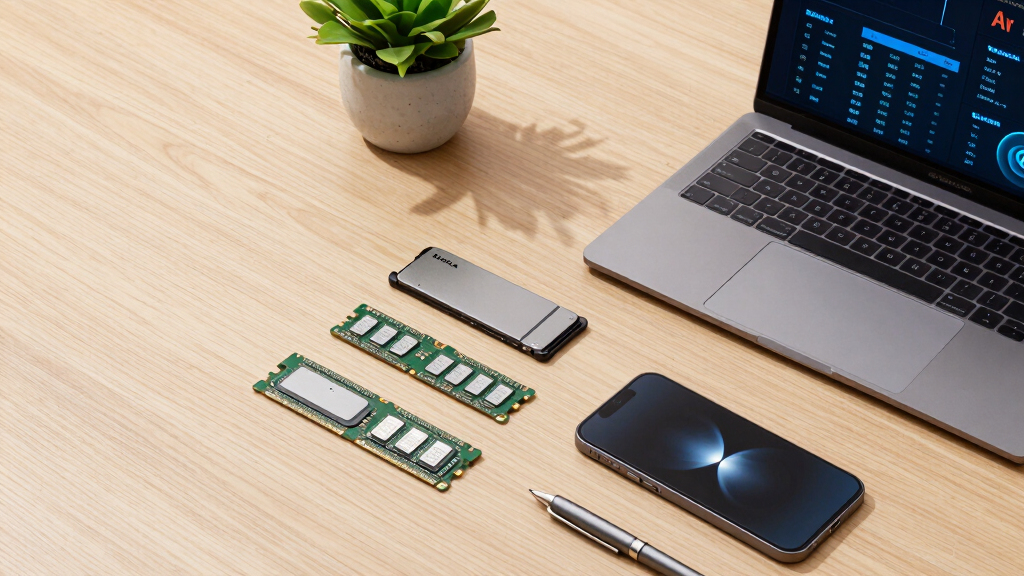
high capacity NAND flash memory chips
As an affiliate, we earn on qualifying purchases.
As an affiliate, we earn on qualifying purchases.
Background
Kioxia, formerly Toshiba Memory, is one of the world’s leading producers of NAND flash memory chips, which are critical for data storage in AI, cloud computing, and consumer electronics. The company’s market cap has been steadily growing amid global chip shortages and increased demand for data storage solutions.
The recent rally follows Nvidia’s strong earnings report, which highlighted the booming AI industry and its reliance on advanced memory chips. This has heightened investor interest in semiconductor stocks, particularly those involved in memory manufacturing. Kioxia’s valuation has also been supported by broader market trends favoring technology stocks amid the ongoing AI investment boom.
“Kioxia’s crossing of the 30 trillion yen mark reflects strong investor confidence in the company’s role in the AI supply chain and the broader growth of the memory chip market.”
— Market analyst at Tokyo Securities
“We are encouraged by the market response and remain committed to advancing our memory technology to meet the growing demands of AI and data-driven applications.”
— Kioxia spokesperson
AI optimized SSD storage devices
As an affiliate, we earn on qualifying purchases.
As an affiliate, we earn on qualifying purchases.
What Remains Unclear
It remains unclear how sustainable this valuation surge is, especially given potential market fluctuations, supply chain challenges, or shifts in demand for memory chips. The long-term impact of AI industry growth on Kioxia’s financial performance requires further observation.
high-speed memory modules for AI applications
As an affiliate, we earn on qualifying purchases.
As an affiliate, we earn on qualifying purchases.
What’s Next
Investors will closely monitor Kioxia’s quarterly earnings reports and product developments to assess whether the company can maintain its growth trajectory. Market analysts also anticipate further valuation milestones if demand for memory chips continues to rise alongside AI adoption.
As an affiliate, we earn on qualifying purchases.
Key Questions
What caused Kioxia’s market cap to increase so rapidly?
The surge was driven by investor optimism about increasing demand for memory chips used in AI applications, especially after Nvidia’s strong earnings report boosted confidence in the AI sector.
Is this valuation sustainable long-term?
The sustainability of the valuation depends on continued demand for memory chips, technological advancements, and broader market conditions, which remain uncertain at this stage.
How does this milestone compare to Kioxia’s previous market value?
This is the first time Kioxia’s market cap has surpassed 30 trillion yen, marking a significant milestone and reflecting recent investor confidence.
What role does Kioxia play in the AI industry?
Kioxia supplies NAND flash memory chips essential for data storage and processing in AI systems, making it a key player in the AI hardware supply chain.
Source: Nikkei Asia
NFL season / tailgating Picks
team gear
As an affiliate, we earn on qualifying purchases.