
TL;DR

Get the latest gadgets delivered free with Prime
- Fast, free delivery on millions of items
- Prime Video, Amazon Music and more included
- Member-only deals all year
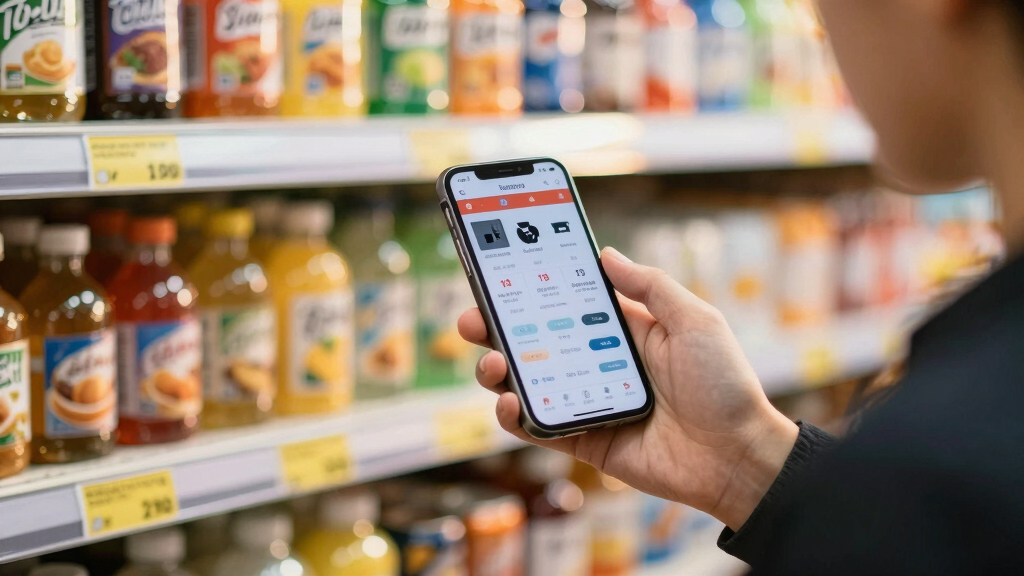
A recent survey indicates that 68% of Americans favor banning surveillance pricing and electronic shelf labels due to fears of price gouging and increased costs. The movement is gaining legislative momentum, with at least one state enacting a ban.
A new survey shows that 68% of Americans support banning surveillance pricing and electronic shelf labels, citing concerns over rising grocery costs and potential price manipulation. This public stance is influencing legislative efforts across multiple states, aiming to restrict or ban such technologies in stores.
The survey, conducted by GBAO Strategies and distributed by the United Food and Commercial Workers International Union (UFCW), found that a significant majority of Americans worry that surveillance pricing could increase grocery costs. Specifically, 68% said they support a ban on these practices, while only 5% believed it would lower prices, and 20% thought prices would stay the same.
Additionally, 58% of respondents said digital price tags would make them less likely to shop at a store, with only 3% indicating they would be more likely to shop there. A notable 67% favor outright banning electronic shelf labels (ESLs). The survey also revealed that 66% of respondents are concerned about rising grocery prices, amidst recent inflation trends that have hurt consumer purchasing power.
Why It Matters
The strong public opposition to surveillance pricing and ESLs could influence legislation, potentially leading to bans that protect consumers from price gouging. With at least one state, Maryland, enacting a law against such practices, the movement signals a push to regulate or prohibit these technologies nationwide. This matters because it addresses concerns over consumer privacy, fair pricing, and the impact of new tech on household budgets.
digital shelf labels for grocery stores
As an affiliate, we earn on qualifying purchases.
As an affiliate, we earn on qualifying purchases.
Background
Surveillance pricing involves using data and digital tools to adjust prices dynamically, sometimes multiple times per day. Major retailers like Walmart are deploying electronic shelf labels with AI capabilities, claiming they will be used responsibly. However, critics and unions argue these tools facilitate price gouging, especially amid inflation and rising grocery costs. The debate has gained traction as more states consider legislation; Maryland recently passed a law banning surveillance pricing at grocery stores, though critics say it contains loopholes.
“The ESL industry sells the prospect of higher prices and job losses as positives. Families are making tough choices every day due to sky-high prices, and polling clearly shows they want these predatory technologies banned.”
— Ademola Oyefeso, UFCW Vice President
“Walmart has patented AI-powered price changes but insists it will not use ESLs to raise prices arbitrarily. Human oversight will be maintained for price adjustments.”
— Walmart spokesperson
electronic price tags for retail
As an affiliate, we earn on qualifying purchases.
As an affiliate, we earn on qualifying purchases.
What Remains Unclear
It is still unclear how widespread the adoption of surveillance pricing will become, and whether future legislation will effectively close existing loopholes. The specifics of how retailers might implement dynamic pricing based on consumer data remain under scrutiny, and the extent of enforcement in states with bans is yet to be determined.
privacy-friendly grocery price display
As an affiliate, we earn on qualifying purchases.
As an affiliate, we earn on qualifying purchases.
What’s Next
Legislative efforts are expected to continue, with more states considering or passing laws against surveillance pricing and ESLs. Monitoring how retailers deploy these technologies and how laws are enforced will be key in the coming months. Public opinion may also influence further regulatory actions.
manual price tag stickers for stores
As an affiliate, we earn on qualifying purchases.
As an affiliate, we earn on qualifying purchases.
Key Questions
What are electronic shelf labels?
Electronic shelf labels (ESLs) are digital price tags that can be updated remotely, often using AI or data-driven systems to change prices throughout the day.
Why do some people oppose surveillance pricing?
Opponents argue that surveillance pricing can lead to price gouging, unfair increases, and privacy violations, especially when prices are adjusted based on consumer data or external factors.
Which states are considering or have passed laws against surveillance pricing?
At least a dozen states are considering legislation, with Maryland being the first to pass a law banning such practices at grocery stores. Details and scope vary by state.
Will Walmart or other retailers stop using electronic shelf labels?
Walmart has stated it will not use ESLs for arbitrary price increases and insists human oversight will be maintained. However, the extent of their future use remains uncertain.
Source: reddit
Halloween Picks
halloween
As an affiliate, we earn on qualifying purchases.