
📊 Full opportunity report: The Memory Squeeze: Why Your RAM Bill Doubled on ThorstenMeyerAI.com — validation score, market gap, and execution plan.

Get the latest gadgets delivered free with Prime
- Fast, free delivery on millions of items
- Prime Video, Amazon Music and more included
- Member-only deals all year
TL;DR
DRAM prices have doubled or tripled in 2026, driven by a strategic shift in chip manufacturing from consumer RAM to high-margin AI memory. This ongoing reallocation is causing shortages and price hikes across the market.
DRAM prices have surged by up to 600% in 2026, with the cost of 32GB DDR5 kits rising from around $100 in early 2025 to nearly $375 in June 2026. This sharp increase is driven by a fundamental shift in chip manufacturing capacity toward AI memory, impacting consumer PC components and supply chains worldwide.
The primary cause of the price spike is the reallocation of DRAM manufacturing from standard consumer modules to high-margin High Bandwidth Memory (HBM), used in AI accelerators. Three companies — Samsung, SK Hynix, and Micron — produce nearly all of the world’s DRAM, and they are now prioritizing AI-related products, which are more profitable. As a result, the share of wafer output dedicated to consumer DRAM has decreased, and prices have risen sharply.
In 2026, the cost of 64GB DDR5 kits has exceeded $600, up from approximately $200 in 2025. Major PC builders like HP, Apple, Lenovo, and Dell have responded by raising prices or adjusting supply strategies. Micron has shifted focus away from consumer memory, retiring its Crucial brand, and long-term contracts with large buyers further limit market availability for typical consumers. The result is a shortage that is not expected to resolve quickly, as capacity expansion is delayed until at least 2027–2028.
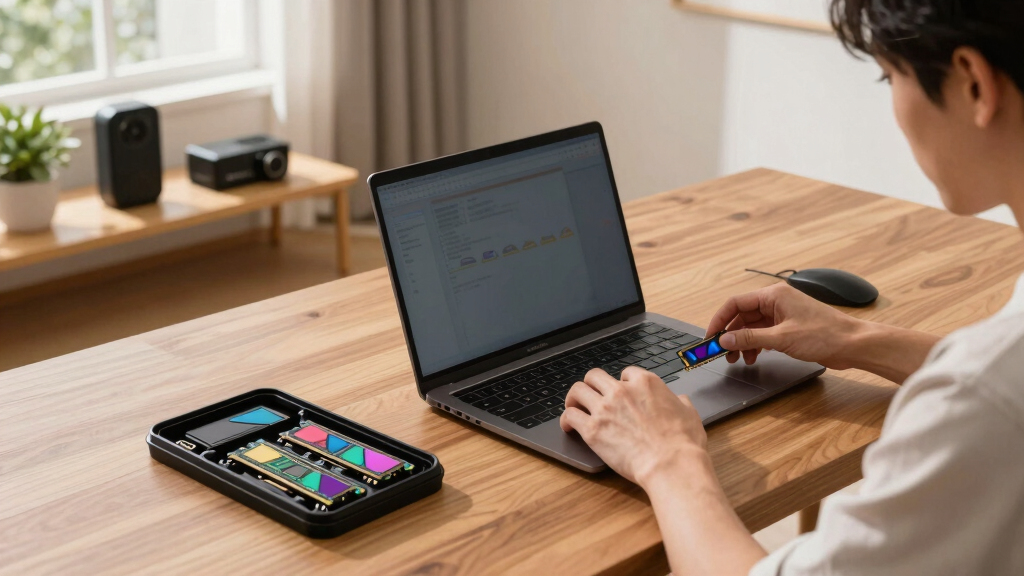
Why your RAM bill doubled
“Doubled” is the polite version — consumer DRAM is running 3–6× its 2024 lows. The boom-bust cycle that always brought cheap RAM back isn’t coming this time, because the factories that make your RAM now make something far more profitable instead.
HBM
This is the quiet tax on the whole AI era. Relief isn’t forecast before 2028, and even then prices may settle 30–50% above pre-crisis levels. Buy what you genuinely need now; don’t panic-buy capacity you won’t use. You can’t out-wait the fab math — but, as this series will show, you can shrink what you need. Next: HBM Ate the Fab.
Implications of the Memory Capacity Shift on Consumers
The ongoing reallocation of DRAM manufacturing toward AI applications signifies a permanent shift in the supply landscape, leading to sustained high prices for consumer memory. This affects PC builders, gamers, and general consumers, who face higher costs and limited availability. The trend also indicates a broader industry prioritizing high-margin AI hardware over traditional consumer electronics, potentially reshaping the market for years to come.
As an affiliate, we earn on qualifying purchases.
2026 Memory Market Dynamics and Past Shortages
Historically, memory shortages eased when manufacturers expanded capacity, flooding the market and reducing prices. However, in 2026, the pattern has changed. The dominant producers — Samsung, SK Hynix, and Micron — are managing scarcity intentionally, focusing on high-margin AI memory rather than increasing supply for consumers. The capacity expansion timelines have extended, with new fabs not expected to impact prices until 2027 or later. This strategic shift is compounded by the physics of wafer efficiency and the high profitability of HBM, which consumes more wafer area per bit than standard DDR5.
“We are focusing on enterprise AI markets, which are driving the current capacity reallocation.”
— Micron representative
As an affiliate, we earn on qualifying purchases.
Unresolved Questions About Market Collusion and Future Supply
While current prices are attributed to genuine capacity reallocation driven by AI demand, the extent of any ongoing or past collusion among the dominant DRAM manufacturers remains unclear. The industry’s structural market concentration could influence future pricing strategies, but no antitrust actions are currently reported. The precise timeline for capacity expansion and the potential for alternative solutions are also uncertain.
As an affiliate, we earn on qualifying purchases.
Upcoming Capacity Expansions and Market Adjustments
Manufacturers are expected to begin ramping up new fabs in 2027–2028, which may eventually ease shortages. In the meantime, consumers and PC builders should anticipate continued high prices and limited supply. Industry analysts suggest monitoring contract terms and supply chain developments closely, as well as potential impacts from new AI chip designs that could further influence demand and capacity allocation.
As an affiliate, we earn on qualifying purchases.
Key Questions
Will DRAM prices ever return to 2024 levels?
It is uncertain. The current industry shift toward AI memory and delayed capacity expansions suggest prices may stay elevated for several years, possibly until new fabs come online around 2027–2028.
Why are AI memory modules more profitable than consumer RAM?
High Bandwidth Memory (HBM) is a specialized, stacked DRAM used in AI accelerators. It sells for $60–$100 per module, compared to $5–$10 for standard DDR5, because of its complexity and performance benefits, making it far more profitable per wafer.
Are the memory shortages caused by collusion among manufacturers?
No. Current explanations attribute the shortages to strategic capacity management focused on high-margin AI products. Although these companies previously faced collusion fines, there is no evidence of collusion influencing current market prices.
How are major PC manufacturers responding to the price hikes?
Many are raising prices, limiting supply, or shifting focus away from consumer memory. For example, Apple has increased prices on Macs and iPads, and Lenovo and Dell are planning higher costs for their products.
Source: ThorstenMeyerAI.com
Fall Picks
fall essentials
As an affiliate, we earn on qualifying purchases.