
TL;DR
Firefox has integrated support for Vulkan Video decoding in its upcoming version 153, marking a significant step toward cross-platform GPU-accelerated video playback. The feature is expected to be available in the release scheduled for July 21.
Firefox is set to support Vulkan Video decoding in its upcoming version 153, scheduled for release on July 21, 2023, marking a major enhancement for GPU-accelerated video playback across platforms.
The support for Vulkan Video in Firefox has been developed through contributions from NVIDIA engineer Tymur Boiko and Red Hat’s Martin Stransky. This feature aims to provide a cross-platform alternative to existing Linux video acceleration APIs, such as VA-API, which have limited support across different drivers and hardware. The support was confirmed after a bug report opened three months ago was closed following the completion of development work. Firefox 153, which is expected to be released on July 21, will include this new decoding capability, pending no last-minute issues.
Vulkan Video is a relatively new API designed to enable hardware-accelerated video decoding and encoding using Vulkan, a cross-platform graphics API. Its adoption in Firefox represents an effort to standardize GPU-accelerated video processing across operating systems, especially benefiting Linux users who have historically faced fragmented support with VA-API and other APIs. The development work was part of ongoing Firefox efforts to improve media performance and hardware utilization.
Why It Matters
This development matters because it could significantly improve video playback performance and efficiency in Firefox, especially on Linux systems. GPU-accelerated decoding reduces CPU load, improves battery life on laptops, and can enable higher-resolution video streaming without stuttering. The cross-platform nature of Vulkan Video also means broader hardware support and potentially better integration with future GPU architectures, benefiting a wide range of users.
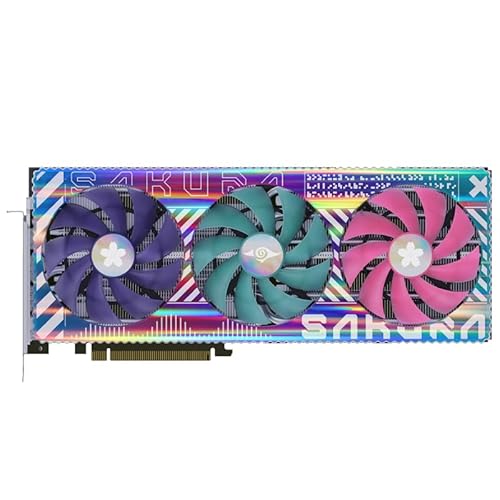
Yeston AMD Radeon RX 7900XTX 24GB GDDR6 384bit Gaming Graphics Card Desktop Computer PC GPU with HDMI+DP*3
Core frequency: 2270-2500MHz (gaming/overclocking), dual BIOS with same frequency Video memory speed: 20Gbps Video memory capacity and specifications:…
As an affiliate, we earn on qualifying purchases.
As an affiliate, we earn on qualifying purchases.
Background
Until now, Firefox on Linux has primarily relied on VA-API for hardware video decoding, which is not universally supported across all drivers and hardware configurations. NVIDIA has developed VA-API layers atop NVDEC interfaces to enable GPU acceleration, but this approach has limitations. The introduction of Vulkan Video support in Firefox aligns with industry trends toward Vulkan adoption, offering a more standardized and potentially more efficient API for GPU video processing. The feature’s development was prompted by recent activity in Firefox’s media stack and cross-industry interest in Vulkan as a unified API for graphics and compute tasks.
“The support for Vulkan Video in Firefox represents a significant step toward cross-platform GPU-accelerated video decoding, especially for Linux users.”
— an anonymous researcher

Zowietek 4K Video Encoder/Decoder, ZowieBox, SRT/RTMP(S)/RTSP, Live Streaming, Pass-Through Video Capture, HDMI Extender, UVC Converter, HDMI only
HDMI to SRT/RTMP(S)/RTSP Encoder: This converter transforms HDMI signals to SRT, RTMP, or RTSP formats, enabling live content…
As an affiliate, we earn on qualifying purchases.
As an affiliate, we earn on qualifying purchases.
What Remains Unclear
It is not yet confirmed whether Vulkan Video support will be enabled by default in Firefox 153 or if additional testing and optimization are planned before the final release. Details about specific hardware compatibility and performance benchmarks are still emerging. Moreover, it remains to be seen how widely adopted Vulkan Video will become in other browsers and media applications.
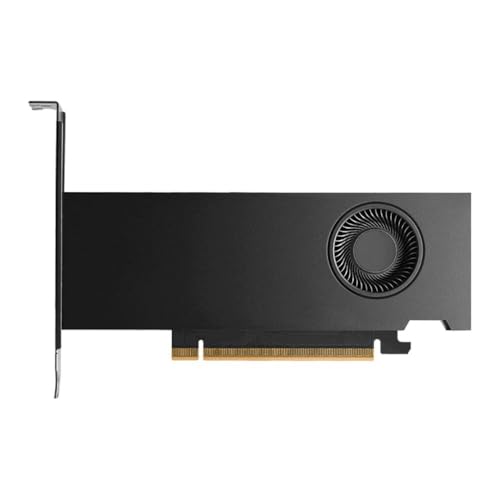
PNY NVIDIA RTX PRO 2000 Graphics Card – 16 GB GDDR7 – Full-Height/Low-Profile – 128 bit Bus Width – PCI Express 5.0 x8-4 x Mini DisplayPort
API Supported: DirectX 12 for advanced graphics rendering and gaming performance
As an affiliate, we earn on qualifying purchases.
As an affiliate, we earn on qualifying purchases.
What’s Next
Following the release of Firefox 153, developers and users will evaluate the performance and stability of Vulkan Video decoding. Further updates may include expanded hardware support, performance improvements, and potential integration with other media features. Mozilla is likely to monitor user feedback and address any issues that arise post-launch.
hardware accelerated video playback
As an affiliate, we earn on qualifying purchases.
As an affiliate, we earn on qualifying purchases.
Key Questions
What is Vulkan Video?
Vulkan Video is an API designed to enable hardware-accelerated video decoding and encoding using the Vulkan graphics API, providing a cross-platform standard for GPU-accelerated media processing.
How will Vulkan Video support improve Firefox?
It will enable more efficient, GPU-accelerated video playback, reducing CPU load, improving battery life, and supporting higher-resolution videos, especially on Linux systems.
Is Vulkan Video support available in all operating systems?
Support is expected to be available in the upcoming Firefox 153 release, with initial focus on Linux. Windows and macOS support will depend on subsequent updates and hardware compatibility.
Will this feature require additional configuration?
Details are still emerging, but initial support suggests it may work out-of-the-box on supported hardware, with possible options for user configuration or enabling in settings.
Source: Hacker News