
TL;DR

Get the latest gadgets delivered free — and shop member deals
- Fast, free delivery on millions of items
- Access to Prime Big Deal Days deals on October 6–7
- Prime Video, Amazon Music and more included
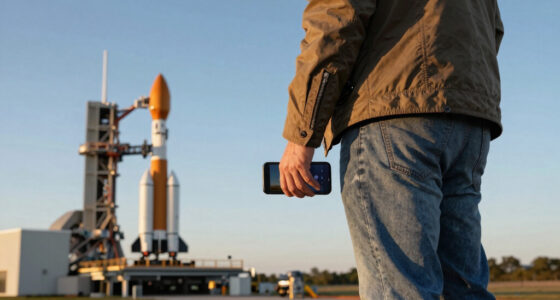
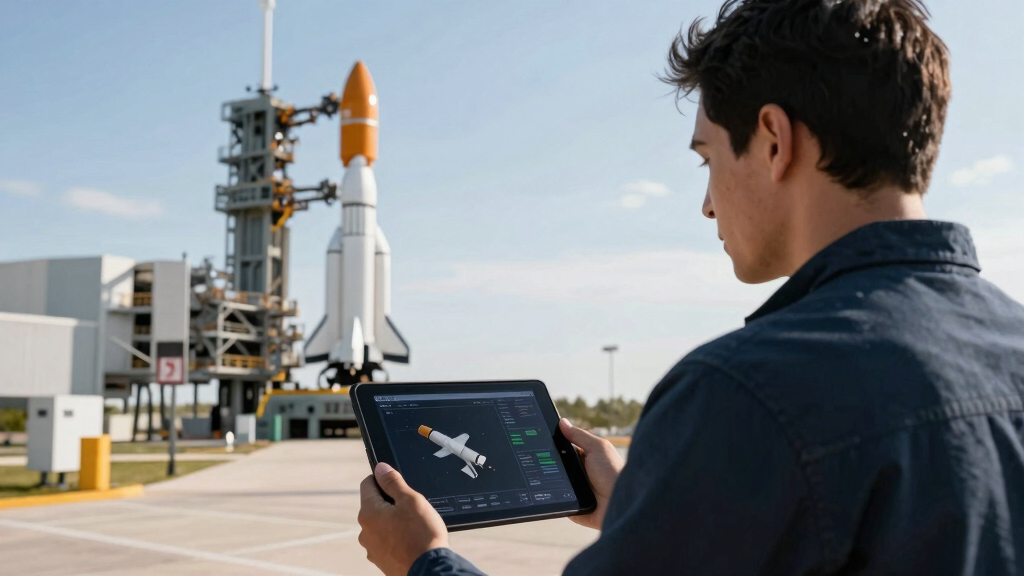
United Launch Alliance (ULA) has conducted the final launch of its Atlas 5 rocket, which supported Amazon’s Leo broadband satellite project. The launch is a significant milestone in ULA’s history and Amazon’s satellite deployment efforts.
United Launch Alliance (ULA) successfully launched its final Atlas 5 rocket today, supporting Amazon’s Leo broadband satellite constellation. This mission concludes a decades-long series of Atlas 5 launches and marks a key milestone for both ULA and Amazon’s satellite ambitions.
The launch took place at Cape Canaveral Space Force Station and was confirmed by ULA officials. The Atlas 5 rocket carried Amazon’s Leo satellites, part of the company’s efforts to provide global broadband internet coverage. This mission is the last scheduled Atlas 5 launch, as ULA transitions to newer rocket families like Vulcan.
Amazon’s Leo constellation aims to deploy over 3,000 small satellites to deliver high-speed internet worldwide. The successful launch underscores Amazon’s commitment to expanding its satellite network, with the Atlas 5 serving as a reliable launch vehicle for critical payloads.
Implications of ULA’s Final Atlas 5 Launch
This launch is significant because it marks the end of the Atlas 5’s operational history, a workhorse rocket that has supported numerous high-profile missions since its debut in 2002. For Amazon, the successful deployment of Leo satellites advances its plans to compete in the global broadband market. For ULA, the transition to newer rockets signifies a shift in launch industry dynamics, emphasizing innovation and modernization.
As an affiliate, we earn on qualifying purchases.
History and Future of Atlas 5 and Amazon Leo
The Atlas 5 has been a cornerstone of ULA’s fleet, supporting government and commercial payloads for over two decades. Its last launch today comes after a series of successful missions, including national security, science, and commercial satellites. Amazon Leo, formerly known as Project Kuiper, was announced in 2019 as part of Amazon’s effort to provide broadband internet globally. The satellite deployment supports Amazon’s broader strategy to expand its services and compete with existing satellite internet providers like SpaceX’s Starlink.
“Today’s launch marks the end of an era for ULA and the beginning of a new chapter with our next-generation rockets.”
— Tory Bruno, ULA CEO
As an affiliate, we earn on qualifying purchases.
Unconfirmed Details About Future Launches and Satellite Deployment
It is not yet clear when Amazon will begin launching additional Leo satellites using ULA’s newer rockets like Vulcan. Additionally, the full operational status and coverage capabilities of the Leo constellation are still being finalized, and regulatory approvals are ongoing.
As an affiliate, we earn on qualifying purchases.
Upcoming Milestones for ULA and Amazon Satellite Operations
Next steps include Amazon completing the deployment of its Leo satellites and beginning initial service tests. ULA will focus on launching future missions with Vulcan and other new rockets. Industry analysts expect Amazon to accelerate satellite deployment over the next year, contingent on regulatory and technical developments.
As an affiliate, we earn on qualifying purchases.
Key Questions
Why is this launch considered the final Atlas 5 mission?
ULA announced that this was the last scheduled Atlas 5 launch as the company transitions to newer launch vehicles like Vulcan, which are designed to be more cost-effective and versatile.
How many satellites are planned for Amazon Leo’s constellation?
Amazon plans to deploy over 3,000 satellites to provide global broadband coverage, with the first batch launched using Atlas 5 today.
What does this mean for ULA’s future launches?
ULA will now focus on launching satellites with its Vulcan rocket, which is expected to replace the Atlas 5 for most missions, aiming for increased efficiency and capacity.
When will Amazon Leo satellites begin commercial service?
Deployment is ongoing, with initial testing expected within the next year. Full commercial service is anticipated once a significant portion of the constellation is operational, likely in 2025 or later.
Source: google-trends
Halloween Picks
halloween
As an affiliate, we earn on qualifying purchases.